Tag: All Models

  • Subaru Family Camping Setup

    Disclosure: This article contains affiliate links. I may earn a commission at no extra cost to you.

    Our Subaru Outback Car Camping Setup guide covers sleeping inside the vehicle — a setup that works well for one or two people. Once kids are involved, that changes: three or four people generally don’t fit inside any of the three models comfortably, so most families end up using a tent for sleeping and the Subaru as the gear hauler and basecamp support instead. That’s a different setup with different priorities.

    Quick Picks

    • Best family tent: CORE Instant Cabin Tent — sets up fast, which matters more with kids waiting than tent quality alone.
    • Best cooler: Soft-sided cooler — packs around other gear better than a rigid cooler once the trunk fills up with a family’s worth of stuff.
    • Best for gear separation: Collapsible storage bins — one per person or per category keeps a family’s gear from turning into one undifferentiated pile.
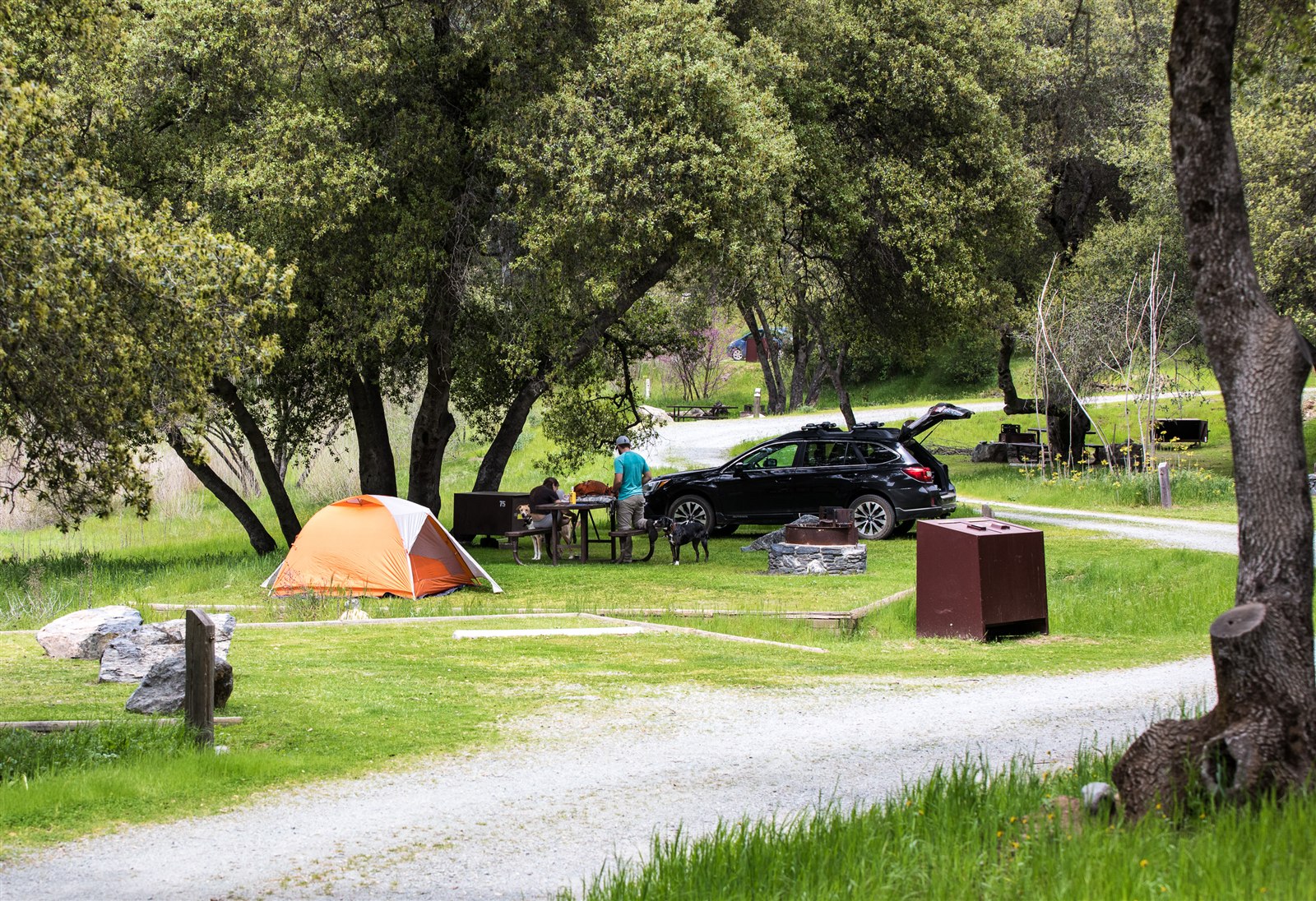
    Subaru Outback parked at a campsite with a tent and dogs nearby

    Why Most Families Need a Tent, Not Just the Vehicle

    Sleeping inside the vehicle works because it’s compact — exactly the quality that makes it a poor fit for a family. Once you’re past two people, the math stops working: there isn’t enough flat sleeping surface in any of the three models, even with seats folded. A tent solves this cleanly and also separates “sleeping space” from “gear space,” which matters more with a family’s volume of stuff than it does for a solo trip. See our Roof Tent vs Ground Tent for Subaru Owners guide for how to choose between the two.

    Keeping Kids’ Gear Separate From Adult Gear

    A family’s camping gear is really several smaller kits — one per kid, plus shared gear, plus adult gear — and mixing them into one pile is where most on-site frustration comes from. A dedicated bin per person or per category (clothes, sleep gear, toys) means anyone can grab exactly what they need without unpacking everything else first.

    Cooking and Eating for a Group vs Solo Cooking

    Solo or two-person cooking is forgiving — a single pot and a cooler cover most of it. Feeding a family means more food volume, more dishes, and more actual cook time, which usually means a dedicated camp kitchen setup (stove, prep space, a real cooler) rather than the minimal single-burner approach that works fine for a solo trip. Budget more setup time for this than you’d expect on the first family trip — it gets faster with repetition.

    Setting Up a Basecamp the Subaru Can Support

    With the vehicle freed from being a sleeping space, it becomes a genuinely useful basecamp anchor instead — parked with the hatch as covered shade or shelter, gear staged in the cargo area within reach, and the roof rack available for a supplemental awning if the site doesn’t offer natural shade. See our Best Awning for Subaru guide if that’s part of your setup.

    What Changes Across Outback, Forester, and Crosstrek for Family Camping

    Since the vehicle is now a gear hauler rather than a bedroom, the differences that mattered for sleeping-in-the-car camping matter less here. The Outback’s longer floor is still the most useful for staging a family’s volume of gear before it gets distributed to the tent. The Forester’s height makes accessing stacked bins from the hatch easier without crouching. The Crosstrek can support a smaller family, but its limited volume means less margin for the “bring extra just in case” gear most family trips accumulate.

    Common Mistakes

    • Trying to sleep a family of four inside the vehicle. It doesn’t work comfortably past two people — plan for a tent from the start.
    • Mixing everyone’s gear into one pile. Slows down every single task at the campsite, not just setup.
    • Underestimating cook time for a group. A single-burner solo setup isn’t enough once you’re feeding more than two people.

    FAQs

    Can a family sleep inside a Subaru while camping?
    Comfortably, generally not past two people. Most families use a tent for sleeping and the vehicle for gear and basecamp support.

    Should we get a roof tent or a ground tent for family camping?
    Depends on setup speed, budget, and how often you’ll use it — see our full Roof Tent vs Ground Tent breakdown.

    What’s the biggest difference between solo car camping and family camping?
    The vehicle’s role changes — from sleeping space to gear hauler and basecamp support — which changes almost everything else about the setup.

    Final Thoughts

    Family camping isn’t a bigger version of solo car camping — it’s a different setup built around a tent and a basecamp instead of sleeping inside the vehicle. Once that shift is made, the actual gear and organization choices get a lot more straightforward.

    Related Guides

  • How to Pack a Subaru for a Family Vacation

    Disclosure: This article contains affiliate links. I may earn a commission at no extra cost to you.

    Having the right gear and packing it correctly are two different problems. Most family packing frustration isn’t a missing product — it’s the order things go in. Load the wrong item first and everything after it either gets crushed, buried, or has to come back out. This is about sequence, not shopping.

    Pack Heavy, Rarely-Needed Items First

    Whatever you won’t touch until you arrive — the cooler that’s staying sealed, a suitcase that isn’t being opened mid-drive — goes in first, against the back seats. It’s the heaviest, least-accessed layer, and putting it in last means it ends up on top of things you actually need during the trip.

    Keep Kid Essentials Accessible, Not Buried

    Snacks, a change of clothes, entertainment, and anything else that gets requested mid-drive should go in last, closest to the hatch or within reach of the back seat — not underneath the heavy layer. A backseat organizer solves this more reliably than trying to remember where you packed something.

    Load Passengers Last, Not First

    Getting everyone buckled in before the trunk is actually finished is one of the most common causes of re-packing mid-departure — something doesn’t fit, and now it has to get shuffled around while people are already waiting in their seats. Finish loading and confirm everything fits before anyone gets in.

    Leave Room You’ll Actually Use on the Way Home

    Souvenirs, dirty laundry, and gear that doesn’t pack down the same way it did on the way there all take up more room on the return trip. Packing the car to its absolute limit on the way out often means something doesn’t fit on the way back — leaving a little slack is worth more than maximizing outbound capacity.

    What This Looks Like Differently Across the Three Models

    The Outback’s long floor rewards packing back-to-front in layers, since there’s enough length to actually stack a heavy layer and an accessible layer without them competing for the same space. The Forester’s extra height rewards vertical stacking — heavy items on the floor, lighter items stacked above rather than spread out. The Crosstrek needs the most disciplined sequence of the three: there’s little room to fix a packing mistake mid-trip, so getting the order right the first time matters more than in either of the other two models.

    Common Mistakes

    • Packing in the order things get carried out of the house. That’s rarely the order you actually need things in the car — plan the load order separately from the pack order.
    • Burying kid essentials under heavier luggage. Leads to full re-packs mid-trip when something is needed and can’t be reached.
    • Packing to 100% capacity on the way out. Leaves no room for what accumulates on the way home.

    FAQs

    What should go in the car first?
    The heaviest, least-needed items — things that won’t be touched again until you arrive.

    How do I keep kids’ stuff from getting buried?
    Pack it last, closest to reach, or use a dedicated backseat organizer so it isn’t competing for space with luggage at all.

    Should I pack the car before or after everyone gets in?
    Before. Finishing the trunk first avoids the mid-departure re-pack that happens when something doesn’t fit with everyone already seated.

    Does the packing order really change between Outback, Forester, and Crosstrek?
    The principle is the same across all three, but the margin for error is smallest in the Crosstrek — its tighter cargo area punishes a wrong packing order more than the Outback’s longer floor does.

    Gear Worth Considering

    Three well-reviewed organizers. We chose them for their ratings and review counts.

    See Interior Organizers for Subaru for more.

    Final Thoughts

    Most family packing problems aren’t a gear problem — they’re an order-of-operations problem. Heavy and rarely-needed items first, kid essentials last, passengers only once the trunk is actually finished, and a little slack left for the trip home. That sequence solves more than any organizer will on its own.

    Related Guides

  • Best Weekend Trip Setup for a Subaru

    Disclosure: This article contains affiliate links. I may earn a commission at no extra cost to you.

    A weekend trip doesn’t need a road-trip setup — it needs speed. Two or three days of gear is a fraction of what a week-long trip requires, and the biggest mistake most people make is over-preparing: dragging out packing cubes, cargo organizers, and a full system for a load that would fit in two bags. The goal for a short trip is minimizing the time spent packing and unpacking, not maximizing what the vehicle can carry.

    Why Weekend Trips Don’t Need a Full Road-Trip Setup

    A full road-trip setup earns its complexity over several days — the extra organization pays for itself because you’re living out of the vehicle for a while. Over two or three days, that same setup is mostly overhead: time spent organizing gear you’ll only touch once or twice before you’re already unpacking it again at home. For a weekend trip, simple beats optimized.

    What Actually Goes in the Car for 2-3 Days

    One soft duffel bag per traveler is usually enough — soft bags compress into whatever space is left rather than claiming a fixed footprint the way rigid luggage does. A single day bag or backpack for anything you’ll want without digging through the main bag (phone charger, snacks, a jacket) covers the rest. That’s genuinely most of what a weekend trip needs.

    Skip These for a Weekend Trip

    • A full packing-cube system. Genuinely useful for a week or longer; overkill for sorting two days of clothes.
    • A roof cargo box. If it doesn’t fit in the trunk for a weekend, the trip probably needs re-planning, not more roof storage.
    • Multiple coolers or bins. One soft-sided cooler covers most weekend food/drink needs without eating into passenger space.

    The One Thing Worth Setting Up Even for a Short Trip

    A grab-and-go bag that lives in the car (or by the door, ready to load) with the basics already inside — phone charger, a phone mount, a reusable water bottle — removes the “what am I forgetting” scramble that eats up more time on a short trip than actual packing does. It’s the one piece of weekend-trip prep that’s worth doing once and reusing every time, rather than rebuilding it before every trip.

    Common Mistakes

    • Treating a weekend trip like a road trip. More organization than the trip actually needs just adds packing time without adding real benefit.
    • Packing rigid luggage for a short trip. Soft bags compress better and take up less committed space for a load this size.
    • Rebuilding the same grab-and-go kit every single trip. Set it up once and leave it packed between trips.

    FAQs

    Do I need a roof box for a weekend trip?
    Almost never. If a 2-3 day trip’s gear doesn’t fit in the trunk, the issue is usually what’s being packed, not a lack of cargo space.

    What’s the fastest way to pack for a weekend trip?
    One soft bag per person plus a shared day bag for essentials — resist the urge to bring the full road-trip organization system for a short trip.

    Is it worth keeping a permanent grab-and-go bag in the car?
    Yes — it’s the single highest-leverage thing on this list, since it removes the pre-trip scramble every single time instead of just once.

    Final Thoughts

    Weekend trips reward simplicity, not optimization. A soft bag, a day bag, and a grab-and-go kit that stays packed between trips covers almost everyone’s actual needs — save the full organizational system for the trips long enough to need it.

    Related Guides

  • Interior Storage Ideas for Subaru

    Disclosure: This article contains affiliate links. I may earn a commission at no extra cost to you.

    Not every storage problem in a Subaru needs a purchased organizer. Before spending money, it’s worth knowing which problems can be solved with stuff already sitting around the house — and which ones genuinely need a dedicated product. This is a list of ideas, not a shopping list. If you’d rather skip straight to buying the fix, see our Best Interior Organizers for Subaru guide instead.

    Reusable Bags Solve More Than People Expect

    A few canvas totes or reusable grocery bags make surprisingly effective trunk dividers. Set two or three side by side in the cargo area and loose items — shoes, tools, sports gear — stay grouped instead of sliding around loose. It costs nothing if you already have them, and it’s the fastest fix for the single most common trunk complaint: stuff rolling around every time you brake or turn.

    A Tension Rod Turns the Trunk Into Actual Compartments

    A cheap spring-loaded tension rod (the kind sold for closets) wedged across the narrower part of the cargo area creates a real divider — bags and bins on one side stay separated from groceries or gear on the other. It costs a few dollars, takes thirty seconds to install, and does roughly the same job as a dedicated cargo divider that costs 10x more.

    Seat-Back Pockets Aren’t Just for Kids

    An old over-the-door shoe organizer or hanging magazine rack, strapped to the back of a front seat, works as a functional pocket organizer for anything that needs to be within reach — napkins, chargers, a first aid kit, sunscreen. It’s not as clean-looking as a purpose-built seatback organizer, but it costs nothing and holds more.

    A Cardboard Box Beats No System at All

    Before buying a collapsible storage bin, a sturdy cardboard box does the same job for testing whether a dedicated organizer is actually worth it. If it turns out you use the box every week, that’s the signal to upgrade to something more durable. If it sits empty, you just saved the money.

    Know When DIY Stops Being Worth It

    DIY fixes have real limits. Canvas bags and cardboard boxes don’t secure a load on rough roads or hard braking the way a strapped-down bin does, and they wear out faster than purpose-built products. Once a DIY fix is something you’re re-doing every week instead of a one-time setup, that’s the actual signal to upgrade — not a fixed timeline, just whether the free version is still holding up. See our Best Interior Organizers for Subaru guide when you get there.

    Common Mistakes

    • Buying an organizer before trying a free fix first. Most storage problems are cheaper to solve than people assume.
    • Using bins or boxes that aren’t secured. An unsecured container becomes a real hazard under hard braking — wedge it in or strap it down.
    • Overcomplicating a problem a single tension rod solves. Not every storage problem needs a multi-part system.

    FAQs

    Do I need to buy organizers, or can I DIY it?
    For a lot of common problems, DIY works fine — reusable bags, a tension rod, or a spare box solve most of the basic sliding-cargo complaint. Dedicated organizers earn their cost once a DIY fix needs constant re-doing.

    What’s the cheapest way to stop items from sliding in the trunk?
    A tension rod wedged across the cargo area, or two reusable bags set side by side as makeshift dividers — both cost only a few dollars.

    When should I upgrade from DIY to a real organizer?
    When the free fix stops holding up — if you’re re-securing a load every trip or a cardboard box is falling apart, that’s the point a dedicated product actually pays for itself.

    Gear Worth Considering

    Three well-reviewed organizers. We chose them for their ratings and review counts.

    See Interior Organizers for Subaru for more.

    Final Thoughts

    Most interior storage problems in a Subaru don’t need a purchase to start — they need five minutes and something already sitting in a closet. Try the free version first. If it holds up, you’re done. If it doesn’t, at least you’ll know exactly what to look for in a dedicated product instead of guessing.

    Related Guides

  • Subaru Daily Driver Setup

    Disclosure: This article contains affiliate links. I may earn a commission at no extra cost to you.

    Road trip and camping setups get most of the attention on this site, but the truth is most Subaru owners spend far more hours commuting, running errands, and doing school pickups than they do camping. A daily driver setup solves a different problem than a road-trip setup — it’s not about maximizing cargo capacity for one big trip, it’s about making the same 20-minute drive frictionless five days a week.

    The gear that actually earns its keep in daily use looks different too: less about fitting everything in once, more about not having to think about where anything is.

    Quick Picks

    Daily Driving Has Different Priorities Than Road Trips

    A road-trip setup gets packed once and used for a few days. A daily driver setup gets used, and re-used, dozens of times a week — which means the priorities flip. Quick access matters more than maximum capacity. Durability matters more than clever packing. And anything that takes more than a few seconds to grab or put away tends to stop getting used within a month, no matter how well-designed it is.

    That’s the main reason road-trip organizers (packing cubes, large duffels, roof boxes) don’t work well as daily-use solutions — they’re built for one-time efficiency, not repeated grab-and-go access.

    The Console and Seat Gaps Are Where Daily Clutter Actually Happens

    Most daily clutter isn’t cargo — it’s small stuff. Loose change, a parking pass, sunglasses, a phone charger, hand sanitizer. None of it is worth digging through a bag for, so it ends up loose in the console or wedged in the seat gap, which is exactly where it becomes annoying (and, with the seat gap specifically, exactly where it becomes a real hazard if it ends up under a brake pedal or seat track). A console organizer and a seat gap filler solve both problems for under $30 combined, and they’re a one-time install rather than something you manage daily.

    Backseat Organization Matters More With Kids or Regular Passengers

    If the back seat sees regular passengers — kids, carpool, a dog — a hanging backseat organizer earns its keep fast. It’s less about storage capacity and more about containment: snack wrappers, toys, and loose items stay in one place instead of migrating under seats, which cuts down cleanup time more than almost any other single purchase on this list.

    Keep the Trunk Ready for the Next Grocery Run, Not Just the Next Road Trip

    A trunk that’s optimized for road trips (empty and ready to be packed) isn’t the same as a trunk that’s optimized for daily use (ready for whatever shows up — groceries, a gym bag, a returned package). A trunk organizer keeps grocery bags upright so they don’t tip over on the drive home, and gives everyday items a fixed spot instead of letting them slide around the cargo area. See our Subaru Cargo Area Setup by Model guide for more on this specifically, or the full Best Interior Organizers for Subaru roundup for the complete product lineup.

    Floor Mats Matter More for Daily Wear Than Anyone Expects

    A vehicle used a few times a month can get away with factory carpet mats. A daily driver can’t — daily mud, road salt, coffee spills, and kid shoes add up fast, and factory mats aren’t built to take it. This is one of the few upgrades where “daily use” is the entire argument for buying it; see our Best Floor Mats for Subaru Outback guide for specific picks.

    What’s Different Across Outback, Forester, and Crosstrek for Daily Use

    Cargo space isn’t the deciding factor for daily driving the way it is for road trips — access and visibility matter more. The Outback’s lower step-in height makes loading kids and gear genuinely easier multiple times a day, where it’s a minor convenience on an occasional trip. The Forester’s tall greenhouse and upright seating position help the most in daily stop-and-go traffic and tight parking lots, where sightlines matter more than they do cruising on a highway. The Crosstrek’s smaller footprint, which is a real limitation for cargo-heavy trips, flips into an advantage for daily driving — it’s the easiest of the three to park and maneuver in the tight spaces that make up most of a normal week.

    Common Mistakes

    • Buying road-trip organizers for daily use. Packing cubes and large duffels are built for one-time efficiency, not repeated quick access — they tend to end up unused in the trunk within a few weeks.
    • Skipping floor mats because “it’s just a commute.” Daily wear adds up faster than trip wear — this is one of the few upgrades where frequency of use is the actual argument for buying it.
    • Ignoring console and seat-gap clutter until it’s a real problem. These are cheap, one-time fixes that are easy to put off indefinitely.

    What Actually Works

    The daily driver setups that actually stick share one trait: everything has a fixed spot that takes less time to use than it would to skip. A console organizer beats a loose cupholder because it’s not slower to use — it’s the same motion, just contained. That’s the real filter for whether a daily-use product is worth buying: if it adds a step, it stops getting used within a month, no matter how well-designed it is.

    FAQs

    What’s the difference between a daily driver setup and a road trip setup?
    A daily setup prioritizes quick, repeated access to small items. A road trip setup prioritizes maximum packed capacity for a single trip. The gear for each doesn’t overlap much.

    Do I need floor mats if I don’t off-road?
    Yes — daily wear from mud, salt, spills, and regular foot traffic adds up faster in a daily driver than in a vehicle used occasionally.

    What’s the single best upgrade for daily Subaru use?
    For most people, a console organizer or seat gap filler — cheap, one-time installs that solve a clutter problem you deal with every single drive.

    Does the model I have change what I need for daily use?
    A little — the Outback’s lower step-in height helps with frequent loading, the Forester’s visibility helps in traffic and parking lots, and the Crosstrek’s smaller footprint is an advantage for daily parking rather than the limitation it can be on cargo-heavy trips.

    Is a trunk organizer worth it for someone who doesn’t camp or road trip much?
    Yes — trunk organizers earn their keep from grocery runs and everyday errands more than from trips, since that’s what most people actually use their trunk for most weeks.

    Final Thoughts

    Daily driver setups don’t need to be complicated — they need to be fast. The goal isn’t maximum capacity, it’s removing the small friction points that show up every single drive: loose change in the console, snacks under the seat, a trunk that’s never quite ready for groceries. A handful of cheap, one-time fixes solves most of it.

    Related Guides