Disclosure: This article contains affiliate links. I may earn a commission at no extra cost to you.
Family road trip setups feel spacious while packing, but space disappears fast once passengers, bags, snacks, and everyday items are all inside. For most Crosstrek, Forester, and Outback owners, the challenge isn’t maximizing storage — it’s keeping the vehicle comfortable, organized, and easy to manage over a long drive.
In real use, simpler setups work better than complicated organization systems. Open cabin space, flexible storage, and easy access to essentials matter more than fitting the maximum amount of gear.
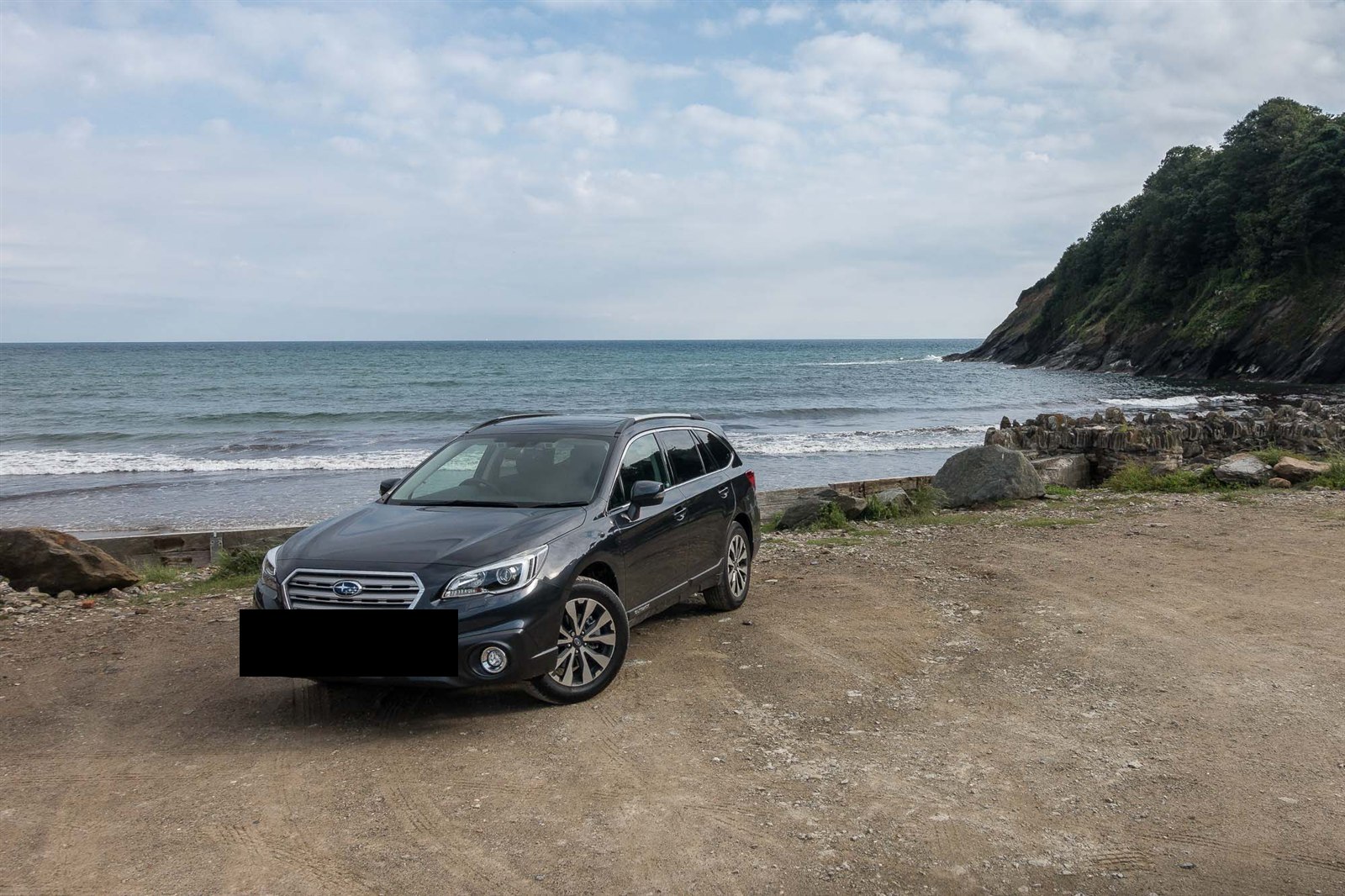

What Actually Matters
Passenger comfort matters more than maximizing storage — cramped seating, poor airflow, and clutter make long drives exhausting fast, especially with kids. Keeping snacks, chargers, wipes, and water within reach makes a bigger difference than any organization system, since buried essentials mean constant unpacking at every stop. Backseat organizers, seat gap organizers, and a small hanging trash can handle most of this without overcrowding the cabin.
A setup that works for daily driving can still fall apart on a long trip once passengers, food, cables, and bags start competing for the same space. Road trip setups hold up better when they stay simple and easy to reorganize on the fly, rather than rigid and fully packed from the start.
Cargo Space vs Passenger Space
Trunk storage works better for larger gear and anything you don’t need constantly during the drive. Back seat storage keeps everyday items reachable, but too much of it around passengers makes the cabin feel cramped fast. The best setups keep frequently used items — water, snacks, chargers — accessible without filling every open space around passengers.
| Setup Type | Passenger Comfort | Accessibility | Best For |
|---|---|---|---|
| Back Seat Storage | Low-Medium | Best | Everyday items, quick access |
| Trunk Storage | High | Medium | Most family road trips |
| Roof Storage | High | Low | Longer trips, bulky gear |
| Mixed Storage | Best overall | High | Most families |
Interior Organization
Front seats become the main access point on a long drive, so keep smaller everyday items up there rather than digging through cargo. Rear passenger areas clutter fast with snacks, toys, and chargers — grouping items and keeping them easy to reach helps more than any elaborate system. Seatback organizers work well for chargers, snacks, and travel items that need to stay within reach.
In the trunk, simple collapsible organizers, soft duffel bags, and packing cubes stay easier to reorganize at stops than oversized bins. Zoned packing — separating kids’ items, food, emergency supplies, and general gear — keeps things predictable; a compact first aid kit and a few small utility pouches cover most of it.
Roof Storage vs Interior Storage
Roof storage helps once the cabin starts feeling crowded on longer trips — moving bulky, infrequently used gear outside frees up passenger space. The tradeoff is real: loading takes more effort, it adds wind noise, and it costs a bit of fuel economy at highway speed. It’s worth it when it noticeably improves interior comfort, not just when it adds capacity.
A low-profile roof cargo box works better for family travel — it protects gear from weather and keeps the setup cleaner. A roof basket is more flexible for bulky or dirty gear but needs more strapping and weather protection.
Subaru Model Differences for Family Road Trips
All three models can handle a family road trip, but passenger space and rear-seat comfort scale differently, which matters more the longer the drive gets.
| Model | Passenger Space | Rear Seat Comfort | Best For |
|---|---|---|---|
| Outback | Most generous | Best legroom for longer drives | Longer trips, more passengers or gear |
| Forester | Tall, upright cabin | Easiest in/out, good headroom | Families with kids in car seats |
| Crosstrek | Most compact | Tightest for adult passengers | Shorter trips, smaller families |
Packing Strategies
Soft duffel bags beat hard suitcases for road trips — they compress into gaps and stack better than rigid corners. Packing cubes keep everyone’s stuff separated so mid-trip repacking doesn’t turn into unpacking the whole cargo area, and collapsible storage bins flatten down for the drive home instead of taking up permanent space.
For food and drinks, a soft-sided cooler packs more efficiently than a hard cooler and fits into odd-shaped gaps. Traveling with a dog adds a few more essentials: a dog seat cover, a collapsible bowl, and a portable water bottle for rest stops.
Common Mistakes
- Overpacking the cargo area. Filling every inch leaves no room for last-minute additions or shifting loads, and makes access at rest stops harder than it needs to be.
- Ignoring weight distribution. Heavy items piled toward the back change handling. Keep the heaviest gear low and centered.
- Skipping a test-pack. Loading the car for the first time on departure morning is when gaps and gear that doesn’t fit get discovered — do a trial run first.
- Not planning rear-seat access. Kids need snacks, toys, and bathroom breaks reachable without unpacking the whole trunk.
- Choosing a roof box that’s too large. An oversized box hurts fuel economy and wind noise more than it helps capacity. A lower-profile box is usually the better tradeoff.
Setup Tips Most People Miss
A center console organizer keeps phone chargers, wallets, and small essentials from sliding around at every stop. A seat gap organizer stops the classic “where did that fall” problem between the console and seat. And a portable car fan makes a real difference for rear-seat passengers on hot days when the AC doesn’t reach the back evenly.
FAQs
Which Subaru is best for family road trips?
The Outback, for its combination of passenger space, cargo room, and rear-seat comfort on longer drives.
Is a roof box worth it for a family road trip?
Usually yes if the cabin is feeling crowded — it’s a tradeoff of loading effort and fuel economy for real interior comfort gains.
How do you keep kids comfortable on a long drive?
Keep snacks and entertainment within their own reach, use a seat gap organizer to catch dropped items, and plan stops before restlessness sets in rather than after.
Does the Forester or Outback fit car seats better?
Both fit standard car seats well. The Forester’s taller, more upright doorway makes buckling in easier; the Outback offers more front-passenger legroom once seats are installed.
What’s the biggest packing mistake on family road trips?
Packing everything into hard, rigid containers. Soft bags and collapsible bins adapt to the space that’s actually left after passengers and other gear are loaded.
Final Thoughts
A good road trip setup comes down to organization, not gear volume — the right combination of interior organizers, packing strategy, and (if needed) roof storage keeps a family comfortable over long distances. Start simple, test-pack before you leave, and add roof storage only once the cabin genuinely needs the extra room.
Related Guides
• What Fits in a Subaru Outback
• Subaru Outback Car Camping Setup
Leave a Reply