Disclosure: This article contains affiliate links. I may earn a commission at no extra cost to you.
Car camping in a Subaru does not need to turn into a full build to work well. For most people, simpler setups are easier to manage, easier to reset, and more practical for real trips.
The Outback works especially well because it offers enough room to sleep comfortably without becoming difficult to live with day to day. The Forester and Crosstrek can work too, but space and setup flexibility feel different depending on the vehicle and how you camp.
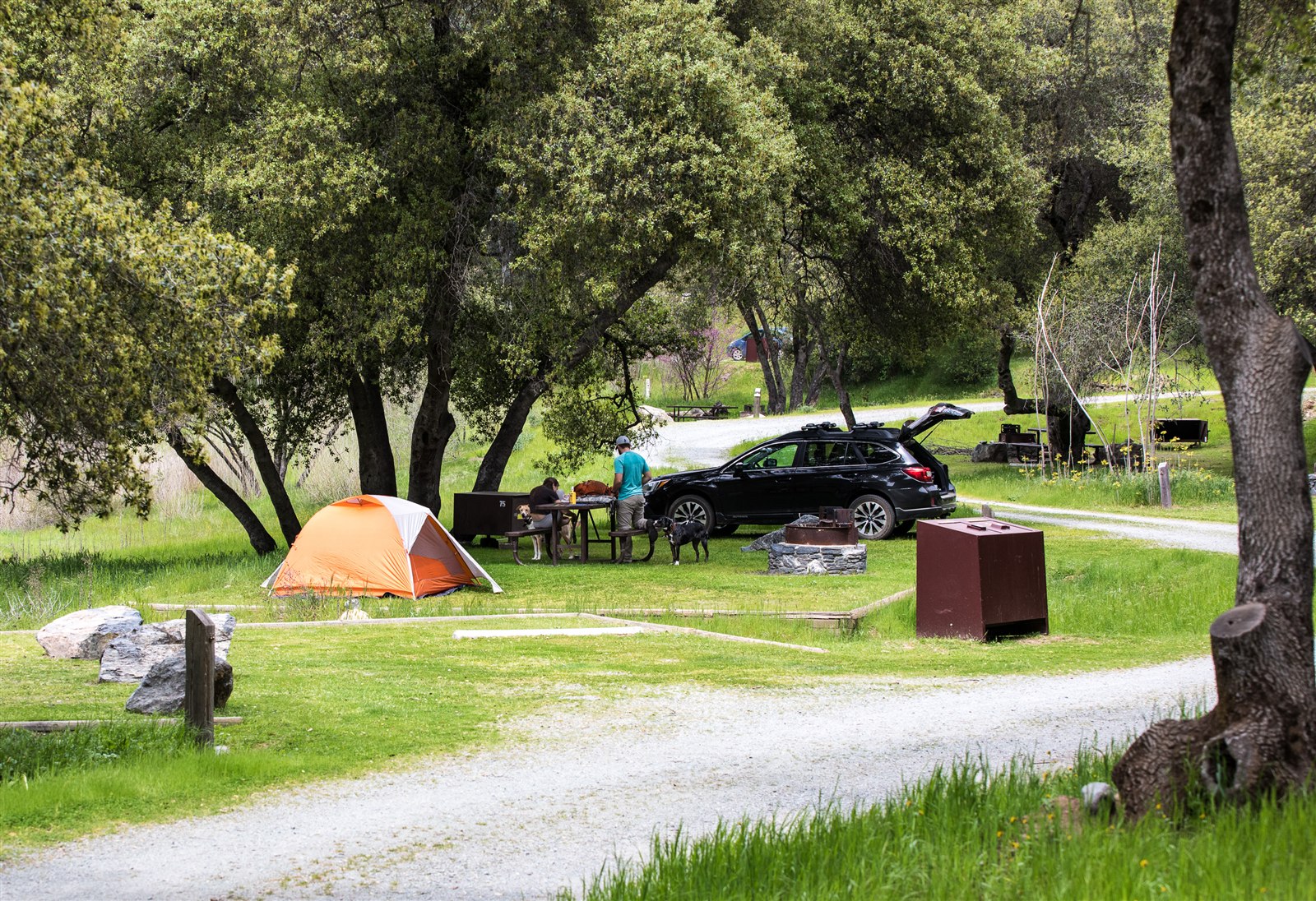
A lot of camping setups become more complicated than they need to be. In real use, comfort, organization, airflow, and easy cleanup usually matter more than having the most gear.
This guide focuses on simple car camping setups that actually work in daily use without overbuilding the vehicle.
Why the Outback Works Well for Simple Car Camping
Lower Setup Complexity Compared to Larger Vehicles
The Outback works well for simple car camping because it doesn’t need much to become usable.
Larger vehicles often lead to more permanent setups like drawer systems, sleeping platforms, or oversized storage. Those setups can work, but they also add complexity, cost, and setup time.
The Outback sits in a more practical middle ground. There’s enough space to sleep, organize gear, and stay comfortable without fully building out the vehicle.
In real use, simpler setups usually work best:
- folding sleeping pads
- soft bags
- small organizers
- basic ventilation
It also transitions back to daily driving more easily than larger camping-focused vehicles.
For most people, that balance is the advantage. Enough space to camp comfortably without turning the vehicle into a permanent setup.
Interior Space vs Exterior Size
The Outback works well for car camping because it offers usable interior space without feeling oversized during daily driving.
Larger SUVs and vans provide more room, but they’re also bulkier, harder to park, and less practical outside of camping. Smaller vehicles are easier to manage, but space fills up quickly once sleeping gear and storage are involved.
The Outback sits in a practical middle ground. There’s enough room to sleep comfortably and organize gear while still keeping the vehicle easy to drive and live with day to day.
In real use, that balance matters more than maximum cargo space for most people.
Why Simplicity Matters More Than Gear
Most car camping setups become harder to use once too much gear gets involved.
Large storage systems, permanent platforms, and oversized equipment can add comfort, but they also take up space, increase setup time, and make the Outback less flexible for normal use.
In real use, simpler setups are usually easier to manage, easier to reset, and more practical day to day.
For most people, comfort and organization matter more than having the most gear.
What Actually Matters in a Simple Car Camping Setup
Sleep Comfort
Sleep comfort matters more than most gear decisions.
In real use, enough padding, a level sleeping surface, and temperature control matter more than complicated setups or extra equipment.
For most people, folding sleeping pads or simple foam mattresses work better than permanent platform builds. They’re easier to manage, take up less space, and keep the Outback more flexible for daily use.
The goal isn’t a perfect bedroom setup. It’s sleeping comfortably enough that the trip still feels enjoyable the next day.
Options like the HEST Foamy and Therm-a-Rest MondoKing are popular because they balance comfort without requiring a permanent setup. Small upgrades like a Trekology camping pillow or a Pendleton wool blanket also make longer trips noticeably more comfortable without adding much bulk.
Easy Setup and Breakdown
A setup that takes too long to build or pack away usually becomes frustrating over time.
In real use, simpler systems work better because they’re faster to manage at night, easier to reset in the morning, and less annoying during short trips or bad weather.
Folding sleeping pads, soft storage, and minimal gear are usually easier to live with than permanent platforms or oversized storage systems.
For most people, the best setup is the one that stays easy to use trip after trip.
Storage Without Losing Sleeping Space
Storage becomes a problem quickly once sleeping gear is set up inside the Outback.
Large bins and permanent storage systems can organize gear well, but they also reduce usable sleeping space and make the setup feel tighter.
In real use, softer and more flexible storage usually works better. Duffel bags, smaller organizers, and movable gear are easier to manage once it’s time to sleep.
The goal isn’t maximum storage. It’s keeping essential gear accessible without making the space feel cramped.
Ventilation and Airflow
Ventilation matters more than most people expect once you start sleeping inside the Outback.
Without airflow, the interior gets stuffy quickly and condensation builds up overnight, especially in cooler weather.
In real use, cracked windows and simple bug screens are usually enough for most setups. Small fans can help in warmer conditions, but complicated ventilation systems are rarely necessary.
The goal is consistent airflow without adding unnecessary setup complexity.
Simple car window bug screens and compact USB camping fans are usually enough for most Subaru camping setups. Subaru Outback window visors also help because they allow windows to stay cracked during rain without bringing water inside.
Privacy and Light Control
Privacy matters more once you start sleeping in the vehicle regularly.
Without window coverage, interior lights, parking lots, and early sunlight make the space feel exposed and harder to sleep in.
In real use, simple window covers usually work better than permanent solutions because they’re easier to install, remove, and store.
The goal is enough privacy and light control to sleep comfortably without adding unnecessary setup complexity.
Foldable sun shades, Reflectix insulation panels, and magnetic window covers improve privacy while also helping with temperature control during early mornings and warmer days.
Keeping the Setup Flexible for Daily Driving
A camping setup that takes over the vehicle usually becomes frustrating outside of trips.
Permanent platforms, oversized storage, and gear that stays installed full time can make the Outback less practical for daily use.
In real use, removable and flexible setups usually work better. Folding sleep systems and soft storage keep the vehicle easier to reset and live with day to day.
For most people, the best setup is one that works for camping without making normal driving worse.
Sleeping Inside the Subaru Outback
Rear Seats Folded vs Partial Fold Setup
Folding the full rear seat creates the most usable sleeping space and usually works best for dedicated camping trips.
A partial fold setup keeps one rear seat usable for passengers or extra storage, but the sleeping area becomes tighter and harder to organize comfortably.
In real use, full fold setups feel better for sleeping, while partial fold setups work better when flexibility matters more than space.
Sleeping Platform vs Sleeping Pad
Sleeping platforms create a flatter and more structured sleeping surface, but they also take up space and make the Outback less flexible for daily use.
Sleeping pads are simpler, easier to store, and faster to set up.
In real use, platforms work better for frequent camping, while sleeping pads usually make more sense for simpler and more occasional setups.
For most people, comfort matters more than having a permanent build.
The Luno Air Mattress works well for comfort-focused trips, while simpler options like the Milliard Tri-Fold Mattress are easier to move and store. Platform systems improve organization and flat sleeping space, but they also add weight and complexity.
How Much Space You Actually Have
The Outback has enough room for simple car camping, but the usable space feels smaller once sleeping gear and storage are inside.
For one person, the setup usually feels comfortable. Two people can fit, but organization becomes more important and the space feels tighter quickly.
In real use, the challenge is usually managing gear without making the sleeping area feel cramped.
Leveling the Rear Cargo Area
The rear cargo area in the Outback is not perfectly flat once the seats are folded down. Small height differences become noticeable when sleeping.
In real use, simple padding or small fillers usually work well enough without needing a full platform setup.
Permanent leveling platforms create a flatter surface, but they also reduce flexibility and take up space.
For most people, improving comfort slightly matters more than creating a perfectly flat setup.
Small foam fillers and simple cargo gap pads usually solve most uneven sleeping surface issues without requiring a full sleeping platform.
Real-World Comfort for One Person vs Two People
For one person, the Outback usually feels comfortable without much effort. There’s enough room to sleep and organize gear without the setup feeling crowded.
Two people can fit, but space becomes tighter quickly once sleeping gear and storage are inside.
In real use, comfort with two people usually depends more on keeping the setup simple and limiting extra gear.
Sleeping Setup Comparison
| Setup Type | Comfort | Setup Speed | Storage Impact | Flexibility | Best For |
| Sleeping Platform | High | Slow | High | Low | Frequent camping |
| Foam Sleeping Pad | Medium-High | Fast | Low | High | Most simple setups |
| Air Mattress | Medium | Medium | Medium | Medium | Occasional trips |
| Folded Seats Only | Low | Fastest | None | Highest | Quick overnight use |
Cargo and Storage Setup
Keeping Gear Accessible
Accessibility matters more than maximum storage during car camping.
If gear gets buried or stacked too tightly, the setup quickly becomes frustrating to use.
In real use, simpler layouts usually work better. Keeping frequently used items easy to reach makes the space easier to manage without constant rearranging.
The goal isn’t fitting the most gear possible. It’s keeping the setup functional day to day.
Open Storage vs Bins
Open storage keeps the Outback more flexible, but smaller items shift around and become harder to manage.
Bins create more structure and organization, but they also take up space and can make the setup feel tighter once sleeping gear is inside.
In real use, smaller and softer storage usually works better for simple car camping.
The right balance depends on whether flexibility or organization matters more for the trip.
Soft duffel bags like the Patagonia Black Hole Duffel, packing cubes, and collapsible storage bins fit around passengers and uneven cargo areas much more easily than oversized hard containers.
What Should Stay Outside the Sleeping Area
Large bags, dirty gear, and items you won’t need overnight usually work better outside the sleeping area.
In real use, the space feels cramped quickly once extra gear starts building up around where you sleep.
The goal is keeping the sleeping area clear enough to stay comfortable without constantly moving gear around.
Soft Storage vs Hard Storage
Soft storage usually works better in the Outback because it compresses and fits around the sleeping area more easily.
Hard storage keeps gear more organized and protected, but it also takes up more fixed space and makes the setup feel tighter.
In real use, soft storage fits simpler and more flexible setups better, while hard storage works better for heavier or more structured gear.
Soft cargo bags usually work better for flexible packing because they compress around other gear more easily. Hard storage bins like Plano storage bins make more sense for heavier, dirty, or fragile equipment that needs extra protection.
Preventing Clutter in Small Spaces
Clutter builds up quickly once sleeping gear and everyday items start sharing the same space.
In real use, keeping items grouped and limiting unnecessary gear makes the setup easier to manage.
Simple storage and open space usually work better than trying to organize everything too tightly.
Simple Cooking and Food Setup
Cooking Outside vs Inside the Vehicle
Cooking outside usually works better for simple car camping. It keeps heat, smells, and moisture out of the sleeping area.
Cooking inside the Outback can work when needed, but space becomes tight quickly and ventilation matters more.
In real use, simpler outdoor cooking setups are usually easier to manage.
Cooler vs Powered Fridge
Coolers are simpler, cheaper, and easier to manage for most car camping trips.
Powered fridges keep food colder longer and remove the need for ice, but they also take up more space and add power requirements to the setup.
In real use, coolers usually make more sense for simpler and occasional trips, while powered fridges work better for longer or more frequent camping.
RTIC coolers work well for weekend travel, while powered fridges like ICECO portable fridges make more sense for longer trips or frequent camping. Smaller YETI ice packs also help reduce loose ice and water inside the cargo area.
Water Storage Basics
Water takes up more space than most people expect during car camping.
In real use, smaller and easier-to-move containers usually work better than oversized tanks for simple setups. They’re easier to refill, store, and shift around once sleeping gear is inside the vehicle.
The goal is carrying enough water without making the setup harder to manage.
Collapsible water containers usually work better for flexible packing because they store more easily once empty. Larger rigid water jugs like Reliance water containers work better for longer campground stays.
Keeping Meals Simple
Complicated meal setups usually become frustrating in a smaller car camping space.
In real use, simpler meals create less cleanup, require less gear, and make the overall setup easier to manage.
The goal isn’t building a full camp kitchen. It’s having food that’s easy to store, prepare, and clean up without taking over the vehicle.
Managing Smells and Condensation
Smells and condensation build up quickly in a smaller sleeping space, especially after cooking or in cooler weather.
In real use, airflow matters more than most people expect. Cracked windows, basic ventilation, and keeping cooking outside when possible help reduce both issues.
The simpler and cleaner the setup stays, the easier the interior is to manage overnight.
Ventilation and Weather Protection
Why Airflow Matters More Than People Expect
Poor airflow makes the Outback feel stuffy faster than most people expect, especially overnight.
In real use, lack of ventilation leads to condensation, trapped heat, and uncomfortable sleeping conditions even in mild weather.
Simple airflow usually works best. Slightly cracked windows and basic bug screens are often enough to keep the space more comfortable without adding complicated gear.
Rain Protection Without a Large Setup
Large awnings and permanent shelters add coverage, but they also add cost, setup time, and storage requirements.
In real use, smaller and simpler rain protection usually works better for casual car camping. Using the hatch for cover, staying organized, and keeping gear easy to move makes bad weather easier to manage without overbuilding the setup.
The goal is staying reasonably dry without turning the setup into a full campsite build.
Window Cracking and Bug Screens
Cracking the windows slightly makes a bigger difference than most people expect for airflow and condensation control.
The problem is bugs. Without screens, leaving windows open usually becomes frustrating quickly in warmer weather.
In real use, simple bug screens are usually enough for most setups. They keep airflow moving without adding much setup time or extra gear.
Condensation Problems in Real Use
Condensation builds up faster than most people expect when sleeping inside the Outback, especially in cooler or humid weather.
In real use, moisture collects on windows overnight and the interior can start feeling damp quickly without airflow.
Cracked windows and basic ventilation usually solve most of the problem without needing complicated gear.
Staying Comfortable Without Overbuilding
More gear does not always make car camping more comfortable.
In real use, oversized setups add clutter, take longer to manage, and make the Outback feel smaller once everything is inside.
Simple sleep systems, basic ventilation, and manageable storage usually create a more comfortable experience than trying to build a full overlanding setup.
Interior Organization While Camping
Front Seat Storage
The front seats usually become overflow storage once camping gear fills the rear of the Outback.
In real use, smaller and frequently used items work best up front because they stay easy to reach without digging through larger gear.
Too much front seat storage quickly creates clutter and makes the vehicle feel harder to use day to day.
Simple seatback organizers and console organizers usually work better than oversized hanging storage systems during road trips.
Trunk Organization During Sleep Setup
Once the sleeping area is set up, trunk organization becomes more important because usable space disappears quickly.
In real use, gear that stays grouped and easy to move works best. Loose items spread out fast and make the sleeping area feel cramped.
Simple and flexible storage usually works better than trying to organize every inch of space.
Keeping Everyday Items Easy to Reach
Everyday items become frustrating quickly if they get buried under camping gear.
In real use, keeping essentials like water, lights, chargers, or toiletries easy to reach makes the setup feel much more manageable.
Simple organization works better than overcomplicated storage systems. The goal is quick access without constantly unpacking gear.
Avoiding Constant Rearranging
A setup that requires constant moving and unpacking becomes frustrating fast.
In real use, keeping gear grouped by use and limiting unnecessary items makes the Outback much easier to live with during trips.
Simple layouts usually work better because they reduce how often you need to shift things around just to access basic gear.
Outback vs Forester vs Crosstrek for Car Camping
Outback (Best Overall Balance)
The Outback offers the best balance of sleeping space, cargo room, and daily drivability for simple car camping.
The longer cargo area makes it easier to sleep comfortably without sacrificing as much storage space. It also gives more flexibility for organizing gear without the setup feeling cramped.
In real use, it feels easier to manage than the Crosstrek while staying simpler and easier to live with day to day than larger SUVs or truck-based setups.
Forester (More Vertical Space)
The Forester stands out for vertical space and easier movement inside the vehicle.
The taller cabin makes it feel more open while sitting up, changing clothes, or organizing gear. It also helps larger items stack more naturally without the setup feeling cramped.
In real use, the tradeoff is cargo length. The Forester feels roomier vertically, but the Outback usually works better for sleeping layouts and spreading gear out.
Crosstrek (Simpler, Tighter Setup)
The Crosstrek can work well for simple car camping, but space becomes limited much faster than in the Outback or Forester.
Sleeping setups need to stay tighter and more organized because gear, storage, and sleeping space all compete for the same area.
In real use, the Crosstrek works best for solo campers, shorter trips, or people prioritizing a smaller daily driver over maximum camping space.
Which Subaru Works Best for Different Camping Styles
The best Subaru for car camping depends more on how you camp than overall vehicle size.
The Outback offers the best balance for most people because it combines sleeping space, cargo room, and daily usability well.
The Forester works better if upright space and easier movement inside the vehicle matter more.
The Crosstrek fits simpler setups best and makes more sense for solo campers, shorter trips, or people prioritizing a smaller daily driver.
Outback vs Forester vs Crosstrek for Car Camping
| Model | Sleeping Space | Cargo Flexibility | Interior Feel | Setup Simplicity | Best For |
| Outback | Best overall balance | High | Long and open | Easy | Most people |
| Forester | Good | Medium | Taller and more upright | Easy | Vertical space and movement |
| Crosstrek | Limited | Lower | Smaller and tighter | Simplest setups | Solo campers and shorter trips |
Common Mistakes People Make
Bringing Too Much Gear
Too much gear makes the Outback feel small quickly.
In real use, extra storage bins, oversized cooking setups, and unnecessary equipment create clutter and make sleeping space harder to manage.
Simple setups usually work better because they leave more usable space and require less rearranging during the trip.
Building a Permanent Setup Too Early
Permanent platforms and built-in storage look appealing, but they often reduce flexibility more than expected.
In real use, most people adjust their setup after a few trips once they see what actually gets used and what gets in the way.
Starting simpler usually works better because it keeps the Outback usable for both camping and daily driving.
Ignoring Ventilation
Poor ventilation makes the interior uncomfortable faster than most people expect.
In real use, lack of airflow leads to condensation, trapped heat, and damp sleeping conditions overnight.
Simple ventilation usually solves most of the problem. Slightly cracked windows and basic airflow matter more than adding extra gear.
Using Storage That’s Too Large
Oversized storage takes up space faster than most people expect in the Outback.
Large bins and rigid containers can make the sleeping area feel tighter and reduce flexibility once gear starts building up.
In real use, smaller and softer storage usually works better because it’s easier to move, reorganize, and fit around the setup.
Making Daily Driving Worse
A camping setup still needs to work when the trip is over.
Permanent platforms, oversized storage, and too much gear can make the Outback harder to use for groceries, passengers, and everyday driving.
In real use, simpler and removable setups usually work better because they keep the vehicle flexible day to day.
What Actually Works (Based on Real Use)
Simple Setups Usually Last Longer
Simple setups are easier to maintain and adjust over time.
In real use, complicated systems often become frustrating because they take longer to set up, clean, and reorganize.
Simpler layouts usually stay more practical because they keep the Outback flexible and easier to use both during trips and daily driving.
Flexible Storage Beats Permanent Storage for Most People
Flexible storage usually works better because camping needs change from trip to trip.
In real use, removable bins, soft storage, and simpler layouts are easier to adjust and make the Outback more usable day to day.
Permanent storage makes sense for dedicated camping setups, but most people benefit more from keeping the space adaptable.
Sleeping Comfort Matters More Than Fancy Gear
A comfortable sleeping setup matters more than expensive camping gear.
In real use, sleep quality affects the entire trip more than complicated storage systems or oversized accessories.
Simple padding, airflow, and enough space to rest comfortably usually make a bigger difference than adding more equipment.
Small additions like a Rumpl blanket or a thin camping mattress topper often make a bigger difference during longer trips than adding more gear.
Easy Cleanup Makes a Bigger Difference Than Expected
Mess builds up quickly during car camping, especially in a smaller space like the Outback.
In real use, setups that are easy to wipe down, reorganize, and clear out stay more enjoyable over time.
Simple storage, limited gear, and easy-to-clean surfaces usually matter more than adding extra equipment.
Test the Setup Before a Longer Trip
Most setup problems only show up after actually sleeping and living in the vehicle.
In real use, testing the setup on a short overnight trip helps reveal what feels cramped, hard to reach, or unnecessary.
Small adjustments early usually make a bigger difference than adding more gear later.
Setup Tips Most People Miss
Small details make a bigger difference than extra gear.
In real use, testing your sleeping position before buying gear helps avoid building the setup around the wrong layout. Keeping one area clear also makes the Outback easier to live with once gear starts building up.
Layering lighter bedding usually works better than oversized blankets, especially in smaller spaces. It also helps to keep nighttime essentials within reach so you’re not constantly moving things around after dark.
Before a longer trip, practice the setup at home and think about how weather changes may affect airflow, temperature, and condensation.
FAQs
Can two people comfortably sleep in a Subaru Outback?
Yes, but space becomes tighter once gear is inside. Keeping the setup simple makes a noticeable difference for comfort.
Is the Outback better than the Forester for car camping?
Usually, yes for sleeping space. The Outback’s longer cargo area works better for sleeping layouts, while the Forester feels more open vertically.
Do you need a sleeping platform?
No. Many simple setups work fine with folded seats and a sleeping pad. Platforms help with leveling and storage, but they also take up space.
How do you deal with condensation while sleeping?
Airflow matters most. Slightly cracked windows and basic ventilation usually reduce condensation enough for most trips.
Can you car camp in a Crosstrek?
Yes, but the setup needs to stay simpler and more compact because space fills up faster.
What’s the simplest car camping setup that actually works?
A sleeping pad, basic bedding, simple storage, and good airflow are usually enough for comfortable trips.
Is it better to sleep inside the vehicle or use a tent?
It depends on the trip. Sleeping inside is simpler and faster in bad weather, while tents usually provide more space and flexibility at camp.
Final Thoughts
There’s no perfect car camping setup, just the one that fits how you actually use the vehicle.
More gear can improve comfort, but it also takes up space, adds setup time, and reduces flexibility. In real use, simpler setups are usually easier to manage and easier to live with day to day.
For most people, comfort, airflow, organization, and easy cleanup matter more than building a permanent setup.
From here, it helps to focus on the individual pieces that affect usability most, especially sleeping setups, storage, ventilation, and interior organization.
Leave a Reply