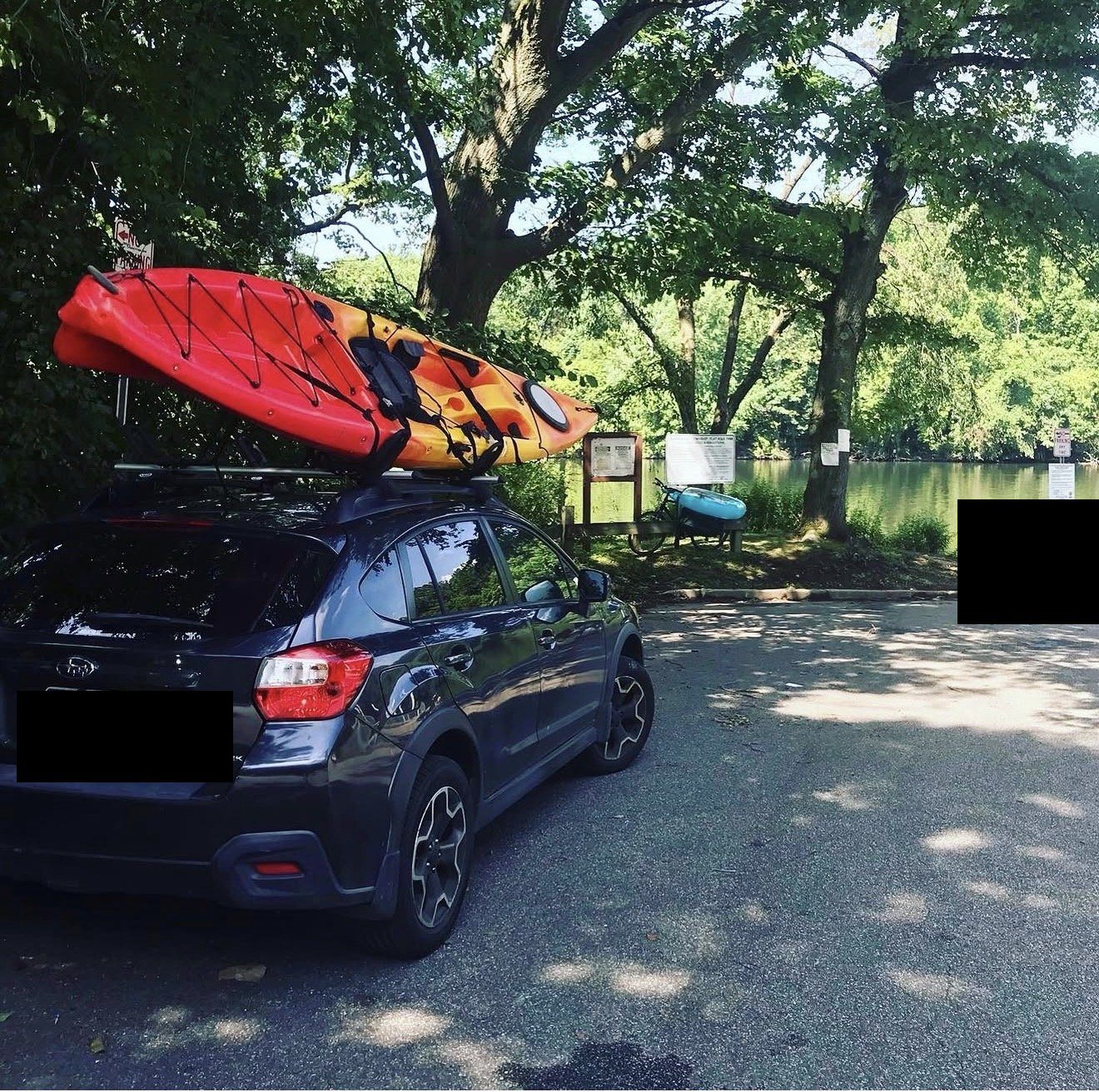
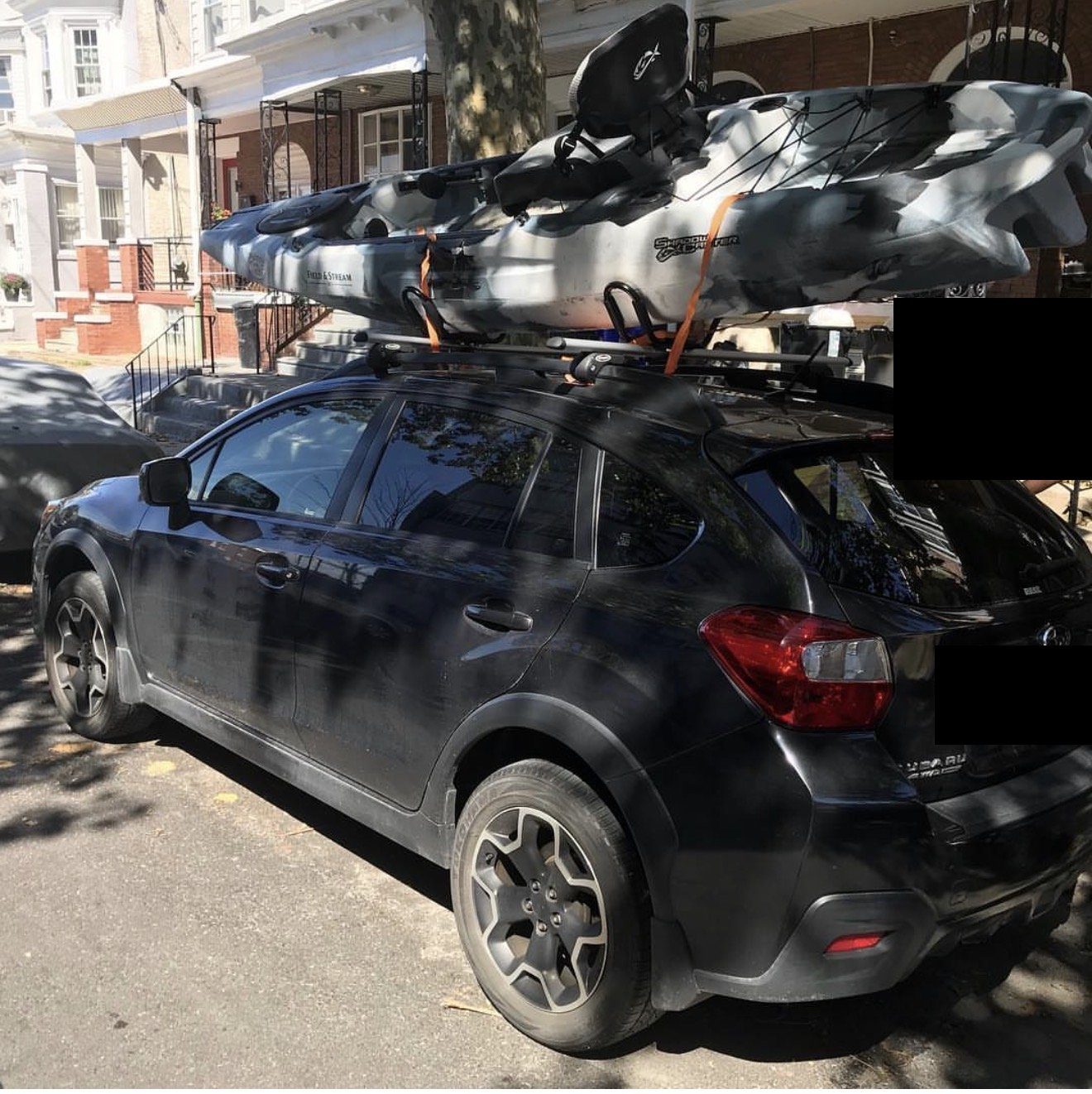
Transporting a kayak is something many Crosstrek, Forester, and Outback owners eventually need to solve. Subaru models work well for the task, but the best setup depends on your kayak and how often you paddle.
The Crosstrek’s lower roof height makes loading easier than on many SUVs, but factors like convenience, roof capacity, and ease of use often matter more than maximum carrying capability.
For most Subaru owners, the goal is simple: transport a kayak safely without making the vehicle harder to live with every day.
Why Crosstrek Owners Use Kayak Carriers
Taking Advantage Of The Crosstrek’s Lower Roof Height
One advantage of the Crosstrek is its relatively low roof height. Compared to taller SUVs, loading and securing a kayak requires less lifting and less effort.
For many owners, this makes roof-mounted carriers more practical and easier to live with during frequent trips.
Safer Than Transporting A Kayak Inside
Transporting a kayak inside the vehicle can obstruct visibility and limit passenger space. A proper roof-mounted setup keeps the kayak secure while preserving the comfort and usability of the cabin.
For most owners, carrying the kayak outside the vehicle is both safer and more practical.
Easier Trips To Lakes And Rivers
A dedicated kayak carrier makes it easier to head to the water without complicated tie-down arrangements. Once installed, many owners find that loading up for spontaneous trips becomes much simpler.
Whether traveling to local lakes or weekend destinations, a secure setup helps reduce stress during the drive.
Why Proper Support Matters
Proper support helps distribute the kayak’s weight and reduces unnecessary movement during transport. It also helps protect both the kayak and the roof rack system.
For many Crosstrek, Forester, and Outback owners, a properly supported kayak is easier to transport and inspires more confidence on the highway.
Types Of Kayak Carriers
J-Style Carriers
J-style carriers hold the kayak on its side, allowing more room on the roof for additional gear or a second kayak. They are popular with Crosstrek owners because they make efficient use of the available roof space.
Loading requires lifting the kayak onto its edge, which can be challenging with heavier boats. For many owners transporting one or two recreational kayaks, J-style carriers provide a practical balance between capacity and roof space.
Saddle-Style Carriers
Saddle-style carriers support the kayak from underneath and keep it in a flat position. This provides excellent stability and distributes weight evenly across the hull.
Because the kayak rests naturally in the cradles, many owners find saddle carriers easier to use with heavier or more expensive kayaks. The tradeoff is that they occupy more roof space than J-style designs.
Stackers
Stackers hold kayaks vertically and maximize carrying capacity. They are often used by owners transporting multiple kayaks or by families who regularly paddle together.
While stackers provide impressive capacity, loading and securing several boats requires more effort. For most owners carrying a single kayak, they offer more capability than necessary.
Foam Blocks
Foam blocks are a simple and inexpensive option that rests directly on the roof or crossbars. They are lightweight and easy to store when not in use.
Many owners use foam blocks for occasional trips or temporary setups. However, they provide less support and security than dedicated carriers, making them less appealing for frequent use or long highway drives.
Load-Assist Carriers
Load-assist carriers are designed to reduce the effort required to get a kayak onto the roof. Some systems use rollers or lifting mechanisms that help guide the kayak into position.
They are especially popular with solo paddlers, owners with heavier kayaks, and anyone who wants to avoid lifting a boat overhead. The tradeoff is that they are usually more expensive and add complexity compared to traditional carriers.
Which Style Fits Most Owners?
For many Crosstrek, Forester, and Outback owners, the best carrier style depends on the type of kayak and how often it is used.
J-style carriers offer a good balance of capacity and roof space, while saddle carriers prioritize support and stability. Stackers make sense when carrying multiple kayaks, and foam blocks work best for occasional use or temporary situations.
Ultimately, the right choice depends less on the carrier itself and more on the size of the kayak, how often you paddle, and how much convenience matters during loading and transport.
| Carrier Type | Ease Of Loading | Space Efficiency | Best For |
| J-Style Carrier | Moderate | Excellent | One or two kayaks |
| Saddle-Style Carrier | Excellent | Moderate | Heavier or expensive kayaks |
| Stackers | Moderate | Excellent | Multiple kayaks |
| Foam Blocks | Moderate | Good | Occasional use |
| Load-Assist Carrier | Excellent | Moderate | Solo paddlers and heavy kayaks |
Factory Crossbars vs Aftermarket Crossbars
What The Factory Bars Can Handle
Factory crossbars are capable of carrying many recreational kayaks and work well for occasional paddlers. For many Crosstrek, Forester, and Outback owners, the factory setup provides enough capacity without requiring additional upgrades.
As long as weight limits are respected, factory bars are often sufficient for transporting a single kayak and basic gear.
When Aftermarket Bars Make Sense
Aftermarket crossbars become more appealing when carrying heavier kayaks, multiple boats, or additional roof accessories. They often provide increased strength, wider bar spacing, and greater flexibility for different carrier styles.
Owners who paddle frequently or use their roof for several types of gear may find the added versatility worthwhile.
Weight Ratings Matter
The kayak carrier, crossbars, and vehicle all have weight limits that should be considered together. The lowest-rated component determines the maximum safe load.
For most owners, understanding these ratings is more important than choosing between factory and aftermarket bars. Staying within the limits helps ensure a safer and more stable setup.
Everyday Practicality
Factory crossbars offer simplicity and require little additional effort. They are convenient for owners who only transport kayaks occasionally and want to keep the vehicle easy to live with.
Aftermarket bars provide more capability but can add cost, weight, and wind noise. For many Subaru owners, the best choice depends less on maximum capacity and more on how often the kayak setup will actually be used.
Loading A Kayak Onto A Crosstrek
Why The Crosstrek Makes Solo Loading Easier
Many Crosstrek owners load their kayaks alone, especially with smaller recreational boats. The Crosstrek’s lower roof height makes solo loading more manageable than on taller SUVs.
Longer or heavier kayaks can still be awkward, but many owners find that taking their time and using a controlled approach makes the process much easier.
Two-Person Loading
Loading with two people reduces strain and makes positioning the kayak much easier. One person can support each end while aligning the boat with the carrier.
For heavier kayaks or longer touring models, having a second person often improves both convenience and safety.
Protecting The Roof And Paint
Careless loading can lead to scratches or damage around the roof and rear hatch. Working slowly and maintaining control of the kayak helps prevent accidental contact with the vehicle.
Many owners find that patience matters more than strength when loading and securing a kayak.
Why Lower Roof Height Helps
The Crosstrek’s lower ride height makes it easier to reach the roof compared to taller SUVs. Less overhead lifting means loading requires less effort and can feel less intimidating.
For many owners, this combination of manageable height and everyday practicality is one reason the Crosstrek works so well as a kayak vehicle.
One Kayak vs Two Kayaks
Carrying A Single Kayak
Transporting one kayak is straightforward for most Crosstrek owners. A single boat places less demand on the roof system and leaves plenty of room for loading and securing straps.
For many recreational paddlers, a one-kayak setup provides the simplest and most convenient solution.
Carrying Two Kayaks
The Crosstrek can carry two kayaks, but roof space becomes more important. J-style carriers and stackers are popular because they make efficient use of the available width.
Couples and families often prefer two-kayak setups, especially when regular trips to lakes and rivers are part of their routine.
Width Limitations
Roof width often becomes a limiting factor before weight does. Wider kayaks require more space between carriers, and some combinations may not fit side by side.
The type of carrier used can have a significant impact on how much roof space remains available for a second kayak.
Weight Considerations
The combined weight of the kayaks, carriers, and crossbars must remain within the vehicle’s roof load rating. Heavier fishing kayaks and multiple boats can add weight quickly.
For most owners, understanding the overall weight of the entire system is more important than simply determining whether one or two kayaks will fit.
Wind Noise And Fuel Economy
Why Carriers Create Wind Noise
Kayak carriers change the airflow over the roof, which can create additional wind noise. This effect becomes more noticeable at highway speeds and varies depending on the carrier design and crossbar setup.
For many Crosstrek owners, some increase in noise is simply part of transporting a kayak.
MPG Changes During Highway Driving
Carrying a kayak increases aerodynamic drag, which can reduce fuel economy during longer trips. The impact is usually most noticeable on highways where wind resistance plays a larger role.
For occasional trips, many owners consider the fuel economy tradeoff relatively minor compared to the convenience of bringing a kayak along.
Why Carrier Shape Matters
Different carrier styles interact with airflow differently. Lower-profile designs generally create less wind resistance, while taller carriers and upright kayaks tend to produce more noise.
The overall setup, including the crossbars and the kayak itself, often has a greater effect than the carrier alone.
Removing Carriers Between Trips
Many Crosstrek owners remove their kayak carriers when they are not needed. Doing so helps reduce wind noise, improve fuel economy, and restore the vehicle to its normal height.
For owners who only paddle occasionally, removing the carrier between trips is often the most practical approach.
Kayak Carrier vs Roof Cargo Box
Loading Convenience
Kayak carriers are designed specifically for transporting kayaks and make it easy to secure the boat without taking up interior space. Once installed, loading is straightforward and requires little additional organization.
Roof cargo boxes require packing gear inside and are not intended to carry kayaks. For owners whose primary goal is transporting a kayak, dedicated carriers offer the more practical solution.
Weather Protection
Roof cargo boxes provide excellent protection from rain, road grime, and sun exposure. Gear remains enclosed and out of sight during travel.
Kayak carriers leave the boat exposed to the elements, but kayaks are designed to withstand water and outdoor conditions. For most owners, weather protection is usually a greater concern for gear than for the kayak itself.
Accessibility
Kayak carriers allow quick access once you arrive at the water. There is no need to unpack additional gear or open a large box.
Cargo boxes offer more versatility because they can carry luggage, camping gear, and smaller items, but they are not a substitute for transporting a kayak.
Fuel Economy And Wind Noise
Both setups affect aerodynamics, but the size and shape of the kayak often have a greater impact on fuel economy and wind noise than the carrier itself.
Cargo boxes generally create less drag than a full-size kayak, but both setups will increase wind noise during highway driving.
Which Option Makes More Sense?
For owners whose primary goal is transporting a kayak, a dedicated carrier makes the most sense. It provides proper support and is designed specifically for the job.
Roof cargo boxes are better suited for carrying luggage and general gear. For many Crosstrek owners, the choice comes down to whether they need to transport a kayak or simply add enclosed storage.
| Category | Kayak Carrier | Roof Cargo Box |
| Loading Convenience | Designed specifically for kayaks | Designed for luggage and gear |
| Weather Protection | Moderate | Excellent |
| Accessibility | Excellent | Good |
| Wind Noise | Higher with a kayak loaded | Lower |
| Fuel Economy Impact | Greater with a kayak loaded | Moderate |
| Best For | Transporting kayaks | Extra storage and travel gear |
Common Mistakes To Avoid
Exceeding Roof Weight Limits
Many owners focus on whether a kayak will fit without considering the roof load rating. The combined weight of the kayak, carrier, and crossbars must remain within the vehicle’s limits.
Ignoring those ratings can affect safety and place unnecessary stress on the roof system.
Improper Strap Placement
Poorly positioned straps can allow the kayak to shift during travel. Straps should secure the boat firmly without twisting or placing uneven pressure on the hull.
Taking a few extra minutes to check the setup helps prevent problems on the road.
Ignoring Bow And Stern Tie-Downs
Bow and stern tie-downs provide additional stability, especially with longer kayaks or during highway driving. Skipping them can allow excessive movement in crosswinds or rough conditions.
For many owners, these extra tie-downs provide valuable peace of mind.
Leaving Empty Carriers Installed
Empty carriers continue to create wind noise and aerodynamic drag even when they are not being used. They also add unnecessary height to the vehicle.
Many Crosstrek owners remove their carriers between trips to improve fuel economy and reduce noise.
Using More Carrier Than Necessary
Larger or more complex carriers are not always better. Many owners find that a simpler setup works just as well and is easier to live with.
Choosing a carrier that matches your typical needs often provides the best balance of convenience and practicality.
What Actually Works (Based On Real Use)
Most Owners Only Need One Kayak
Many Crosstrek owners spend most of their time transporting a single kayak. A one-kayak setup is easier to load, simpler to secure, and places fewer demands on the roof system.
For most recreational paddlers, one boat provides all the capacity they need.
The Crosstrek Makes Loading Easier Than Taller SUVs
The Crosstrek’s lower roof height makes loading and unloading easier than on many larger SUVs. Less overhead lifting means less effort and less stress.
For solo paddlers, this can make a noticeable difference over time.
Simplicity Usually Wins
Complicated setups with multiple carriers and accessories can add cost and frustration. Many owners eventually settle on a straightforward arrangement that is easy to use and maintain.
A simple setup often leads to more time on the water and less time dealing with gear.
Easy Loading Matters More Than Maximum Capacity
Many owners initially focus on carrying multiple kayaks, but loading convenience becomes more important over time. A setup that is easy to use tends to get used more often.
For many Crosstrek owners, ease of loading matters more than maximizing roof space.
Factory Crossbars Work For Many Owners
Factory crossbars are capable of supporting many recreational kayak setups. Owners who paddle occasionally often find that the factory system provides everything they need.
Upgrading to aftermarket bars makes sense for some situations, but many owners never need to.
Convenience Matters More Than Having The Most Gear
After enough trips, many owners discover that the best setup is simply the one that fits naturally into everyday life.
A carrier that is easy to load, simple to store, and matches your typical paddling habits usually proves more valuable than a more complicated setup designed around occasional needs.
FAQs
Can Subaru Crosstrek factory crossbars hold a kayak?
Yes. Factory crossbars can support many recreational kayak setups when used within their weight limits.
How many kayaks can a Crosstrek carry?
Most Crosstreks can carry one or two kayaks, depending on their size and carrier setup.
Can one person load a kayak onto a Crosstrek?
Yes. The Crosstrek’s lower roof height makes solo loading easier for many owners.
Are J-style carriers better than saddles?
It depends. J-style carriers save space, while saddles provide greater support and stability.
Do kayak carriers affect fuel economy?
Yes. Additional wind resistance can reduce fuel economy, especially at highway speeds.
Do kayak carriers create wind noise?
Yes. Most carrier setups create some additional wind noise.
Should I remove the carrier when not in use?
Many owners do. Removing the carrier can reduce wind noise and improve fuel economy.
Do I need bow and stern tie-downs?
They are recommended, especially for longer kayaks and highway driving.
Can I carry two kayaks on a Crosstrek?
Yes. Many owners regularly transport two kayaks with the proper carriers and crossbars.
Is the Crosstrek good for transporting kayaks?
Yes. Its lower roof height makes loading easier than on many taller SUVs.
Final Thoughts
The best kayak carrier depends on the size of your kayak, how often you paddle, and how you use your Subaru.
Every setup involves tradeoffs, and for many owners, convenience matters more than maximum capacity.
As your needs change, factors like crossbars, roof storage, and cargo organization become just as important as the carrier itself.
Leave a Reply