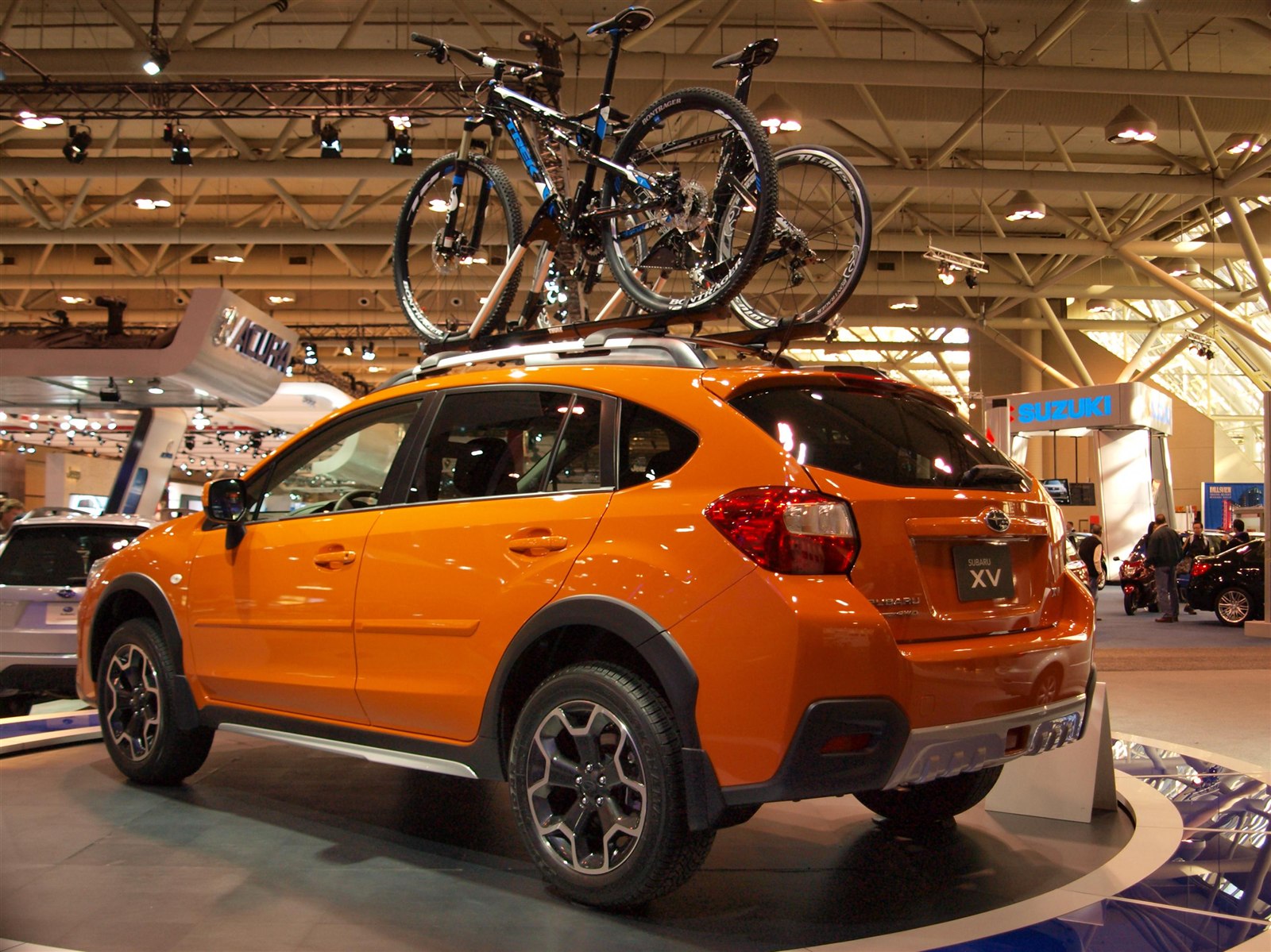
Best Bike Rack for Subaru Crosstrek

Written by

in

Transporting bikes is something many Crosstrek, Forester, and Outback owners eventually need to solve. Subaru models work well with several types of bike racks, but the best setup depends on how you actually use your vehicle.

Loading effort, rear hatch access, bike weight, and everyday convenience often matter more than maximum capacity. What works well for occasional rides may not be ideal for frequent use or family trips.

For most Subaru owners, the goal is simple: choose a bike rack that makes transporting bikes easier without making the vehicle harder to live with.

Which Type Of Bike Rack Works Best On A Subaru Crosstrek?

Hitch-Mounted Bike Racks

Hitch-mounted racks are the most popular choice for many Crosstrek owners. They are easy to load, require little lifting, and work well with heavier bikes such as mountain bikes and e-bikes.

Many models tilt away to preserve rear hatch access, making them practical for road trips and everyday driving. The main requirement is having a trailer hitch installed.

For owners who transport bikes regularly, hitch racks often provide the best balance of convenience and usability.

Roof-Mounted Bike Racks

Roof-mounted racks take advantage of the Crosstrek’s lower roof height and keep the hitch available for towing or cargo carriers. They also preserve full access to the rear hatch.

However, loading bikes overhead still requires more lifting and can become inconvenient with heavier bikes. Vehicle height is another factor to consider when entering garages or parking decks.

For lighter bikes and occasional use, roof racks remain a practical option.

Trunk-Mounted Bike Racks

Trunk-mounted racks are usually the most affordable option and do not require a hitch or roof crossbars. They are popular with owners who only transport bikes occasionally.

The downside is that they can restrict hatch access, require more setup time, and rely on straps that contact the vehicle. Because of this, they are generally less convenient for frequent use.

Many owners view trunk racks as a temporary or budget-friendly solution rather than a long-term setup.

Which Style Works Best For Most Owners?

For most Crosstrek owners, hitch-mounted racks offer the best combination of convenience, ease of loading, and compatibility with different types of bikes. Roof-mounted racks work well for owners who prefer keeping the hitch free, while trunk-mounted racks provide an affordable option for occasional trips.

Ultimately, the best setup depends less on the bike rack itself and more on how often you ride and how you use your Subaru.

Rack TypeEase Of UseHatch AccessCapacityBest For
Hitch RackExcellentVery GoodHighFrequent riders, e-bikes, families
Roof RackGoodExcellentModerateOccasional riders, keeping the hitch free
Trunk RackFairLimitedModerateBudget-conscious or occasional use

Why Many Crosstrek Owners Prefer Hitch Bike Racks

Easier Loading

One of the biggest advantages of a hitch rack is how easy it is to load and unload bikes. Because the bikes sit close to the ground, owners do not have to lift them overhead or balance them while securing straps.

This becomes especially noticeable with multiple bikes or after a long day of riding. For many owners, the reduced lifting effort alone makes a hitch rack worth considering.

Better For Heavy Bikes

Hitch racks are often better suited for heavier bikes, including e-bikes, mountain bikes, and fat-tire bikes. Their lower loading height makes it easier to manage additional weight, and many hitch-mounted designs are built specifically to support heavier bicycles.

Owners planning to transport larger or heavier bikes often find hitch racks to be the most practical solution.

Improved Stability

A properly installed hitch rack provides excellent stability during highway driving. The bikes sit lower and are less exposed to wind than roof-mounted setups, which can help reduce movement and improve confidence on longer trips.

For many Crosstrek owners, hitch racks provide a secure setup that is easy to live with during both daily driving and weekend adventures.

Access To The Rear Hatch

Many hitch-mounted racks include tilt-away or swing-away features that allow access to the rear cargo area without completely removing the bikes or rack.

This added convenience is particularly valuable on road trips, grocery runs, and family outings where frequent access to the cargo area is important. For many owners, preserving rear hatch usability is one of the biggest reasons hitch racks are so popular.

Roof Bike Racks vs Hitch Bike Racks

Ease Of Loading

Hitch-mounted racks are easier to load because the bikes sit close to the ground. This reduces lifting and makes securing heavier bikes much less stressful.

Roof racks require lifting bikes overhead, which can be more difficult with mountain bikes, e-bikes, or multiple bicycles. For many owners, ease of loading is the biggest factor that pushes them toward a hitch rack.

Vehicle Height Considerations

Roof-mounted racks increase the overall height of the vehicle and require additional attention when entering garages, parking decks, and drive-throughs. Forgetting that bikes are on the roof can lead to expensive mistakes.

Hitch racks avoid these height concerns but add length behind the vehicle. Owners should still be mindful of parking and rear clearance, though the risks are usually easier to manage.

Fuel Economy And Wind Noise

Roof racks expose bikes directly to the airflow, which can increase wind noise and reduce fuel economy, especially during highway driving.

Hitch racks place the bikes lower and behind the vehicle, where they are less exposed to the wind. While no setup is completely free of tradeoffs, many owners find hitch racks quieter and easier to live with on long trips.

Everyday Convenience

Roof racks keep the hitch available for towing or cargo carriers and preserve the vehicle’s overall length. They also maintain access to the rear of the vehicle without additional moving parts.

Hitch racks are generally easier to use on a daily basis. Many models offer tilt-away features that provide access to the rear hatch, making them practical for grocery runs, family trips, and frequent riding.

Security

Both styles offer secure transportation when properly installed, but theft protection depends more on the rack and locking system than the mounting location.

Roof-mounted bikes are harder to reach, which can provide some additional deterrence. Hitch racks place bikes closer to the ground, making loading easier but also making them more accessible. For many owners, using quality locks matters more than whether the bikes are carried on the roof or behind the vehicle.

CategoryHitch RackRoof Rack
Ease Of LoadingExcellentModerate
Vehicle Height ImpactNoneIncreases overall height
Wind NoiseLowerHigher
Fuel EconomySmaller impactGreater impact
Rear Hatch AccessGood (tilt-away models)Excellent
Heavy Bike CompatibilityExcellentFair
E-Bike FriendlyYesUsually less convenient
Best ForFrequent use and familiesOccasional use and keeping the hitch available

How Many Bikes Can A Subaru Crosstrek Carry?

One Or Two Bikes

For most Crosstrek owners, carrying one or two bikes is straightforward. Both roof-mounted and hitch-mounted racks handle this arrangement well, and loading remains relatively simple.

Couples and solo riders often find that a two-bike setup provides plenty of flexibility without adding unnecessary weight or complexity.

Family Setups

Families frequently need space for three or four bikes. Hitch-mounted racks are usually preferred because they make loading easier and allow children’s bikes and adult bikes to be carried together.

As the number of bikes increases, organization and access to the rear cargo area become more important. Many owners prioritize convenience over maximizing carrying capacity.

Four-Bike Configurations

Four-bike setups are possible on a Crosstrek, but they require more attention to rack capacity and bike spacing. Closely packed bikes can contact each other during travel, especially on rough roads.

Because of the added size and weight, four-bike configurations are typically better suited to hitch-mounted racks than roof-mounted systems. For many families, they provide enough capacity without becoming difficult to manage.

Weight Considerations

The total weight of the bikes matters just as much as the number being carried. Mountain bikes, fat-tire bikes, and e-bikes can add weight quickly, and rack ratings should always be respected.

For many Crosstrek owners, the limiting factor is not how many bikes the vehicle can carry, but how much weight the rack is designed to support. A properly balanced setup is usually safer and easier to live with than simply trying to carry the maximum number of bikes possible.

Carrying E-Bikes On A Crosstrek

Why Weight Matters

E-bikes are significantly heavier than traditional bicycles, and their weight can quickly push a rack toward its maximum rating. The combined weight of the bikes and the rack itself should always be considered.

For many Crosstrek owners, weight capacity becomes more important than the number of bikes being carried. Staying within the vehicle and rack ratings helps maintain safety and stability.

Why Hitch Racks Usually Work Better

Hitch-mounted racks are generally the preferred choice for e-bikes because they are designed to support heavier loads and place the bikes closer to the ground. Many platform-style hitch racks are specifically built with e-bike weight ratings in mind.

Roof racks can work for lighter bicycles, but lifting heavy e-bikes overhead is difficult and less practical for everyday use.

Loading Heavy Bikes

Even a single e-bike can be awkward to lift. Because hitch racks sit lower, loading usually requires much less effort than a roof-mounted setup.

For many owners, ease of loading becomes one of the biggest reasons to choose a hitch rack. A setup that is simple to use often makes riding more enjoyable and reduces frustration.

Battery Removal Considerations

Many e-bike batteries can be removed before transport. Doing so reduces the overall weight of the bike and makes loading easier.

Removing the battery can also help protect it from prolonged exposure to rain, extreme temperatures, and road vibration. For many Crosstrek owners, taking the battery out before a trip is a simple step that makes transporting e-bikes easier and more manageable.

Choosing A Bike Rack Based On Your Needs

For Casual Riders

Owners who ride occasionally often prioritize simplicity and cost. A rack that is easy to install and remove usually makes more sense than a heavy-duty setup designed for constant use.

For many casual riders, convenience matters more than maximum capacity.

For Mountain Bikes

Mountain bikes tend to be heavier and have wider tires than standard bikes. Secure mounting and adequate spacing become more important to prevent bikes from contacting each other during travel.

Many owners prefer setups that make loading easier and provide greater stability on rough roads.

For E-Bikes

E-bikes place greater demands on a rack because of their additional weight. Capacity ratings become especially important, and many owners find that lower loading height makes everyday use much easier.

For most Crosstrek owners carrying e-bikes, hitch-mounted racks are usually the more practical solution.

For Families

Families often need room for three or four bikes while keeping loading straightforward. As the number of bikes increases, access to the rear cargo area and bike spacing become more important.

For many owners, a family-friendly setup prioritizes convenience over compactness.

For Frequent Use

Owners who ride regularly usually benefit from a rack that remains installed for long periods and allows quick loading and unloading.

A setup that is easy to use every weekend often becomes more important than saving a little money upfront.

For Occasional Use

If bike trips are limited to a few times a year, storage and ease of installation may matter more than premium features.

Many owners find that a simpler setup provides everything they need without adding unnecessary cost or complexity.

Crosstrek vs Forester vs Outback For Carrying Bikes

Crosstrek Advantages

The Crosstrek’s lower roof height makes loading bikes easier, especially for owners using roof-mounted racks. Its compact size also makes parking and maneuvering simpler when carrying bikes.

For many solo riders and couples, the Crosstrek provides enough cargo space and versatility without feeling larger than necessary.

Forester Considerations

The Forester offers generous interior room and excellent visibility, making it a practical choice for active families. However, its taller roof can make lifting bikes overhead more challenging.

Owners using roof racks may need a step stool or extra reach, while hitch-mounted racks often provide a more convenient setup.

Outback Considerations

The Outback combines a long roof with a lower ride height, making it particularly well suited for transporting bikes. Roof-mounted racks are easier to access than on taller SUVs, and hitch racks provide plenty of rear access without making the vehicle difficult to live with.

Many owners appreciate the Outback’s balance between cargo capacity, passenger space, and everyday usability.

Which Subaru Is Best For Carrying Bikes?

All three Subaru models work well for carrying bikes, and no single model is dramatically better than the others.

The Crosstrek offers the easiest roof access, the Forester provides excellent interior space for active families, and the Outback delivers perhaps the best overall balance of cargo capacity, roof access, and versatility.

For most owners, the best Subaru for carrying bikes is simply the one that fits their lifestyle and preferred rack style.

FeatureCrosstrekForesterOutback
Roof AccessExcellentGoodVery Good
Interior SpaceGoodExcellentExcellent
Roof LengthGoodGoodExcellent
Family UseGoodExcellentExcellent
Overall VersatilityVery GoodVery GoodExcellent

Common Mistakes To Avoid

Choosing More Capacity Than Needed

Many owners assume bigger is always better, but larger racks are heavier, more expensive, and can be more cumbersome to use.

If you normally carry one or two bikes, buying a four-bike rack may add unnecessary weight and complexity. Choosing a rack that matches your typical needs usually provides the best balance between convenience and versatility.

Ignoring Bike Weight

Bike weight matters just as much as the number of bikes being carried. This is especially important for electric bikes and heavier mountain bikes.

Exceeding a rack’s weight limits can affect stability and safety. For many owners, total weight becomes a more important consideration than maximum bike capacity.

Forgetting About Rear Hatch Access

Some bike racks make it difficult to open the rear hatch, especially when bikes are loaded.

For Crosstrek owners who regularly access the cargo area during trips, hatch clearance and tilt-away features can have a major impact on everyday convenience. A setup that preserves rear access is often easier to live with long term.

Overlooking Garage Clearance

Roof-mounted racks add height and can create problems with garages, parking decks, and drive-throughs.

Many owners become so focused on carrying bikes that they forget about the added height above the vehicle. Understanding your normal parking situation can help prevent unpleasant surprises.

Making Loading Harder Than Necessary

A bike rack should make trips easier, not create extra work. Roof racks may seem appealing, but lifting heavy bikes overhead can become tiring, especially with frequent use.

For many Crosstrek, Forester, and Outback owners, the most satisfying setup is simply the one that is easy to load, easy to use, and fits naturally into everyday life.

What Actually Works (Based On Real Use)

Most Owners Prefer Hitch Racks

For many Crosstrek, Forester, and Outback owners, hitch-mounted racks offer the best balance of convenience and versatility.

They eliminate the need to lift bikes overhead, work well with heavier bikes, and are easier to use on a regular basis. This is one reason hitch racks are often the preferred choice for frequent riders.

Roof Racks Work Best For Specific Situations

Roof-mounted racks still make sense for some owners. They can be useful when towing, when keeping the hitch receiver available, or when carrying only one or two lightweight bikes.

Owners who already use roof accessories may also prefer keeping bikes overhead. However, vehicle height and loading effort become more important considerations.

Families Usually Benefit From Platform Racks

Families carrying multiple bikes often prioritize stability and ease of use. Platform-style racks help keep bikes separated and simplify loading, especially when different frame styles are involved.

For many households, the convenience of a platform rack outweighs the added size and weight.

Convenience Matters More Than Maximum Capacity

Many owners initially focus on carrying the largest number of bikes possible, but long-term satisfaction often comes from choosing a setup that is simple and easy to use.

A rack that fits your typical riding habits, preserves everyday usability, and minimizes frustration is usually more valuable than one designed around occasional worst-case scenarios.

For most Crosstrek, Forester, and Outback owners, convenience matters more than maximum capacity.

FAQs

Can a Subaru Crosstrek carry four bikes?

Yes. Many hitch-mounted racks are designed to carry up to four bikes.

What type of bike rack works best on a Crosstrek?

For most owners, a hitch-mounted rack offers the best balance of convenience and versatility.

Are roof bike racks difficult to use?

Not necessarily, but lifting bikes overhead can become inconvenient, especially with heavier bikes.

Can a Crosstrek carry e-bikes?

Yes. Many hitch racks are designed to support heavier e-bikes.

Do bike racks affect fuel economy?

Yes. Roof racks usually have a greater effect on fuel economy than hitch racks.

Can you open the hatch with a bike rack installed?

Often yes. Many hitch racks tilt away to allow rear hatch access.

Do bike racks scratch the vehicle?

Properly installed hitch and roof racks rarely contact the vehicle. Trunk-mounted racks have the greatest risk of scratches.

Do I need a hitch for a bike rack?

No. Roof and trunk-mounted racks do not require a hitch, although hitch racks are the most popular option.

Which bike rack is easiest to load?

For most owners, hitch-mounted platform racks are the easiest to load and use.

Are hitch racks worth installing on a Crosstrek?

For owners who transport bikes regularly, many find the added convenience well worth it.

Final Thoughts

The best bike rack for a Subaru Crosstrek depends on how often you ride, how many bikes you carry, and the type of bikes you own.

Every setup involves tradeoffs. For many owners, convenience matters more than maximum capacity.

As your needs change, factors like bike weight, rear hatch access, and overall cargo organization become just as important as the rack itself.

Comments

Leave a Reply

Your email address will not be published. Required fields are marked *