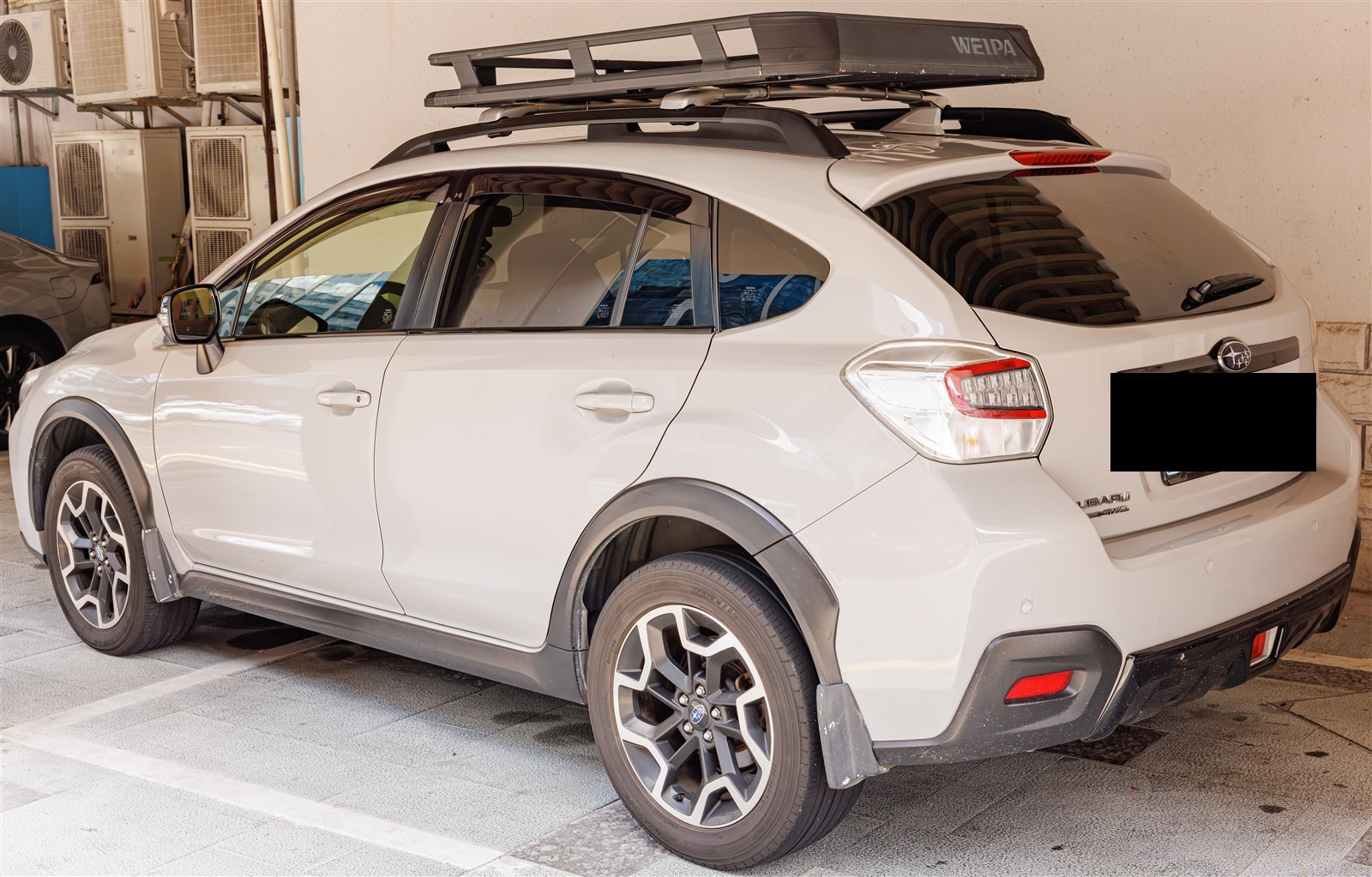
How to Stop Cargo Box Wind Noise

Written by

in

Disclosure: This article contains affiliate links. I may earn a commission at no extra cost to you.

Adding a cargo box is an easy way to gain storage, but it can also introduce additional wind noise.

Some extra sound is normal, especially at highway speeds. Fortunately, noise levels often depend more on the overall setup than the cargo box itself.

For Crosstrek, Forester, and Outback owners, understanding what causes wind noise can help create a setup that is quieter and easier to live with every day.

Why Cargo Boxes Create Wind Noise

Airflow Changes At Highway Speeds

Cargo boxes change how air flows over the vehicle, especially at highway speeds. As air moves around the box and roof rack system, turbulence increases and can create noticeable noise inside the cabin.

The exact amount of noise varies depending on vehicle speed, cargo box shape, and overall setup. Noise that is barely noticeable around town often becomes more apparent on longer highway drives.

Some Noise Is Normal

A certain amount of wind noise is expected whenever accessories are mounted on the roof. Even well-designed cargo boxes create some additional sound because they disrupt the vehicle’s normal airflow.

For most Crosstrek, Forester, and Outback owners, the goal is reducing wind noise rather than eliminating it completely. Minor increases in sound are usually a normal tradeoff for added storage.

Crossbars Often Contribute More Than The Box

In many cases, the crossbars themselves generate more wind noise than the cargo box. Bar shape, width, and how far they extend beyond the roof rails can all influence cabin noise.

This is one reason two vehicles using the same cargo box can sound very different. For many owners, improving the roof rack setup has a bigger impact on noise than changing the cargo box itself.

Common Causes Of Cargo Box Wind Noise

Crossbar Style

Crossbar shape has a major influence on wind noise. Older square and round bars often generate more turbulence, while lower-profile aerodynamic bars are generally quieter.

For many owners, crossbar design has a greater impact on cabin noise than the cargo box itself.

Cargo Box Position

Where the cargo box sits on the roof can affect how air flows around the vehicle. A box positioned too far forward or too high can sometimes increase wind noise.

Small adjustments in box position may help improve airflow and reduce unwanted sound.

Excessive Bar Overhang

Crossbars that extend well beyond the roof rails can create additional wind noise. The exposed portions of the bars may whistle or generate turbulence at highway speeds.

For many setups, minimizing unnecessary overhang helps improve everyday comfort.

Loose Mounting Hardware

Loose mounting points can cause rattles, vibrations, and unusual noises that become more noticeable at higher speeds.

Periodically checking the cargo box and roof rack hardware helps ensure everything remains secure and quiet.

Empty Roof Rack Components

Unused accessories and empty roof rack components can contribute to additional noise. Bike trays, kayak carriers, and other attachments create extra turbulence even when they are not carrying gear.

Removing components that are not being used often helps reduce wind noise and improve overall efficiency.

Crossbar Style Can Make A Big Difference

Aero Bars vs Round Bars

Crossbar shape has a noticeable effect on wind noise. Aerodynamic bars are designed to reduce turbulence and are generally quieter at highway speeds.

Round bars offer broad accessory compatibility, but they can produce more wind noise depending on the setup and vehicle speed.

Factory Crossbars vs Aftermarket Crossbars

Factory crossbars are often designed with daily driving in mind and can provide relatively quiet operation. Aftermarket systems vary widely, with some emphasizing aerodynamics and others prioritizing strength and versatility.

The overall design matters more than whether the bars are factory or aftermarket.

Why Wider Bars Can Create More Noise

Longer crossbars provide additional usable space, but exposed sections outside the roof rails can increase turbulence. Excessive overhang may create whistling or additional wind noise during highway driving.

For many owners, using only as much width as needed helps keep the setup quieter.

Why Some Setups Are Naturally Quieter

Lower-profile components, shorter bar overhang, and streamlined shapes all help reduce turbulence. Vehicle height, roof length, and cargo box placement can also influence how much noise is heard inside the cabin.

This is why two seemingly similar setups can sound very different on the road.

Crossbar TypeNoise LevelEveryday Comfort
Factory Aero BarsLowExcellent
Aftermarket Aero BarsLowExcellent
Round BarsModerateGood
Square BarsHighestFair

Cargo Box Position Matters

Moving The Box Too Far Forward

Placing the cargo box too far forward can increase wind noise by exposing more of the box to direct airflow. It may also affect windshield visibility and place the mounting points outside the recommended range.

For most owners, slight forward positioning works better than pushing the box as far forward as possible.

Moving The Box Too Far Back

A box mounted too far rearward can disrupt airflow and may increase turbulence around the rear of the vehicle. Excessive rearward positioning can also create hatch clearance problems.

In many cases, moving the box forward a few inches improves both usability and airflow.

Why Proper Placement Improves Airflow

Cargo boxes are designed to operate within specific mounting ranges. Staying within those guidelines helps maintain smoother airflow and can reduce unnecessary turbulence.

Small adjustments often have a bigger impact on noise than many owners expect.

Hatch Clearance And Noise Considerations

Rear hatch clearance usually determines the final box position, but airflow should also be considered. A setup that preserves hatch access while keeping the box properly positioned often provides the best balance between convenience and reduced wind noise.

For most Crosstrek, Forester, and Outback owners, proper placement helps improve both everyday usability and highway comfort.

Crosstrek vs Forester vs Outback

Crosstrek Considerations

The Crosstrek’s shorter roof and lower overall profile can help minimize wind noise. However, the compact roof provides less room for positioning adjustments, making setup details more important.

Small changes in crossbar choice and cargo box placement can have a noticeable effect.

Forester Considerations

The Forester’s taller body provides excellent utility, but the added height can make wind noise more noticeable at highway speeds.

Fortunately, its roof offers enough space to fine-tune box position and optimize airflow.

Outback Considerations

The Outback’s longer roof provides the greatest flexibility for cargo box placement. More available space makes it easier to achieve proper positioning, which can help reduce turbulence and unwanted noise.

Many owners find the Outback easier to optimize for both storage and everyday comfort.

Which Subaru Is Quietest With A Cargo Box

No model is automatically quieter than the others. Crossbar style, cargo box design, and overall setup usually have a greater impact on noise than the vehicle itself.

With a properly positioned box and an aerodynamic roof rack system, Crosstreks, Foresters, and Outbacks can all provide a relatively quiet driving experience.

Mistakes That Make Wind Noise Worse

Leaving Unused Crossbars Installed

Crossbars and accessories that are not being used still affect airflow. Empty bike trays, kayak carriers, and other attachments can add unnecessary turbulence and increase cabin noise.

Removing unused components often results in a quieter and cleaner setup.

Choosing Bars Longer Than Necessary

Extra-wide crossbars provide additional carrying space, but excessive overhang can create whistling and turbulence at highway speeds.

For most owners, using only the width needed for their gear helps keep wind noise under control.

Ignoring Loose Hardware

Loose mounting hardware can cause vibrations, rattles, and unusual sounds that become more noticeable as speed increases.

Periodically checking bolts and mounting points helps maintain both safety and quiet operation.

Assuming Bigger Boxes Are Always Better

Larger cargo boxes provide more storage, but they also create more surface area and aerodynamic drag. Bigger boxes can become more noticeable during everyday driving, especially on long highway trips.

For many Crosstrek, Forester, and Outback owners, choosing a box that matches their typical needs results in a quieter and more practical setup.

Does Cargo Box Size Affect Noise?

Small And Medium Boxes

Small and medium cargo boxes are generally less noticeable during daily driving. Their lower profile and smaller surface area often help minimize turbulence and reduce wind noise.

For many Crosstrek, Forester, and Outback owners, these sizes offer a good balance between storage and comfort.

Large Boxes

Larger cargo boxes create more aerodynamic drag and may produce more noticeable wind noise, especially at highway speeds.

However, size alone does not determine how noisy a setup will be. Crossbar style and box design often play an equally important role.

Why Shape Matters More Than Capacity

Two boxes with the same storage capacity can sound very different on the road. Streamlined shapes generally create less turbulence than taller or squarer designs.

For most owners, overall box shape has a bigger impact on noise than cubic-foot ratings.

Why Height Can Matter More Than Length

Height often affects airflow more than length. Taller boxes sit farther into the air stream and may generate additional turbulence and wind noise.

Longer, lower-profile boxes frequently provide similar storage capacity while remaining quieter and easier to live with during everyday driving.

What Actually Works (Based On Real Use)

Aero Bars Are Usually Quieter

For most Crosstrek, Forester, and Outback owners, aerodynamic crossbars help reduce wind noise compared to older round or square designs. Their streamlined shape creates less turbulence and tends to improve everyday comfort.

Proper Positioning Helps

Small adjustments in cargo box placement can make a noticeable difference. Keeping the box within the recommended mounting range and maintaining proper hatch clearance often improves airflow and reduces unwanted noise.

Some Noise Is Unavoidable

Any roof-mounted setup changes airflow and creates some additional sound. Even well-designed systems produce more noise than driving without a cargo box.

The goal is usually reducing noise, not eliminating it completely.

Comfort Matters More Than Chasing Silence

For most owners, a quiet and practical setup matters more than achieving perfect silence. A combination of proper positioning, streamlined components, and realistic expectations usually results in a setup that is easy to live with during both daily driving and long trips.

FAQS

Why is my cargo box so loud?

Wind turbulence, crossbar design, box position, or loose hardware are common causes.

Are cargo boxes supposed to whistle?

Some wind noise is normal, but excessive whistling may indicate airflow or installation issues.

Do crossbars create more noise than the box?

Often yes. Crossbar shape and overhang can contribute more noise than the cargo box itself.

Are aero bars quieter than round bars?

Generally yes. Aerodynamic bars usually produce less wind noise.

Does moving the cargo box forward reduce noise?

Sometimes. Small adjustments can improve airflow, but proper positioning matters more than maximum forward placement.

Do larger cargo boxes make more noise?

They can, but box shape and height often matter more than capacity.

Should I remove crossbars when not in use?

If possible, yes. Removing unused components can reduce wind noise and improve efficiency.

Which Subaru is quietest with a cargo box?

No single model is consistently quietest. Setup and component choice matter more than the vehicle itself.

Why does my cargo box only make noise at highway speeds?

Higher speeds create more airflow and turbulence, making noise more noticeable.

Can loose mounting hardware cause wind noise?

Yes. Loose hardware can create rattles, vibrations, and unusual sounds.

Final Thoughts

For most Crosstrek, Forester, and Outback owners, reducing wind noise is about improving the overall setup, not eliminating it entirely.

There are tradeoffs between storage, versatility, and comfort. In many cases, proper positioning and streamlined components matter more than chasing perfect silence.

As your needs change, factors like crossbar style, cargo box size, and overall roof rack setup become just as important as added storage.

Recommended products:

Related Guides

How Far Forward Should a Cargo Box Sit?

Do Cargo Boxes Affect MPG?

Cargo Box Height Garage Clearance Guide

How to Pack a Cargo Box Efficiently

How to Lift a Cargo Box Onto a Roof Alone

Comments

Leave a Reply

Your email address will not be published. Required fields are marked *