Many Crosstrek, Forester, and Outback owners focus on cargo box size but overlook positioning.
A few inches can make a big difference. Cargo box placement affects rear hatch clearance, stability, and everyday usability.
There is no single position that works for every setup. Roof length, crossbar placement, and box dimensions all play a role.
For most owners, the goal is simple: maintain hatch clearance while keeping the box secure and practical for daily use.
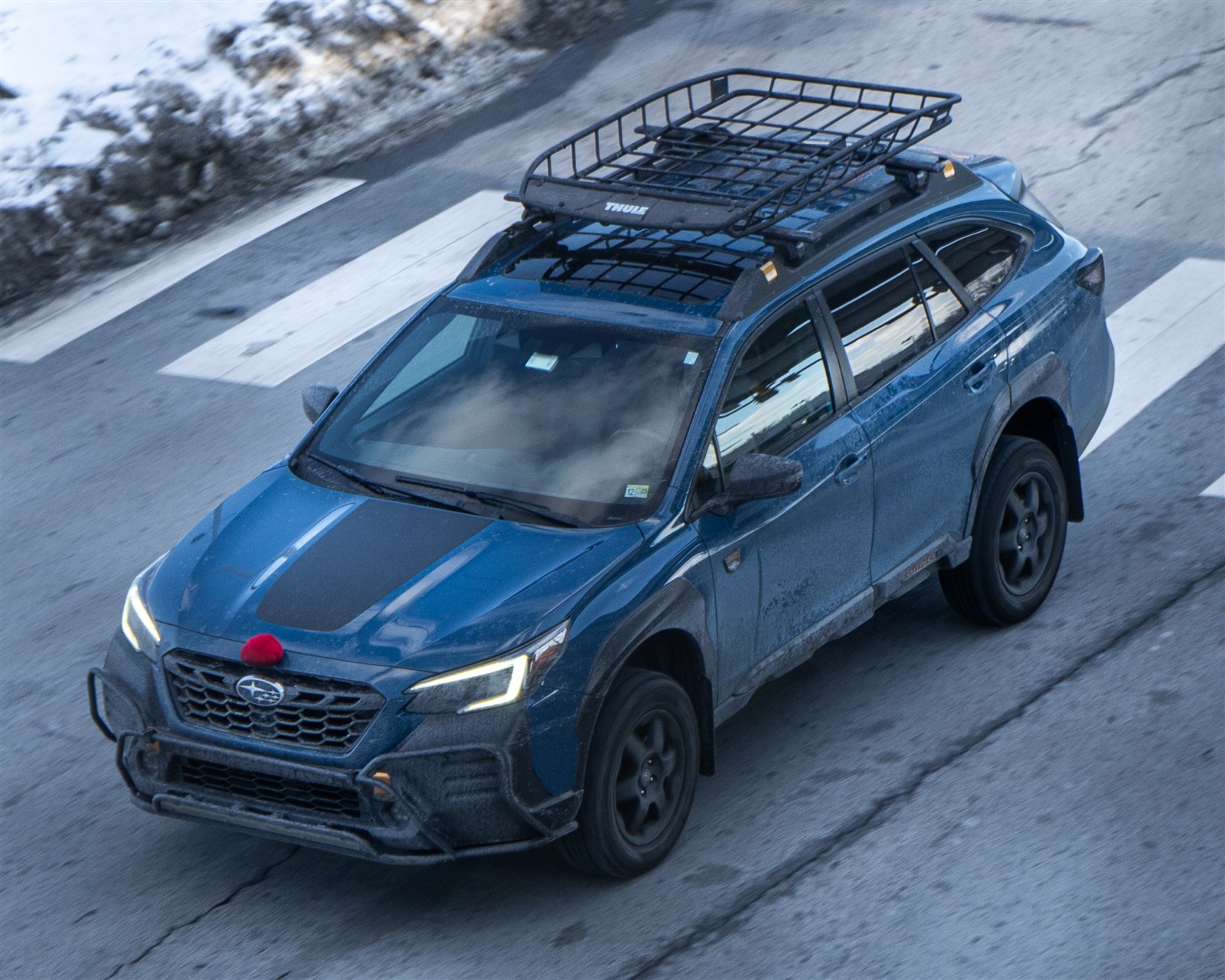
Why Cargo Box Position Matters
Rear Hatch Clearance Is Usually The Biggest Concern
For most Crosstrek, Forester, and Outback owners, rear hatch clearance is the primary reason cargo box position matters. A box mounted too far back can interfere with the hatch and limit how far it opens.
Proper placement helps preserve everyday usability and makes loading and unloading much easier. In many cases, positioning the box correctly matters more than choosing a different size.
Stability Depends On Proper Placement
Cargo boxes are designed to work within specific crossbar locations and bar spread ranges. Positioning the box correctly helps distribute weight and maintain stability during highway driving.
Moving the box too far forward or backward can affect balance and may reduce the effectiveness of the mounting system. Following the recommended range usually provides the best combination of stability and usability.
Every Roof Rack Has Adjustment Limits
Crossbar spacing and roof length determine how much adjustment is available. Some setups provide considerable flexibility, while others allow only limited movement.
Crosstrek, Forester, and Outback owners often discover that ideal cargo box placement depends on the roof rack system as much as the box itself. Understanding these limits helps avoid clearance problems and makes it easier to achieve a practical setup.
Where Most Cargo Boxes Should Sit
Why Perfect Centering Isn’t Always Necessary
Many owners assume a cargo box must be perfectly centered on the roof, but that is rarely required. Small adjustments forward or backward are often necessary to optimize clearance and fitment.
As long as the box remains within the manufacturer’s mounting range, slight changes in position usually have little effect on performance.
Slightly Forward Is Often Ideal
For many Crosstrek, Forester, and Outback owners, positioning the box slightly forward provides the best balance between stability and everyday usability.
Moving the box forward can improve rear hatch clearance while maintaining proper support from the crossbars. In many cases, only a few inches make a noticeable difference.
Why Hatch Clearance Usually Determines Final Position
Rear hatch clearance is often the deciding factor when positioning a cargo box. A setup that allows the hatch to open fully is generally more convenient and easier to live with.
Owners carrying larger boxes may need to prioritize hatch access over perfectly centering the box on the roof.
Following Manufacturer Mounting Ranges
Cargo boxes are designed to work within specific mounting ranges and bar spread requirements. Staying within those guidelines helps maintain proper support and stability.
For most owners, the best position is the one that satisfies the manufacturer’s recommendations while providing enough hatch clearance and everyday practicality.
Crossbar Placement Affects Cargo Box Position
Why Bar Spread Matters
The distance between the front and rear crossbars helps determine where a cargo box can be mounted. Proper bar spread improves support and helps maintain stability during highway driving.
Most cargo boxes are designed to work within a specific range. Staying within those limits helps ensure a secure and practical setup.
Adjustment Flexibility Varies Between Systems
Not all roof rack systems provide the same amount of adjustment. Some allow the crossbars to be moved several inches, while others offer more limited positioning options.
Greater adjustment flexibility can make it easier to optimize hatch clearance and fine-tune cargo box placement. For many owners, the roof rack system influences positioning just as much as the box itself.
Why Some Roofs Offer More Flexibility Than Others
Roof length plays a major role in how much adjustment is available. Longer roofs generally provide more room for crossbar placement and cargo box positioning.
This is one reason Outbacks often offer greater flexibility than Crosstreks, while Foresters fall somewhere in between. More available space can make it easier to balance hatch clearance, stability, and overall usability.
Common Positioning Mistakes
Mounting The Box Too Far Back
Positioning a cargo box too far rearward is one of the most common mistakes. This often reduces rear hatch clearance and can make loading and unloading less convenient.
In many cases, moving the box forward a few inches solves the problem without affecting usability.
Moving The Box Too Far Forward
Pushing the box too far forward can create its own issues. It may interfere with windshield visibility, increase wind noise, or place the mounting points outside the recommended range.
Most owners benefit from slight forward positioning rather than trying to maximize every inch of hatch clearance.
Ignoring Rear Hatch Clearance
Many owners install the box without checking how far the rear hatch opens. A setup that works while parked may become frustrating during everyday use.
Verifying hatch clearance before tightening everything down can prevent unnecessary adjustments later.
Assuming Every Box Fits The Same
Cargo boxes vary in length, shape, and mounting locations. A position that works perfectly for one model may not work for another.
For Crosstrek, Forester, and Outback owners, proper placement depends on the combination of the vehicle, crossbars, and cargo box rather than relying on a single universal position.
Crosstrek vs Forester vs Outback Placement Flexibility
Crosstrek Considerations
The Crosstrek’s shorter roof provides less room for cargo box adjustments. Positioning becomes more important, especially when using longer boxes or trying to maintain rear hatch clearance.
Most owners can achieve a practical setup, but there is generally less margin for error.
Forester Considerations
The Forester offers a good balance between roof length and everyday usability. Its additional roof space provides more flexibility for cargo box placement and makes hatch clearance easier to manage.
For many owners, the Forester offers enough adjustment range without requiring careful compromises.
Outback Considerations
The Outback’s longer roof provides the greatest flexibility for cargo box positioning. Additional roof length makes it easier to optimize hatch clearance while maintaining proper bar spread and stability.
Owners using larger boxes often appreciate the extra adjustment room.
Which Subaru Provides The Most Flexibility
All three models work well with cargo boxes, but the amount of adjustment varies. The Outback generally offers the most flexibility, followed by the Forester, while the Crosstrek requires a little more attention to placement.
For most owners, proper positioning matters more than the vehicle itself, but longer roofs make achieving an ideal setup easier.
| Feature | Crosstrek | Forester | Outback |
| Roof Length | Shortest | Medium | Longest |
| Hatch Clearance Flexibility | Good | Very Good | Best |
| Large Box Compatibility | Good | Very Good | Best |
| Adjustment Range | Limited | Moderate | Excellent |
| Overall Ease Of Setup | Good | Very Good | Excellent |
Large Boxes Require More Attention
Why Length Matters More Than Capacity
Cargo box length often affects fitment more than cubic-foot ratings. Two boxes with similar capacities can have very different lengths, which can significantly impact positioning and hatch clearance.
For many owners, overall dimensions matter more than simply choosing the largest capacity available.
Hatch Interference Becomes More Common
As cargo boxes become longer, rear hatch interference becomes more likely. A box mounted too far back may prevent the hatch from fully opening or reduce access to the cargo area.
Proper positioning can often solve the problem, but larger boxes usually require more attention during installation.
Longer Roofs Make Positioning Easier
Longer roofs provide more flexibility when adjusting cargo box placement. This additional space makes it easier to maintain proper bar spread while still preserving hatch clearance.
Outback owners generally have the most flexibility, while Crosstrek owners may need to pay closer attention to overall box dimensions and mounting position.
What Actually Works (Based On Real Use)
Hatch Clearance Matters More Than Perfect Symmetry
Many owners assume the cargo box needs to sit perfectly centered on the roof. In practice, maintaining rear hatch clearance is usually more important than achieving perfect symmetry.
A setup that allows full access to the rear hatch is generally more useful than one that is visually centered but less practical.
Slightly Forward Is Normal
Many cargo boxes end up sitting slightly forward on the roof. This positioning often helps preserve hatch clearance while maintaining proper support between the crossbars.
As long as the box remains within the manufacturer’s mounting range, a slight forward bias is completely normal.
Most Problems Come From Boxes Sitting Too Far Back
Rear hatch interference is one of the most common complaints with cargo box setups. In many cases, the issue comes from mounting the box too far toward the rear of the vehicle.
Small adjustments in box position can often solve clearance problems without requiring a different box or crossbar system.
Longer Roofs Offer More Flexibility
Longer roofs provide more room to adjust cargo box position while maintaining proper bar spread and hatch clearance. This is one reason Outbacks tend to offer greater flexibility than shorter-roof vehicles.
Regardless of the model, the easiest setup to live with is usually the one that balances fitment, accessibility, and everyday usability.
FAQs
How far forward should a cargo box sit?
Far enough forward to maintain rear hatch clearance while staying within the manufacturer’s mounting range.
Should a cargo box be centered on the roof?
Not necessarily. Hatch clearance and proper support are usually more important than perfect centering.
Can a cargo box sit too far forward?
Yes. Moving it too far forward can affect weight distribution and may exceed the allowed mounting range.
Will moving the box forward improve hatch clearance?
Often yes. Small adjustments forward can help prevent the rear hatch from contacting the box.
Does cargo box position affect stability?
Yes. Proper positioning helps maintain stability and ensures the box is supported correctly by the crossbars.
How much clearance should I leave for the rear hatch?
Enough for the hatch to fully open without contacting the box. A few extra inches provide additional margin.
Do larger cargo boxes require different positioning?
Yes. Longer boxes usually require more attention to maintain hatch clearance.
Which Subaru has the most flexibility for cargo box placement?
The Outback generally offers the most flexibility thanks to its longer roof.
Can crossbar position change where the box sits?
Yes. Crossbar spacing and adjustment range directly affect cargo box placement.
Why does my rear hatch hit the cargo box?
The box is often mounted too far back, or the roof rack system does not provide enough adjustment flexibility.
Final Thoughts
For most Crosstrek, Forester, and Outback owners, cargo box position matters more than perfect centering.
A few inches can make a big difference in hatch clearance and everyday usability. The goal is simply to find a position that works with your roof rack, cargo box, and how you actually use your Subaru.
As your needs change, factors like box size, crossbar placement, and overall fitment become just as important as storage capacity.
Related Guides
• Cargo Box Height Garage Clearance Guide
• How to Stop Cargo Box Wind Noise
• How to Lift a Cargo Box Onto a Roof Alone
Leave a Reply