Disclosure: This article contains affiliate links. I may earn a commission at no extra cost to you.
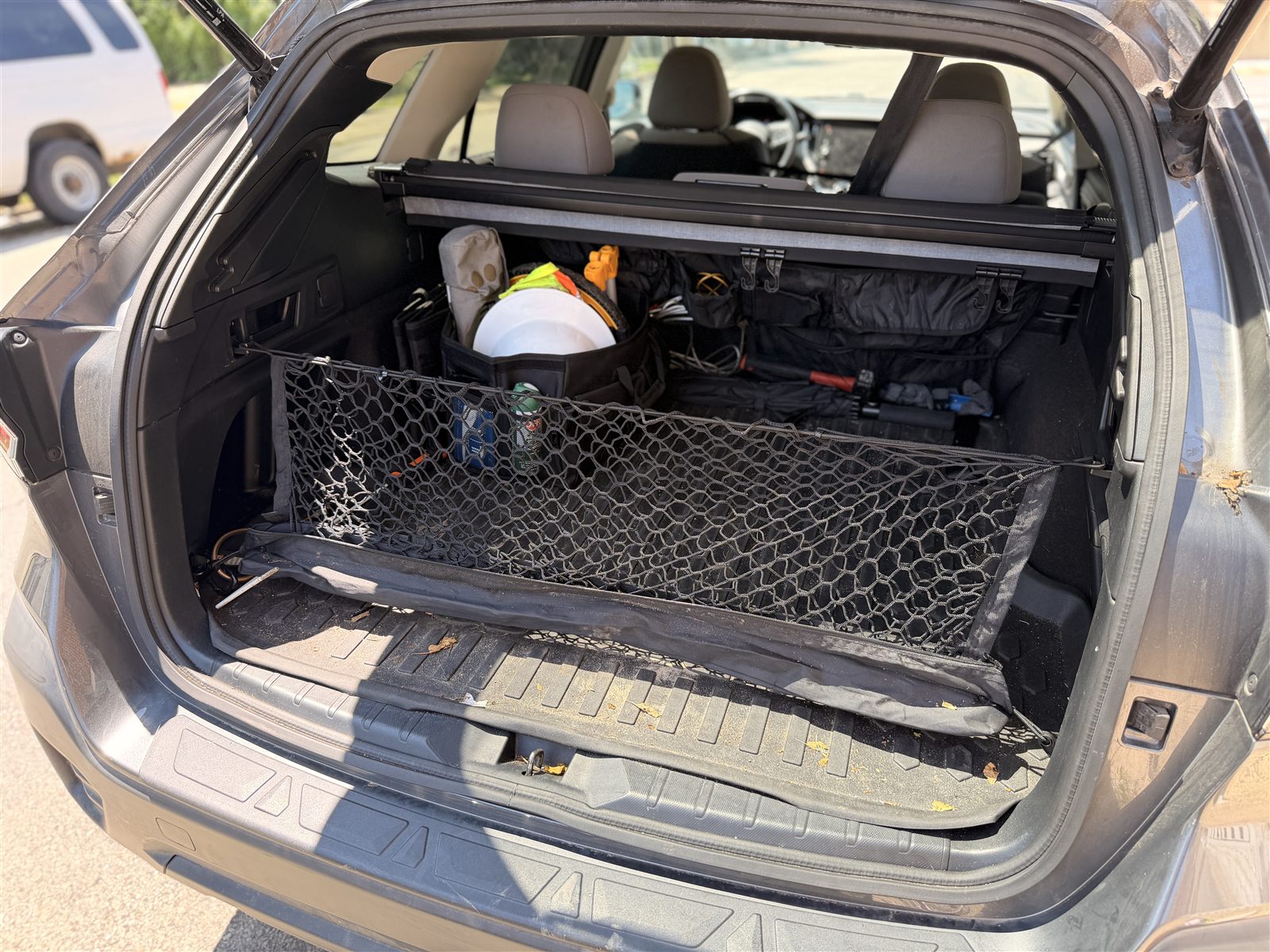
Subaru cargo space usually feels different in real use than it does on paper. Once passengers, bags, coolers, and everyday items are inside the vehicle, usable space changes quickly — the real question isn’t just what fits, but what fits comfortably without making the vehicle harder to live with day to day.
Cargo shape, passenger space, and packing style usually matter more than raw cargo numbers. Open space, flexible packing, and easy access to gear make the biggest real-world difference — and that’s exactly where the Outback, Forester, and Crosstrek start to differ.
Quick Picks
- Best for packing: Soft duffel bags — compress and fit around gear better than rigid luggage.
- Best for organization: Packing cubes — keep everyone’s stuff separated on longer trips.
- Best for flexible storage: Collapsible storage bins — flatten down when they’re not needed.
- Best for overflow: Low-profile roof cargo box — for once interior space runs out.
What Actually Affects Fitment
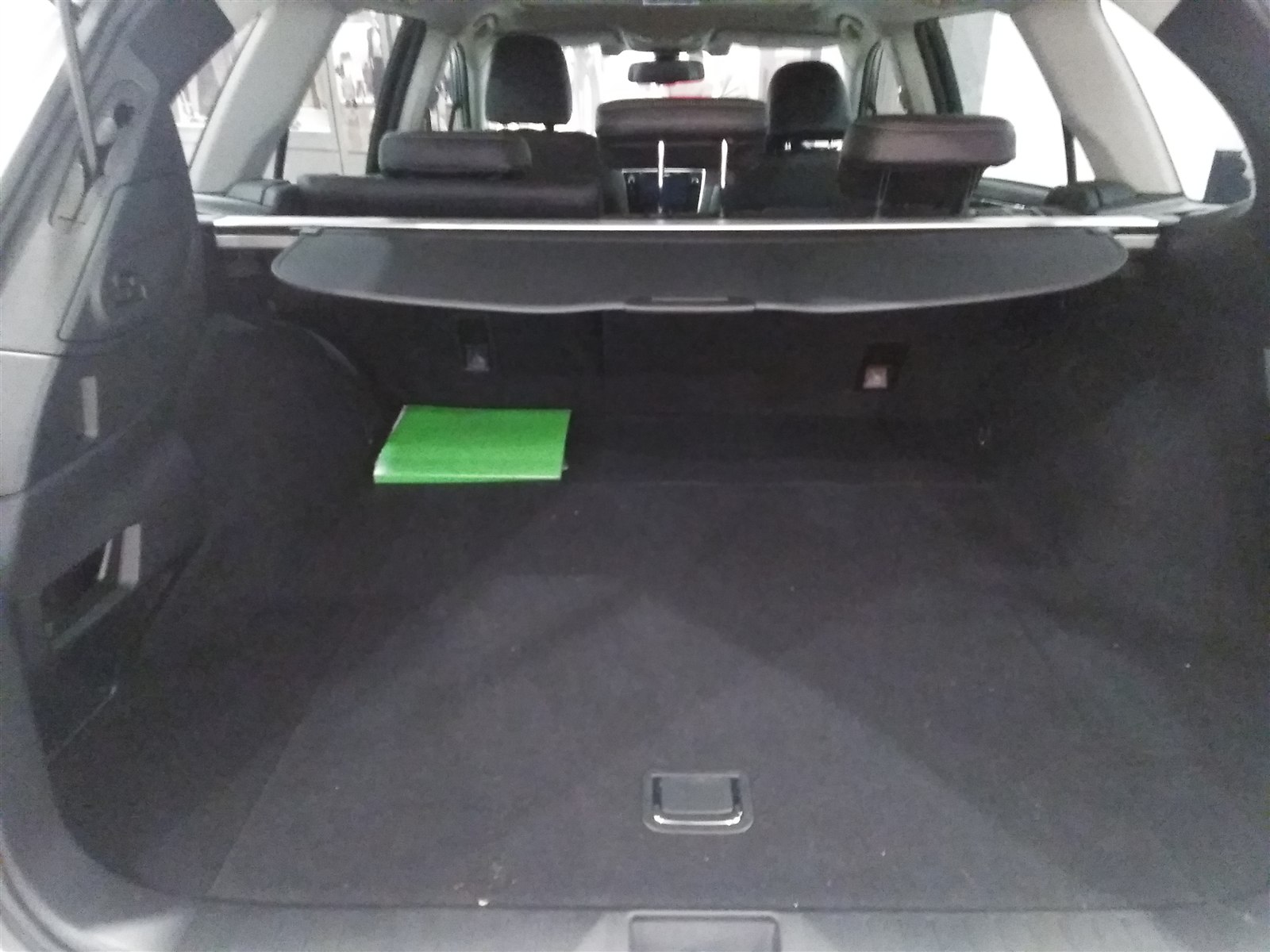
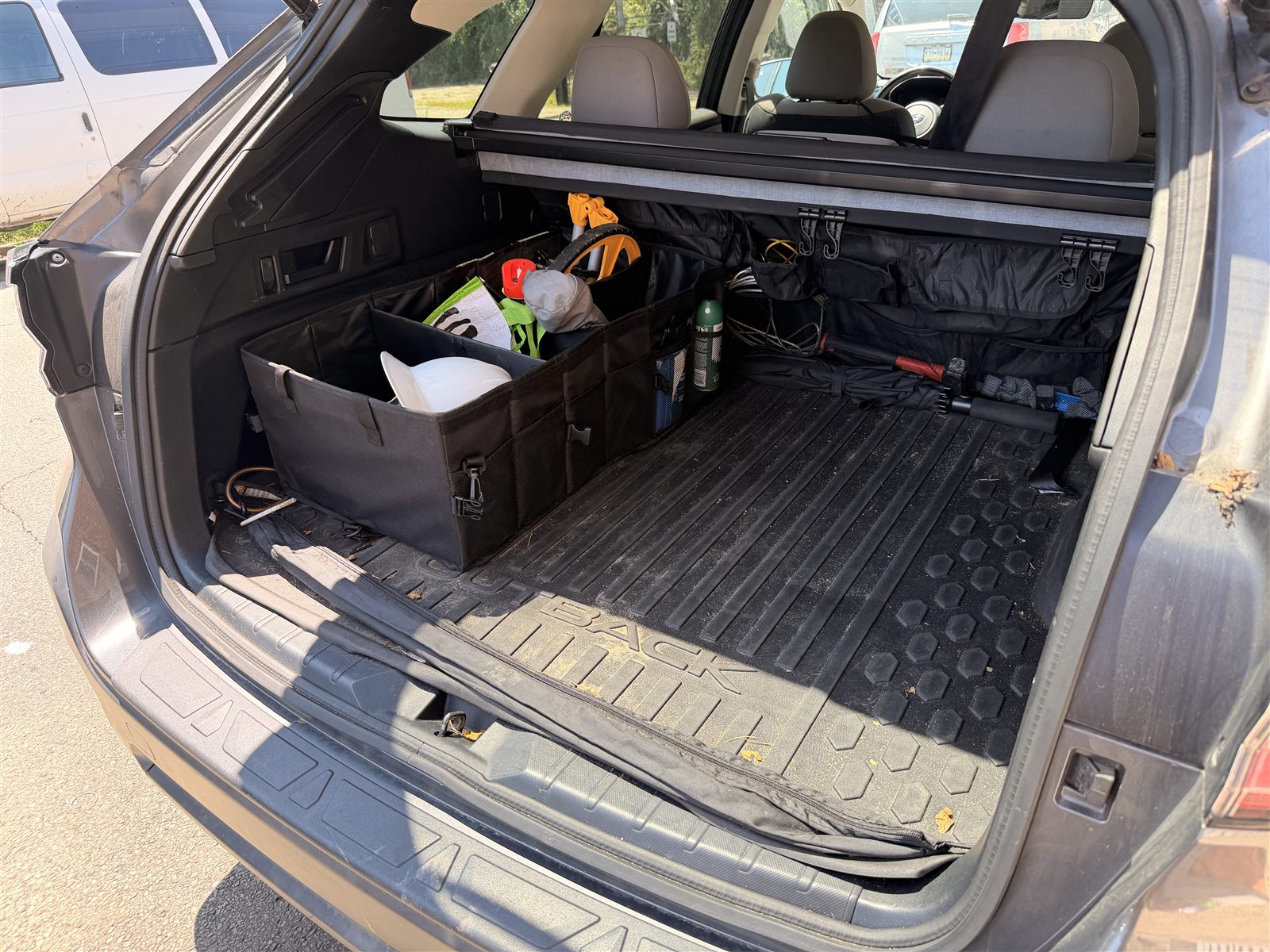
Published cargo numbers don’t tell the whole story. Cargo area length matters most for long gear and moving-day loads. Roof height and hatch opening affect how easily bulky items load in — the Outback’s lower roof height makes this easier than taller SUVs, especially during frequent road-trip stops. Wheel well width affects usable space more than the total cargo number suggests: wide coolers and rigid bins may not fit as cleanly as the raw volume implies, which is part of why soft bags consistently outperform hard cases in a Subaru. Rear seat fold angle also matters — seats that fold flatter make it easier to slide in longer gear.
What Fits for Everyday Use
Groceries, strollers, coolers, and weekend bags all fit comfortably in any of the three models — the real differences show up with bulkier or longer items. The Outback handles larger coolers and travel bags most comfortably; the Crosstrek benefits from simpler packing and smaller loads. A soft-sided cooler fits around passengers and uneven cargo layouts better than a rigid one.
Long sports gear highlights the difference between cargo shape and total size — the Outback usually works best because of its cargo length, while the Forester handles bulkier upright gear well. Dog crates fill space fast once passengers and luggage are added: the Outback fits larger crates best, the Forester’s taller cargo area helps with upright fitment, and the Crosstrek works better for smaller dogs. A foldable dog crate and dog seat cover make pet setups easier to manage on longer trips.
Road Trips and Car Camping
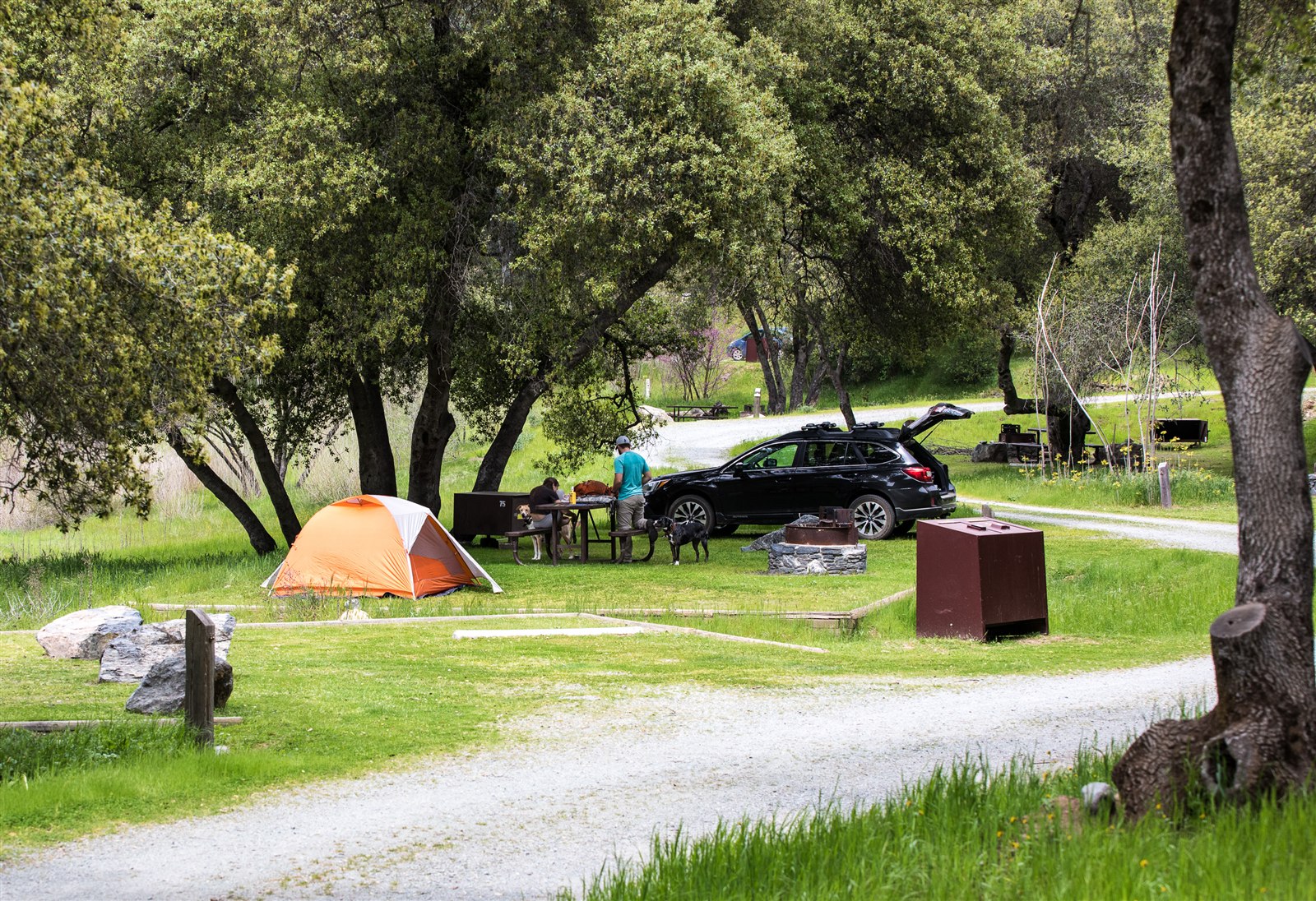
For travel packing, family loads fill space faster than two-person trips — carry-ons stack more predictably than large suitcases, and camping gear without roof storage is where space problems usually start first.
The Outback works best for sleeping inside thanks to its longer cargo area — most adults fit without aggressive seat folding or a complicated setup. Thinner sleeping pads work better than thick air mattresses since they leave more room for gear, which usually has to move to the front seats once the sleeping area is set up. One-person setups are easier to manage in all three models; two-person setups make organization matter a lot more. See our full Subaru Outback Car Camping Setup guide for a complete walkthrough.
Large Items and One-Off Hauls
- Bikes — fit with a seat down in all three models; a bike fork mount keeps interior transport clean.
- Lumber and home improvement materials — the Outback handles shorter boards surprisingly well; longer material needs roof transport or a truck.
- Flat-pack furniture — fits more easily than assembled furniture; the Outback’s longer floor makes large boxes easier to load than the Crosstrek.
- TVs and large electronics — the Outback and Forester handle these more comfortably; the Crosstrek reaches its limit fastest with oversized boxes.
- Moving-day loads — the Outback handles moderate moves well (apartments, dorms, smaller furniture runs); soft bags and stackable boxes fit more efficiently than oversized bins.
Roof Storage vs Interior Storage
Interior space stops being enough once luggage, camping gear, strollers, or coolers start crowding passenger space. Everyday items — snacks, chargers, jackets, valuables — should stay inside within easy reach. Bulky or infrequently used gear works better on the roof. A roof basket suits oversized or dirty gear, though it needs more strapping and weather protection than a box. Maximum capacity doesn’t always make a better setup — easy access and open cabin space usually matter more. See Cargo Box vs Cargo Basket on a Subaru Outback for a deeper breakdown.
Outback vs Forester vs Crosstrek Cargo Space
The Outback usually feels biggest in real use — its longer cargo floor improves flexibility and organization. The Forester feels roomier vertically, though its shorter cargo length shows with longer gear and family packing. The Crosstrek works best with lighter, simpler loads and fills up fastest once passengers, luggage, or camping gear are added.
| Model | Best Strength | Biggest Limitation | Best For |
|---|---|---|---|
| Outback | Long cargo floor and flexible packing | Less vertical cargo height than Forester | Family trips, camping, mixed daily use |
| Forester | Upright cargo space and visibility | Shorter cargo length than Outback | Vertical loads, taller gear |
| Crosstrek | Compact and easy to manage daily | Fills up fastest with passengers or gear | Lighter, simpler loads |
Common Mistakes
- Ignoring hatch clearance. Roof height and hatch opening matter more than most people expect once gear gets bulky.
- Overestimating vertical space. Cargo areas look taller than they feel once coolers, bags, and bins are stacked below the hatch line.
- Packing hard containers too early. Soft bags fit around passengers and uneven spaces more easily, especially in the Crosstrek and Forester.
- Forgetting passenger space. Legroom, child seats, and everyday items reduce usable cargo flexibility faster than most people expect.
- Assuming cargo volume equals usable space. Published cargo numbers don’t reflect real-world usability — shape, floor length, and wheel well spacing matter more than cubic feet alone.
What Actually Works
Soft bags consistently pack better than hard cases — they compress around other gear and leave more flexibility once passengers and everyday items are added. Open space matters more than maximum capacity: overcrowded setups feel harder to manage on longer drives. Most people don’t need roof storage as early as they expect — simpler packing and better organization solve most space problems first. When in doubt, favor smaller, flexible loads over bulk; they’re consistently easier to manage than one big push for maximum capacity.
FAQs
How much can actually fit in a Subaru Outback?
More than most people expect, especially because of its longer cargo floor and flexible layout.
Can the Outback fit a full-size stroller?
Yes. Most full-size strollers fit without issue, though larger strollers reduce usable cargo space quickly once bags and passengers are added.
Is the Outback big enough for family road trips?
Yes for most families — it offers a good balance of passenger comfort, cargo space, and everyday drivability.
Can two people sleep in the back comfortably?
Yes, but comfort depends heavily on height, sleeping setup, and how much gear stays inside the vehicle.
Does the Forester hold more than the Outback?
Not usually in real use. The Forester offers better vertical space, while the Outback feels more flexible because of its longer cargo area.
When do you actually need roof storage?
Usually once luggage, camping gear, strollers, or coolers start crowding passenger space and limiting everyday access.
What’s the biggest limitation of the Outback cargo area?
Height and passenger-related space loss once larger gear, coolers, or family items start stacking inside.
Final Thoughts
The Outback handles more in real use than most people expect, but usable space still depends heavily on passengers, packing style, and trip type. Simpler, more flexible setups usually work better over time than trying to maximize raw capacity — open space and easy access to gear matter more than the cargo number on paper.
Related Guides
• Subaru Road Trip Setup (Family + Space)
• Subaru Outback Car Camping Setup
• Cargo Box vs Cargo Basket on a Subaru Outback
• Best Cargo Box for Subaru Outback
• What Fits in a Subaru Forester?
.jpg)

.jpg)