Disclosure: This article contains affiliate links. I may earn a commission at no extra cost to you.
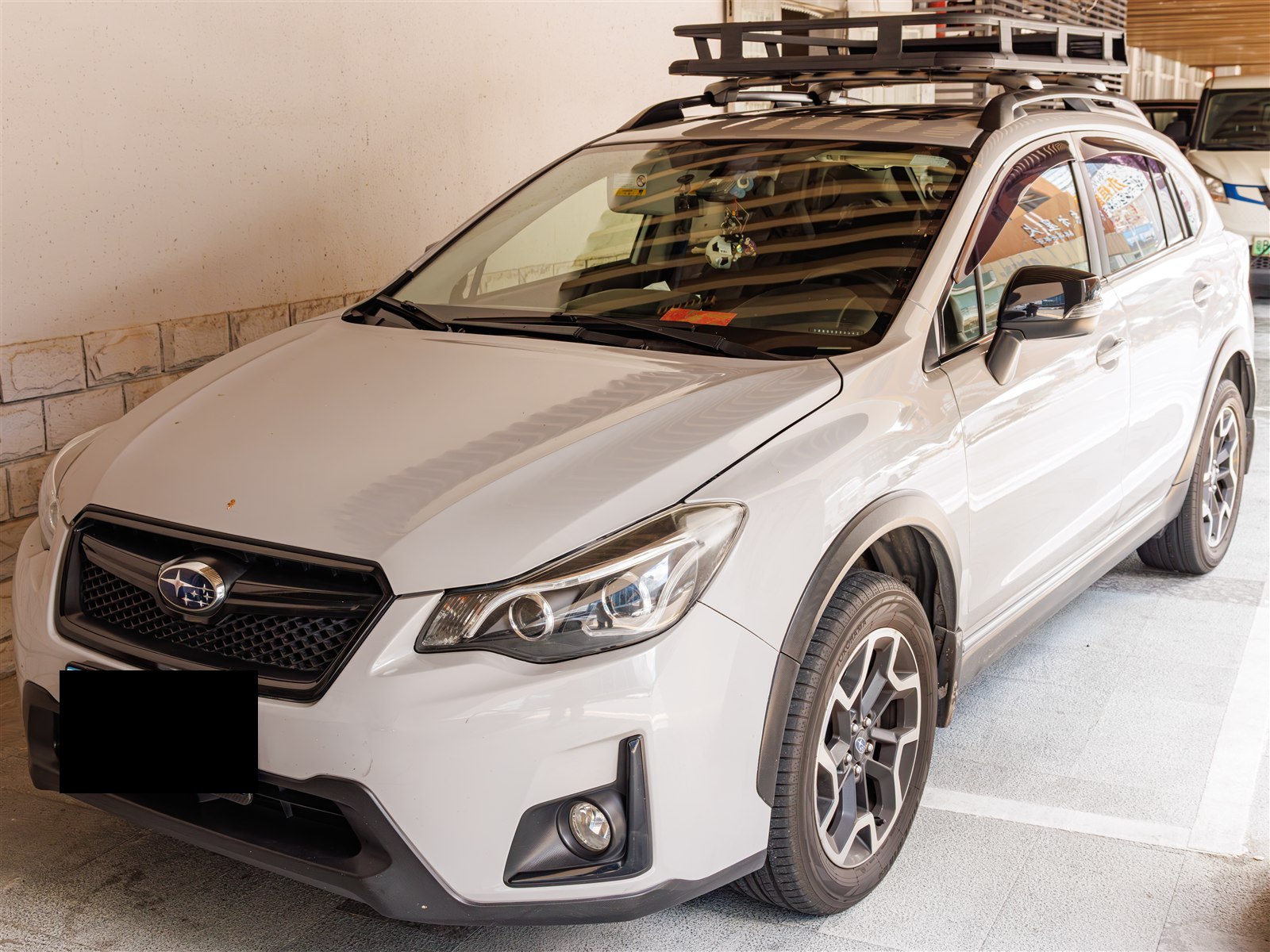
Adding a cargo box gives Crosstrek, Forester, and Outback owners more storage, but packing strategy matters just as much as box size.
A well-packed setup makes road trips, camping weekends, and family travel easier and more comfortable.
For most owners, the goal isn’t simply carrying more gear, it’s maximizing space while keeping important items easy to access.
_China_(11).jpg)
Why Packing Strategy Matters
More Space Doesn’t Automatically Mean Better Organization
Adding cargo capacity does not automatically make packing easier. Without a plan, gear can become difficult to find and the interior can quickly become cluttered.
For many Crosstrek, Forester, and Outback owners, organizing items by frequency of use is more important than simply maximizing available space.
Accessibility Matters During Long Trips
Items needed throughout the day should be easy to reach without unloading half the vehicle. Snacks, jackets, pet supplies, and emergency gear are often better kept inside the cabin or near the rear hatch.
Thoughtful placement becomes especially important during family vacations, camping trips, and multi-day travel.
Proper Packing Improves Convenience
A well-packed Subaru is easier to live with on the road. Keeping heavier items secure and placing frequently used gear in accessible locations helps reduce frustration during stops.
For most owners, convenience comes from balancing cargo capacity with organization rather than trying to fill every available inch of space.
What Should Go In A Cargo Box?
Luggage
Luggage is one of the best uses for a cargo box. Suitcases and duffel bags are bulky but relatively lightweight, making them ideal for freeing up cabin space during family trips and vacations.
Camping Gear
Camping chairs, tents, sleeping pads, and other bulky gear fit well in a cargo box. Moving these items to the roof helps keep the interior organized and leaves more room for passengers and pets.
Sleeping Bags And Pillows
Sleeping bags, blankets, and pillows take up a surprising amount of space but weigh very little. Many Crosstrek, Forester, and Outback owners use their cargo box primarily for these soft items.
Strollers And Bulky Family Items
Strollers, pack-and-plays, and other family gear can quickly fill the cargo area. A roof box provides extra room without overcrowding the cabin, making longer trips more comfortable.
Sports Equipment
Skis, snowboards, fishing gear, and other outdoor equipment are common cargo box items. Keeping dirty or bulky gear outside the cabin helps protect interior space and improve passenger comfort.
What Should Stay Inside The Vehicle
Frequently used items, valuables, electronics, medications, snacks, and emergency supplies are usually better kept inside the vehicle. Easy access becomes especially important during long drives and road trips.
For most owners, the cargo box works best for bulky, lightweight items, while everyday essentials remain within reach inside the cabin.
| Item Type | Cargo Box | Cabin |
| Suitcases | ✓ | |
| Sleeping Bags | ✓ | |
| Camping Chairs | ✓ | |
| Coolers | ✓ | |
| Electronics | ✓ | |
| Pets | ✓ | |
| Valuables | ✓ |
Pack Heavy Items First
Keep Weight Low And Centered
Heavier items should be placed near the center of the cargo box and positioned as low as possible. This helps maintain vehicle stability and reduces unnecessary stress on the roof rack system.
Avoid Loading Everything To One Side
Uneven loading can affect balance and make the vehicle feel less stable. Distributing weight evenly across the cargo box helps improve handling and keeps the load more secure.
Follow Roof Weight Limits
Every Crosstrek, Forester, and Outback has roof load limits that include the weight of the crossbars, cargo box, and gear. Staying within those limits is more important than maximizing every inch of storage space.
Balance Matters More Than Maximum Capacity
Filling a cargo box to its maximum capacity is not always the best approach. A balanced load is usually easier to live with and can improve handling, stability, and overall driving comfort.
For most owners, proper weight distribution matters more than carrying the largest possible load.
Organize By Frequency Of Use
Items Needed Every Day
Snacks, water bottles, chargers, jackets, and other frequently used items are usually best kept inside the vehicle. Easy access reduces the need to open the cargo box during short stops and rest breaks.
Items Needed At Your Destination
Camping gear, luggage, extra clothing, and sports equipment are often only needed once you arrive. These items are good candidates for the cargo box because they free up interior space without sacrificing convenience.
Emergency Supplies
First-aid kits, flashlights, jumper cables, medications, and roadside equipment should remain easy to reach. Keeping emergency items inside the cabin or rear cargo area is usually more practical than storing them on the roof.
Why Accessibility Matters
A well-organized setup makes travel easier. Separating frequently used items from destination gear reduces unnecessary unpacking and helps keep the vehicle more comfortable and organized.
For most Crosstrek, Forester, and Outback owners, packing by frequency of use is just as important as maximizing storage space.
Packing For Different Types Of Trips
Weekend Trips
For short trips, many Crosstrek, Forester, and Outback owners only need a few bags and basic gear. Keeping frequently used items inside the vehicle and placing luggage in the cargo box helps maximize passenger comfort.
Family Vacations
Family travel often involves strollers, toys, coolers, and extra luggage. A cargo box can free up valuable cabin space, making long drives more comfortable for both adults and children.
Camping Trips
Camping gear tends to be bulky rather than heavy. Tents, sleeping bags, chairs, and pads are ideal cargo box items, while food, cooking supplies, and frequently used gear are often easier to access inside the vehicle.
Winter Travel
Winter trips usually require bulky jackets, boots, and snow gear. Keeping wet or dirty equipment outside the cabin helps preserve interior space and makes cleanup easier after the trip.
Road Trips With Pets
Traveling with dogs often means carrying crates, beds, food, and other supplies. Moving luggage and bulky gear to the roof creates more room inside the cabin and helps pets travel more comfortably.
Different trips require different packing strategies, but the goal is usually the same: maximize usable space while keeping important items easy to reach.
| Trip Type | Common Cargo Box Items |
| Weekend Trips | Duffel bags, luggage |
| Family Vacation | Strollers, toys, luggage |
| Camping | Tents, chairs, sleeping bags |
| Winter Travel | Boots, jackets, snow gear |
| Road Trip With Pets | Beds, crates, pet supplies |
Common Packing Mistakes
Overloading The Box
Trying to maximize every inch of space can lead to excessive weight and unnecessary stress on the roof rack system. Staying within the vehicle and cargo box weight limits is more important than filling the box completely.
Putting Frequently Used Items At The Bottom
Burying snacks, jackets, or other commonly used items beneath luggage and gear can make travel frustrating. Keeping frequently needed items accessible helps avoid constant unpacking during stops.
Carrying Too Much Weight Up High
Heavy gear placed on the roof raises the vehicle’s center of gravity and can affect handling. Many owners reserve the cargo box for bulky, lightweight items and keep heavier items inside the vehicle whenever possible.
Ignoring Weight Distribution
Loading one side more heavily than the other can affect balance and stability. Distributing weight evenly across the cargo box helps improve driving comfort and keeps the load secure.
Wasting Space
Poor organization can leave empty gaps while making the cargo box harder to use. Grouping similar items and packing efficiently often creates more usable space without adding extra gear.
For most Crosstrek, Forester, and Outback owners, thoughtful packing matters more than simply carrying the maximum amount of cargo.
Crosstrek vs Forester vs Outback
Crosstrek Considerations
The Crosstrek has the smallest cargo area of the three models, so owners often see the biggest improvement from adding a cargo box. Extra roof storage can make weekend trips and family travel much easier without sacrificing passenger space.
Forester Considerations
The Forester already offers generous interior room, but a cargo box provides additional flexibility for camping gear, sports equipment, and family vacations. The taller roof also makes loading and unloading relatively easy.
Outback Considerations
The Outback combines a spacious interior with a long roof, making it especially well suited for larger cargo boxes. Many owners use the extra space to keep the cabin comfortable during longer trips.
Which Subaru Benefits Most From A Cargo Box?
All three models benefit from additional roof storage, but the greatest advantage often goes to the Crosstrek because of its smaller cargo area. The Forester and Outback already provide more interior space, though both become even more versatile with a well-packed cargo box.
Ultimately, the biggest benefit depends less on the vehicle and more on how often you travel and how much gear you typically carry.
What Actually Works (Based On Real Use)
Soft Bags Usually Use Space More Efficiently
Soft duffel bags and flexible storage bags conform to the shape of the cargo box better than rigid suitcases. Many Crosstrek, Forester, and Outback owners find they can fit more gear without increasing box size.
Frequently Used Items Should Be Easy To Reach
Items needed during the trip are best kept inside the vehicle or near the top of the load. Easy access reduces the need to unpack the cargo box during fuel stops and rest breaks.
Heavy Gear Should Stay Low And Centered
Keeping heavier items low and evenly distributed helps maintain stability and improves overall driving comfort. Bulky, lightweight gear is usually better suited for the roof.
Packing Smart Matters More Than Having A Bigger Box
A larger cargo box does not automatically make travel easier. Thoughtful organization and efficient packing often provide more usable space than simply choosing the biggest box available.
For most owners, how you pack matters more than how much space you have.
FAQs
What should I put in a cargo box?
Bulky, lightweight items like luggage, camping gear, sleeping bags, strollers, and sports equipment.
What should not go in a cargo box?
Valuables, electronics, medications, and frequently used items are usually better kept inside the vehicle.
How much weight can I put in a cargo box?
Follow the cargo box and vehicle roof weight limits. Capacity varies by setup.
Should heavy items go in the cargo box?
Generally no. Heavy gear is usually better kept low inside the vehicle.
Can I put a cooler in a cargo box?
Yes, as long as it fits and stays within weight limits.
Should electronics stay inside the vehicle?
Yes. Electronics are easier to access and better protected inside the cabin.
How do I maximize cargo box space?
Use soft bags, pack efficiently, and avoid wasting space.
How do I organize luggage in a cargo box?
Place less frequently used items at the bottom and keep similar items grouped together.
Can I overload a cargo box?
Yes. Exceeding weight limits can affect safety and vehicle handling.
Which Subaru benefits most from a cargo box?
The Crosstrek typically sees the biggest benefit because of its smaller cargo area.
Final Thoughts
For most Crosstrek, Forester, and Outback owners, smart packing matters more than having a bigger cargo box.
The right setup depends on your gear and how you travel. As your needs change, factors like box size, weight distribution, and roof rack setup become just as important as storage space.
Recommended product:
Related Guides
• Best cargo box for Subaru outback?
• Roof Weight Limits for Crosstrek, Forester, and Outback
• How Far Forward Should a Cargo Box Sit?
Leave a Reply