Disclosure: This article contains affiliate links. I may earn a commission at no extra cost to you.
Subaru cargo space usually feels different in real use than it does on paper. Once passengers, bags, coolers, and everyday items are inside the vehicle, usable space changes quickly.
For most Crosstrek, Forester, and Outback owners, the real question is not just what fits, but what fits comfortably without making the vehicle harder to live with during daily driving and road trips.
In real use, cargo shape, passenger space, and packing style usually matter more than cargo numbers alone. Open space, flexible packing, and easier access to gear often make the biggest difference.
Why Cargo Space Feels Different in Real Use
Open Space vs Usable Space
Cargo space feels different in real use once passengers, bags, and everyday items are inside the vehicle.
In real use, a setup can hold more gear while still feeling cramped and harder to manage during long drives.
Usable space usually matters more than maximum capacity. Open cabin space and easier access to everyday items typically makes road trips feel more comfortable over time.
Why Shape Matters More Than Total Cubic Feet
Cargo space shape usually matters more than total cubic feet during family road trips.
In real use, longer and more open cargo areas are easier to pack and organize than taller spaces with awkward layouts.
That is why the Outback often feels easier to manage for road trips, even when other vehicles offer similar overall cargo numbers.
The Difference Between “Fits” and “Fits Comfortably”
A vehicle can technically fit everything while still feeling crowded and difficult to manage during a road trip.
In real use, comfort usually disappears once bags, snacks, kids’ items, and everyday gear start filling passenger space.
The best road trip setups leave enough open space for passengers to move comfortably instead of using every available inch for storage.
How Passengers Change Cargo Space Quickly
Cargo space feels much smaller once passengers are inside the vehicle.
In real use, snacks, bags, chargers, and everyday items spread into seating areas faster than most people expect.
That is why simpler packing and keeping open cabin space usually works better for family road trips.
What Actually Affects Fitment in the Outback
Cargo Area Length
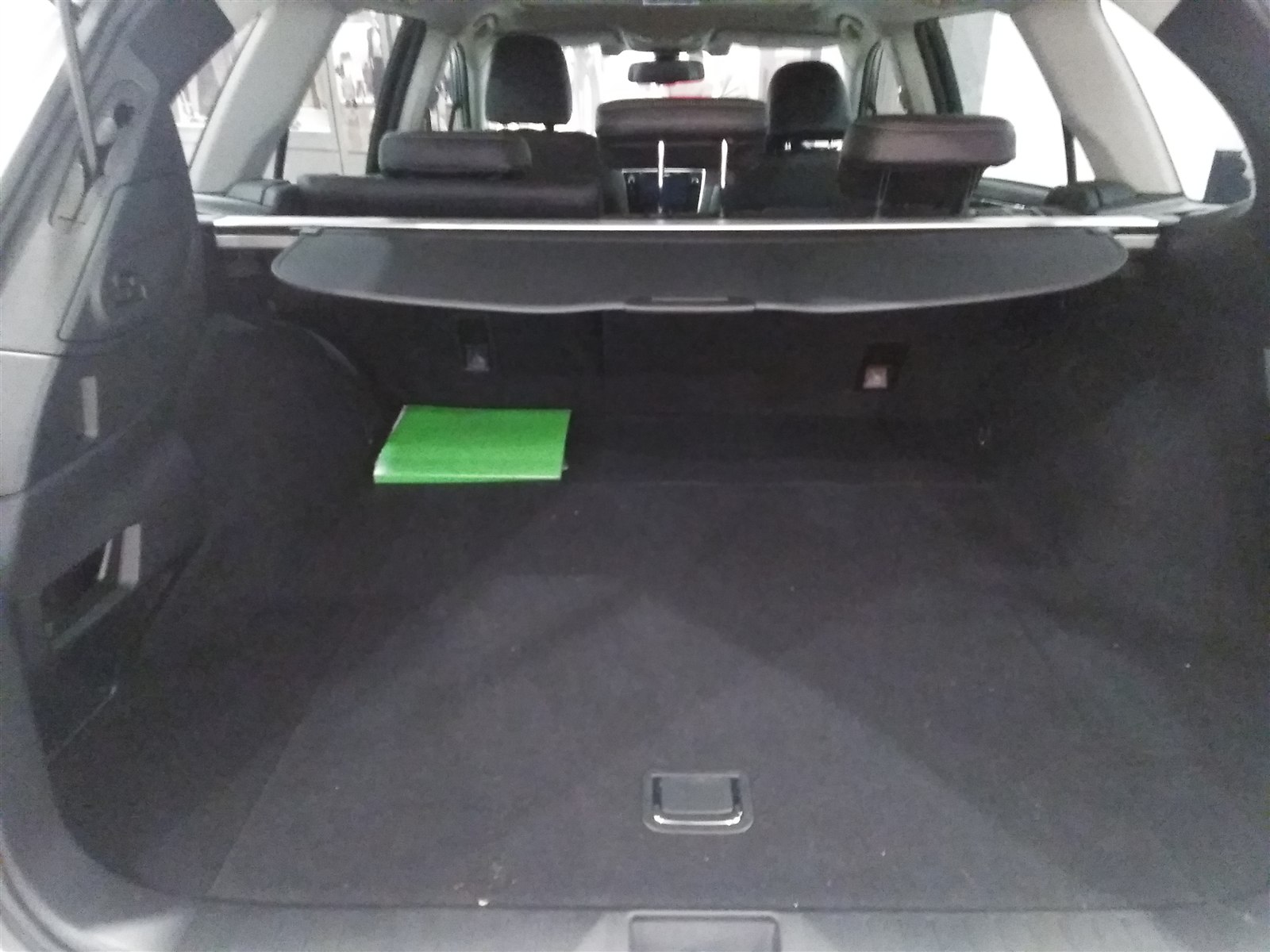
Cargo area length affects real-world fitment more than most people expect in the Outback.
In real use, longer cargo space makes it easier to fit luggage, coolers, strollers, and road trip gear without pushing items into passenger areas.
That extra length is one reason the Outback usually feels easier to pack and organize for longer family trips.
Rear Seat Position
Rear seat position affects usable cargo space more than most people expect in the Outback.
In real use, passengers needing more legroom pushes seats farther back and reduces space for longer gear behind them.
That is why cargo fitment often changes depending on how many passengers are inside and how the seats are adjusted during the trip.
Roof Height and Hatch Opening
Roof height and hatch opening affect usability more than most people expect during loading.
In real use, taller cargo and bulky gear become harder to load once the hatch opening or roof height becomes restrictive.
The Outback’s lower roof height usually makes loading roof cargo easier than taller SUVs, especially during family road trips with frequent stops.
Wheel Well Width
Wheel well width affects usable cargo space more than overall cargo numbers suggest.
In real use, wider coolers, storage bins, and larger luggage may not fit cleanly between the wheel wells even when the cargo area looks large overall.
That is why flexible bags and narrower storage usually work better in the Outback than oversized rigid containers.
Rear Seat Fold Angle
Rear seat fold angle affects usable cargo space more than most people expect.
In real use, seats that fold flatter make it easier to slide in longer gear and organize cargo without awkward gaps or uneven stacking.
That is one reason the Outback usually feels easier to pack for road trips and larger cargo loads.
What Fits for Everyday Use
Groceries and Household Items
All three Subaru models handle normal grocery runs well, but larger household items affect usable space differently.
The Outback usually feels easiest to load for bulk trips, while the Forester handles taller items well. The Crosstrek still works fine for everyday errands, but space fills up faster once larger boxes and bags are involved.
Strollers and Family Gear
Compact strollers fit easily in all three models, but larger strollers reduce usable cargo space quickly.
The Outback usually leaves the most room for additional bags and gear, while the Forester benefits from taller cargo space. The Crosstrek works best with lighter family packing.
Coolers and Weekend Bags
Soft bags usually work better than rigid luggage because they fit around passengers and other gear more easily.
The Outback handles larger coolers and travel bags most comfortably, while the Crosstrek benefits from simpler packing and smaller loads.
Flexible soft duffel bags and compact soft-sided coolers usually fit around passengers and uneven cargo layouts better than rigid luggage.
Sports Equipment
Long gear highlights the difference between cargo shape and overall cargo size.
The Outback usually works best for longer equipment because of its cargo length, while the Forester handles bulkier upright gear well. The Crosstrek may require more seat folding depending on passenger count.
Dog Crates and Pet Gear
Dog crates take up usable space quickly once passengers and luggage are added.
The Outback usually works best for larger crates, while the Forester’s taller cargo area helps with upright fitment. The Crosstrek works better for smaller dogs and simpler pet setups.
Foldable dog crates, dog seat covers, and collapsible travel bowls usually make pet setups easier to manage during longer trips.
What Fits for Travel and Road Trips
Luggage for Two vs Family Packing
Packing for a family fills cargo space much faster than packing for two.
The Outback usually handles family luggage most comfortably, while the Crosstrek benefits from lighter packing and fewer large bags.
Carry-On vs Large Suitcases
Carry-on bags usually fit more efficiently than large rigid suitcases.
Soft luggage is easier to organize around passengers and other gear, especially in the Crosstrek.
Flexible carry-on duffel bags and smaller packing cubes usually fit Subaru cargo areas more efficiently than oversized hard-shell luggage.
Camping Gear and Sleeping Bags
Camping gear changes usable cargo space quickly once tents, sleeping bags, and coolers are added.
The Outback usually handles camping setups most comfortably, while the Crosstrek works best with simpler and lighter packing.
Compact sleeping bags, low-profile sleeping pads, and smaller camp storage bags usually keep the cargo area easier to manage.
Long Trip Packing Without Roof Storage
Longer trips without roof storage usually require simpler packing and better organization.
The Outback handles multi-day travel most comfortably without roof cargo, while the Crosstrek reaches its space limits faster.
What Starts Causing Space Problems
Space problems usually start once oversized luggage, coolers, extra bags, and loose items spread into passenger areas.
In real use, clutter and poor organization make the vehicle feel cramped faster than actual cargo limits.
What Fits for Car Camping
Sleeping Inside the Outback
The Outback usually works best for sleeping inside because of its longer cargo area.
In real use, it offers enough length for many adults without needing aggressive seat positioning or complicated setups.
Mattress and Sleeping Pad Space
Sleeping pads fit more easily than thicker mattresses, especially once additional gear is inside the vehicle.
The Outback handles wider and thicker sleep setups most comfortably, while the Crosstrek benefits from simpler and lower-profile setups.
Thinner sleeping pads usually work better than thick air mattresses because they leave more usable storage space inside the vehicle.
Gear Storage While Sleeping
Gear storage becomes one of the biggest challenges once sleeping space is set up.
In real use, bags, coolers, and everyday items usually need to move to front seats or outside storage once the sleeping area is in use.
One Person vs Two Person Setup
One-person setups are much easier to manage in all three Subaru models.
Two-person sleeping setups are most comfortable in the Outback, while the Crosstrek becomes tight quickly once sleeping pads and gear are added.
What Becomes Difficult Quickly
Space disappears quickly once sleeping gear, clothing, coolers, and everyday items are all inside the vehicle.
In real use, organization and open space matter more than trying to maximize how much gear fits inside.
Car Camping Sleep Setup Comparison
| Setup | Comfort | Storage Impact | Setup Difficulty | Best For |
| Folded Seats Only | Lowest | Minimal | Very easy | Quick overnight trips |
| Sleeping Pad | Good | Low | Easy | Most simple camping setups |
| Air Mattress | Better comfort | Moderate | Moderate | Shorter comfort-focused trips |
| Platform Setup | Highest comfort and organization | Highest | Most complex | Frequent car camping setups |
Large Items the Outback Can Actually Handle
Bikes
The Outback handles bikes well, especially with the rear seats folded.
Front wheel removal usually makes fitment much easier inside the vehicle, while larger mountain bikes may still benefit from a hitch rack for passenger comfort and cleaner loading.
A simple bike fork mount or compact bike repair kit usually makes interior bike transport cleaner and easier to manage.
Lumber and Home Improvement Materials
The Outback handles shorter lumber, trim, and most home improvement materials surprisingly well for a wagon.
Longer boards become harder to manage quickly, especially with passengers inside. In real use, roof transport or a truck becomes more practical once material length increases.
Simple ratchet straps and protective moving blankets usually help secure longer materials without damaging the interior.
Furniture and Flat-Pack Boxes
Flat-pack furniture fits more easily than assembled furniture because the cargo area stays flexible.
The Outback’s longer cargo floor usually makes loading large boxes easier than the Crosstrek, especially for home improvement or apartment runs.
TVs and Large Electronics
Larger TVs and electronics often fit better upright rather than laid flat.
The Outback and Forester usually handle larger electronics more comfortably because of their cargo shape and usable space, while the Crosstrek reaches its limits faster with oversized boxes.
Moving-Day Style Loads
The Outback handles moderate moving loads well, especially for apartments, dorms, and smaller furniture runs.
In real use, soft bags and stackable boxes usually work better than oversized bins because they fit around the cargo area more efficiently.
Roof Storage vs Interior Storage
H3: When Interior Space Stops Being Enough
Interior space usually stops feeling comfortable before it completely runs out.
In real use, roof storage starts making sense once bags, coolers, strollers, or camping gear begin crowding passenger areas and limiting everyday access inside the vehicle.
Cargo Box vs Cargo Basket
Cargo boxes usually work better for family travel because they protect gear from weather and keep loading simpler.
Roof baskets are more flexible for oversized or dirty gear, but they require more straps and weather protection during longer trips.
A low-profile roof cargo box usually works better for road trips, while a roof basket fits oversized or dirty gear more naturally.
What Should Stay Inside the Vehicle
Everyday items usually work best inside the vehicle.
Snacks, chargers, jackets, valuables, and anything needed during the drive should stay easy to reach instead of buried in roof storage.
What Works Better on the Roof
Bulky or less frequently used gear usually works better on the roof.
Camping gear, extra luggage, and larger outdoor equipment are easier to manage outside the cabin once passenger space becomes limited.
Waterproof roof cargo bags and rooftop carriers usually work best for bulky gear that does not need constant access.
Accessibility vs Maximum Capacity
Maximum storage capacity does not always create a better road trip setup.
In real use, easy access to everyday items and keeping open cabin space usually matters more than fitting the most gear possible.
Roof Storage vs Interior Storage
| Setup | Best For | Biggest Advantage | Biggest Tradeoff | Real-World Use |
| Interior-Only | Daily driving and lighter trips | Fast access and simpler loading | Passenger space fills faster | Usually best for shorter trips |
| Cargo Box | Family travel and road trips | Weather protection and cleaner organization | Added wind noise and roof loading | Best once cabin starts feeling crowded |
| Roof Basket | Dirty or oversized gear | Flexible hauling for bulky items | More straps and weather exposure | Better for occasional outdoor gear |
Outback vs Forester vs Crosstrek Cargo Space
Outback (Best Overall Cargo Balance)
The Outback offers the best overall cargo balance for most people.
Its longer cargo area makes it easier to fit luggage, coolers, camping gear, and larger everyday items without crowding passenger space.
Forester (Better Vertical Space)
The Forester stands out for upright cargo space and visibility.
It handles taller items well and often feels more open inside, but the shorter cargo length becomes more noticeable with longer gear and family packing.
Crosstrek (Works Best With Simpler Loads)
The Crosstrek works best with lighter and simpler loads.
It still handles everyday gear well, but space fills up much faster once passengers, luggage, strollers, or camping equipment are added.
Which Subaru Feels Biggest in Real Use
The Outback usually feels biggest in real use because the longer cargo floor improves flexibility and organization.
The Forester feels roomier vertically, while the Crosstrek feels most manageable for daily driving but reaches its cargo limits faster during travel and larger hauling tasks.
Subaru Cargo Space Comparison (Real Use)
| Model | Best Strength | Biggest Limitation | Best For | Real-World Feel |
| Outback | Long cargo floor and flexible packing | Less vertical cargo height than Forester | Family trips, camping, mixed daily use | Feels easiest to organize and pack |
| Forester | Upright cargo space and visibility | Shorter cargo length | Taller gear, dogs, upright storage | Feels open and roomy vertically |
| Crosstrek | Easy daily drivability | Cargo space fills quickly with passengers and gear | Simpler loads and lighter travel | Feels manageable but reaches limits faster |
Common Fitment Mistakes People Make
Ignoring Hatch Clearance
Hatch clearance affects usability more than most people expect.
In real use, longer gear may technically fit inside the vehicle but still become awkward to load or prevent the hatch from closing fully.
verestimating Vertical Space
Cargo areas often look taller than they feel once gear is loaded.
Coolers, stacked bags, and storage bins reduce usable vertical space quickly, especially below the rear hatch line.
Packing Hard Containers Too Early
Hard containers reduce flexibility once the cargo area starts filling up.
Soft bags usually fit around passengers and uneven spaces more easily, especially in the Crosstrek and Forester.
Forgetting Passenger Space
Cargo space changes quickly once passengers are added.
In real use, legroom, child seats, and everyday items reduce usable cargo flexibility much faster than most people expect.
Assuming Cargo Volume Equals Usable Space
Published cargo numbers do not always reflect real-world usability.
Cargo shape, floor length, wheel well spacing, and passenger comfort usually affect fitment more than total cubic feet alone.
What Actually Works (Based on Real Use)
Soft Bags Usually Pack Better Than Hard Cases
Soft bags usually fit Subaru cargo areas more efficiently than hard cases.
They compress around other gear more easily and leave more flexibility once passengers and everyday items are added.
Flexible soft duffel bags and smaller packing cubes usually make Subaru cargo areas easier to organize during road trips.
Open Space Matters More Than Maximum Capacity
Open cabin and cargo space usually matters more than fitting the maximum amount of gear possible.
In real use, overcrowded setups feel harder to manage and more stressful during longer drives.
Roof Storage Helps Later Than People Think
Most people do not need roof storage as early as they expect.
Simpler packing and better organization usually solve space problems before roof cargo becomes necessary, especially in the Outback and Forester.
For many people, a compact cargo box only becomes necessary once strollers, camping gear, or larger family loads start crowding passenger space.
The Outback Works Best With Flexible Packing
The Outback usually works best when gear stays flexible and easy to reorganize.
Soft luggage, smaller bags, and manageable loads make the cargo area easier to use during road trips and everyday driving.
Smaller Loads Feel Easier to Manage
Smaller and simpler loads usually make Subaru road trips feel more comfortable.
In real use, less gear means less clutter, easier access to essentials, and fewer things needing constant rearranging.
Setup Tips Most People Miss
Small setup decisions usually affect usability more than most people expect during Subaru road trips.
Testing storage layouts before buying gear helps avoid wasted space and awkward packing. Keeping heavier items low and forward usually makes the cargo area easier to manage, while leaving one area accessible keeps everyday items easier to reach during long drives.
Packing order also matters. Items needed during stops should stay easiest to access, and avoiding cargo stacked to the roof usually improves comfort and rear visibility throughout the trip.
Smaller collapsible storage bins, utility pouches, and soft bags usually make it easier to reorganize gear during longer drives.
FAQs
How much can actually fit in a Subaru Outback?
The Outback handles more than most people expect in real use, especially because of its longer cargo floor and flexible layout.
Can the Outback fit a full-size stroller?
Yes. Most full-size strollers fit without major issues, though larger strollers still reduce usable cargo space quickly once bags and passengers are added.
Is the Outback big enough for family road trips?
Yes for most families. The Outback offers a good balance of passenger comfort, cargo space, and everyday drivability.
Can two people sleep in the back comfortably?
Two people can sleep in the back, but comfort depends heavily on height, sleeping setup, and how much gear stays inside the vehicle.
Does the Forester hold more than the Outback?
Not usually in real use. The Forester offers better vertical space, while the Outback usually feels more flexible because of its longer cargo area.
When do you actually need roof storage?
Usually once luggage, camping gear, strollers, or coolers start crowding passenger space and limiting everyday access inside the vehicle.
What’s the biggest limitation of the Outback cargo area?
The biggest limitation is usually height and passenger-related space loss once larger gear, coolers, or family items start stacking inside the vehicle.
Final Thoughts
The Outback handles more in real use than most people expect, but usable space still depends heavily on passengers, packing style, and trip type.
For most people, simpler and more flexible setups usually work better over time. Open space, easier access to gear, and manageable packing often matter more than maximizing storage capacity.
From there, it becomes easier to choose the cargo setups, storage solutions, and gear that actually fit how you use your Subaru.
Leave a Reply