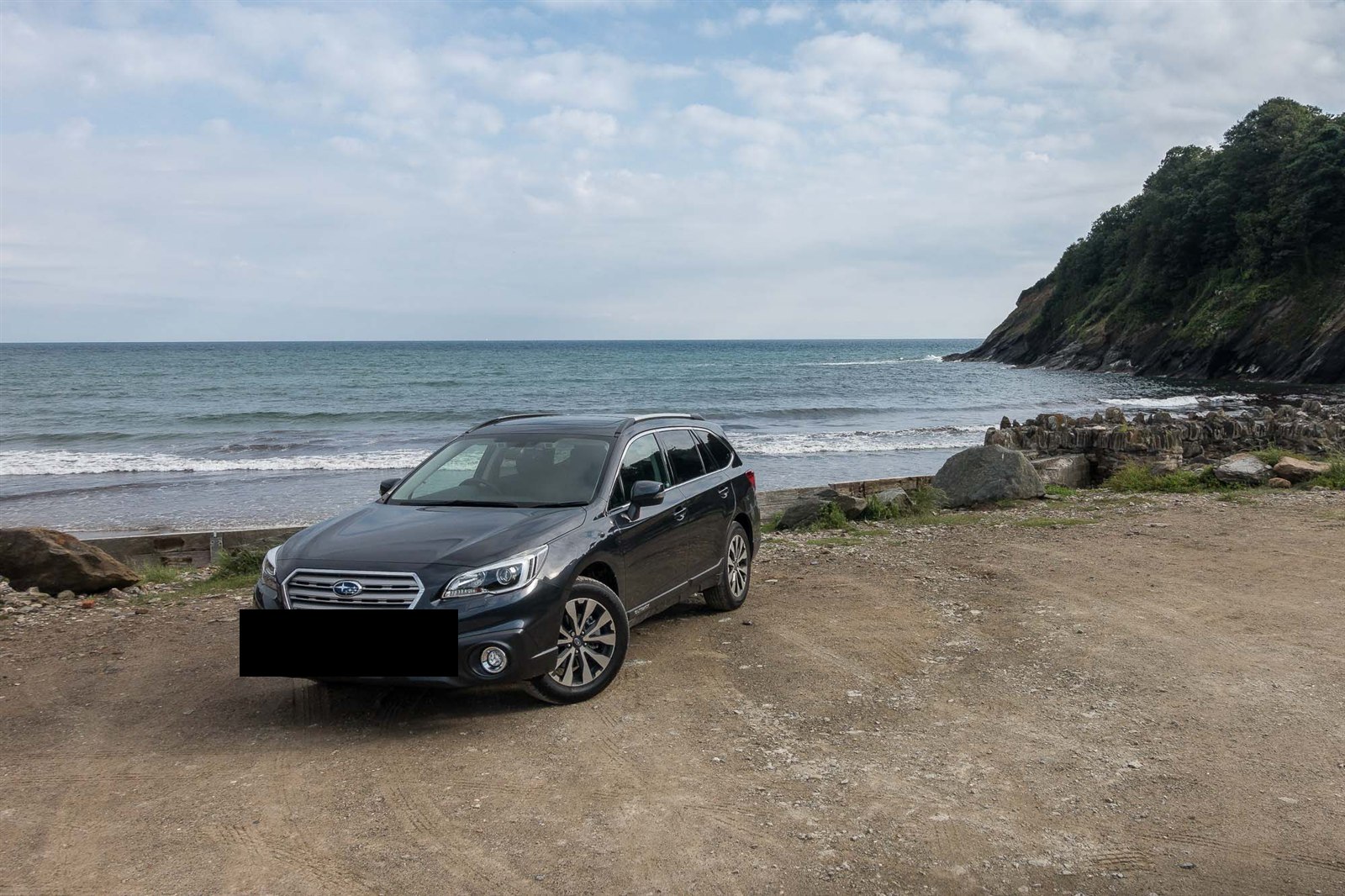
Subaru Road Trip Setup (Family + Space)

Written by

in

Disclosure: This article contains affiliate links. I may earn a commission at no extra cost to you.

Family road trip setups feel spacious while packing, but space disappears quickly once passengers, bags, snacks, and everyday items are inside the vehicle.

For most Crosstrek, Forester, and Outback owners, the challenge is not maximizing storage. It’s keeping the vehicle comfortable, organized, and easy to manage during long drives.

In real use, simpler setups usually work better. Open cabin space, flexible storage, and easy access to essentials matter more than complicated organization systems or oversized cargo setups.

This guide focuses on practical Subaru road trip setups that work well for real family travel, not permanent travel builds or influencer-style setups.

Why Road Trip Setups Fail in Real Use

Space Disappears Faster Than Expected

Road trip setups feel spacious while packing, but usable space disappears quickly once bags, food, passengers, and everyday items are inside the vehicle.

In real use, too much gear makes the cabin feel cramped fast. Simpler setups usually work better because they leave more open space and make the vehicle easier to manage during longer trips.

Clutter Creates Stress on Long Drives

Clutter makes long road trips more frustrating than most people expect.

In real use, loose gear and overloaded storage make items harder to find and the cabin harder to manage over time.

Simpler organization usually works better because it keeps the space easier to use during long drives.

Why Convenience Matters More Than Capacity

More storage capacity does not always make a road trip setup better.

In real use, easy access to everyday items matters more than fitting the maximum amount of gear possible.

Simpler setups usually work better because they reduce unpacking, rearranging, and unnecessary clutter during the trip.

The Difference Between Daily Driving and Road Trip Use

A setup that works fine for daily driving can become frustrating during a long road trip.

In real use, passengers, food, charging cables, bags, and everyday items start competing for the same space much faster than expected.

Road trip setups usually work better when they stay simple, accessible, and easy to reorganize during the drive.

What Actually Matters in a Family Road Trip Setup

Passenger Comfort

Passenger comfort matters more than maximizing storage on family road trips.

In real use, cramped seating, poor airflow, and clutter make long drives feel exhausting much faster, especially with kids.

Simple organization, easy access to essentials, and keeping open space around passengers usually matters more than carrying extra gear.

Easy Access to Everyday Items

Everyday items become frustrating quickly if they’re buried under bags and road trip gear.

In real use, keeping snacks, chargers, wipes, water, and other essentials within reach makes long drives much easier to manage.

Simple organization usually works better than maximizing storage because it reduces unpacking and constant rearranging during the trip.

Simple backseat organizers, seat gap organizers, and small car trash cans usually make everyday items easier to reach without overcrowding the cabin.

Keeping the Cabin Organized

Cabin organization matters more on family road trips because clutter builds up fast once snacks, bags, chargers, and everyday items start spreading through the vehicle.

In real use, simple storage and keeping items grouped by use makes the space easier to manage during long drives and frequent stops.

The goal is keeping the cabin usable without constantly moving things around.

Flexibility for Different Stops and Activities

Road trip setups work better when the vehicle can adapt quickly to different stops, passengers, and daily activities.

In real use, rigid storage and overloaded packing make quick transitions more frustrating, especially during family trips.

Simpler and more flexible setups usually work better because they’re easier to reorganize throughout the day.

Managing Trash, Snacks, and Daily Mess

Mess builds up quickly on family road trips, especially during longer drives and frequent stops.

In real use, snacks, wrappers, wipes, and loose items spread through the cabin faster than most people expect.

Simple cleanup systems and keeping small trash areas easy to reach usually makes the vehicle feel much more manageable over time.

Small hanging car trash cans, leakproof snack containers, and compact wipes packs usually make cleanup much easier during longer family trips.

Preventing Constant Rearranging

Road trip setups become frustrating fast when everything needs to be moved to access basic items.

In real use, keeping gear grouped by use and limiting unnecessary storage usually makes the vehicle easier to manage during long drives and frequent stops.

Simple layouts work better because they reduce unpacking and constant shifting throughout the trip.

Cargo Space vs Passenger Space

Why Overloading the Cabin Makes Trips Worse

Overloading the cabin makes long road trips more frustrating and exhausting.

In real use, crowded seating areas and loose gear make the vehicle harder to manage during long drives.

Simpler packing usually works better because it keeps passengers more comfortable and the cabin easier to use.

Trunk Storage vs Back Seat Storage

Trunk storage usually works better for larger gear and items you do not need constantly during the drive.

Back seat storage keeps everyday items easier to reach, but too much gear around passengers makes the cabin feel cramped quickly.

In real use, the best setups keep frequently used items accessible without overcrowding passenger space.

What Should Stay Within Reach

Items used constantly during the drive should stay easy to reach.

In real use, water, snacks, chargers, wipes, and small essentials become frustrating quickly if they’re buried under bags and cargo.

Keeping frequently used items accessible usually makes the entire road trip setup feel easier to manage.

What Should Stay in the Cargo Area

Larger bags, extra clothing, backup supplies, and items not used during the drive usually work better in the cargo area.

In real use, moving less frequently used gear out of the passenger space keeps the cabin more comfortable and easier to manage.

The goal is keeping everyday items accessible without overcrowding the seating area.

Balancing Accessibility and Open Space

Road trip setups work best when important items stay accessible without filling every open area in the cabin.

In real use, too much storage around passengers makes the vehicle feel cramped faster than most people expect.

The best setups usually balance quick access with enough open space to keep the cabin comfortable during long drives.

Storage Location Comparison

Setup TypePassenger ComfortAccessibilityCargo CapacityFlexibilityDaily UsabilityBest For
Back Seat StorageLow-MediumBestLowMediumMediumEveryday items and quick access
Trunk StorageHighMediumHighHighHighMost family road trips
Roof StorageHighLowHighestMediumLowLonger trips and bulky gear
Mixed Storage SetupBest overall balanceHighHighHighHighMost families

Interior Organization That Actually Works

Front Seat Organization

The front seats usually become the main access area during long road trips.

In real use, keeping smaller everyday items organized up front makes the vehicle easier to manage without digging through bags or cargo.

Too much front seat storage creates clutter quickly, so simpler organization usually works better.

Rear Passenger Organization

Rear passenger areas get cluttered quickly during family road trips, especially with snacks, toys, chargers, and travel bags.

In real use, keeping items grouped and easy to reach makes the cabin feel less chaotic during long drives.

Simple organization usually works better because it keeps passengers comfortable without overcrowding the seating area.

Trunk Organization

Trunk organization matters more once larger bags, food, and backup supplies start filling the cargo area.

In real use, keeping gear grouped and easy to move makes the vehicle much easier to manage during stops and unpacking.

Simple layouts usually work better because they reduce digging through stacked gear throughout the trip.

Simple collapsible trunk organizers, soft duffel bags, and packing cubes usually work better than oversized bins because they stay easier to reorganize during stops.

Seatback Storage vs Loose Bags

Seatback storage keeps smaller everyday items easier to reach during long drives.

Loose bags offer more flexibility, but they shift around more easily and can create clutter faster inside the cabin.

In real use, a mix of simple seatback storage and manageable bags usually works better than relying heavily on either one.

Simple seatback organizers work well for chargers, snacks, wipes, and smaller travel items that need to stay easy to reach during longer drives.

Managing Kids’ Items Without Overloading the Cabin

Kids’ items fill the cabin faster than most people expect during road trips.

In real use, too many toys, bags, and loose items quickly create clutter and make the vehicle harder to manage.

Keeping essentials easy to reach while limiting unnecessary items usually works better than trying to pack everything.

Roof Storage vs Interior Storage

When Roof Storage Actually Helps

Roof storage usually helps once the cabin starts feeling crowded during longer trips or family travel.

In real use, moving bulky or less frequently used gear outside frees up passenger space and makes the interior easier to manage.

Roof storage works best when it improves comfort inside the vehicle, not just increases how much gear you can carry.

The Downsides of Roof Cargo in Daily Use

Roof cargo adds storage, but it also makes daily driving less convenient.

In real use, loading gear overhead takes more effort, access becomes slower, and the vehicle feels less simple to use day to day.

For many people, roof storage works best when it solves a real space problem rather than staying installed full time.

Cargo Boxes vs Roof Baskets

Cargo boxes usually work better for road trips because they protect gear from weather and keep the setup cleaner and more organized.

Roof baskets are more flexible for bulky or dirty gear, but they require more straps and weather protection.

In real use, cargo boxes fit family travel better, while baskets work better for oversized loads and occasional use.

A low-profile roof cargo box usually works better for family trips, while a roof basket makes more sense for bulkier outdoor gear and irregular loads.

Wind Noise and MPG Tradeoffs

Roof storage usually increases wind noise and slightly reduces fuel economy, especially at highway speeds.

In real use, larger cargo setups make the vehicle feel less quiet and less efficient during long drives.

For many people, the tradeoff is worth it only when the extra storage noticeably improves interior comfort and usable space.

What Should Stay on the Roof vs Inside the Vehicle

Bulky or less frequently used gear usually works better on the roof once interior space gets tight.

Everyday items, valuables, snacks, and anything needed during the drive usually works better inside the vehicle.

In real use, roof storage works best when it improves passenger comfort and frees up usable cabin space.

Bulky gear usually works better in a roof cargo carrier or waterproof cargo bag once passenger space starts feeling crowded.

Roof Storage Comparison

Setup TypeStorage VolumeWeather ProtectionWind NoiseEase of AccessFlexibilityBest For
Cargo BoxHighBestMediumMediumMediumFamily road trips and luggage
Roof BasketMedium-HighLowHighMediumHighDirty or oversized gear
Interior-Only SetupLimitedBestNoneBestHighShorter trips and lighter packing

Subaru Model Differences for Family Road Trips

Outback (Best Overall Balance)

The Outback offers the best balance of passenger comfort, cargo space, and daily drivability for most family road trips.

The longer cargo area helps keep bags and gear out of the seating space, which makes the cabin feel less cramped during longer drives.

In real use, it usually feels easier to organize and more comfortable for family travel than smaller Subaru models.

Forester (Best Visibility and Vertical Space)

The Forester stands out for visibility and upright interior space during family road trips.

The taller cabin makes it feel more open for passengers and helps with loading larger items without the interior feeling cramped.

In real use, the tradeoff is cargo length. The Forester feels roomier vertically, while the Outback usually offers more flexibility for gear and luggage.

Crosstrek (Works Best With Simpler Packing)

The Crosstrek can work well for family road trips, but space fills up much faster than in the Outback or Forester.

In real use, simpler packing and limiting unnecessary gear makes a noticeable difference in comfort and organization.

The Crosstrek usually works best for shorter trips, smaller families, or people prioritizing a smaller daily driver over maximum cargo space.

Which Subaru Handles Family Trips Best

The best Subaru for family road trips depends on how much space, flexibility, and daily usability matter for your situation.

The Outback offers the best overall balance for most families because it combines passenger comfort, cargo space, and road trip usability well.

The Forester works better if upright space and visibility matter more, while the Crosstrek fits simpler packing and smaller family setups best.

Subaru Model Comparison Table

ModelPassenger SpaceCargo FlexibilityRear Seat ComfortRoad Trip UsabilityBest For
OutbackHighBest overall balanceHighBest overallMost families
ForesterHighMedium-HighHighExcellentVisibility and upright space
CrosstrekMediumLowerMediumGood with lighter packingSmaller families and shorter trips

Packing Strategies That Actually Work

Soft Bags vs Hard Containers

Soft bags usually work better because they compress more easily and fit around passengers and other gear.

Hard containers create more structure, but they also take up more fixed space and reduce flexibility.

In real use, soft storage usually fits family road trip setups better.

Flexible soft duffel bags and smaller packing cubes are usually easier to organize around passengers and uneven cargo layouts than rigid containers.

Keeping Frequently Used Items Accessible

Frequently used items become frustrating quickly if they’re buried under bags and cargo.

In real use, keeping snacks, chargers, wipes, water, and small essentials easy to reach makes long drives much easier to manage.

Simple organization usually works better than maximizing storage space.

Zoned Packing (Kids, Food, Emergency, Gear)

Zoned packing makes road trips easier to manage because important items stay predictable and easier to find.

In real use, separating kids’ items, food, emergency supplies, and general gear reduces clutter and limits constant unpacking during stops.

Simple grouping usually works better than trying to organize every item individually.

Small utility pouches, compact packing cubes, and a simple first aid kit usually make important items easier to find during stops.

Avoiding “Everything Buried” Syndrome

Road trip setups become frustrating fast when important items end up buried under luggage and cargo.

In real use, stacked gear leads to constant unpacking and rearranging during stops.

Simpler packing and keeping frequently used items separate usually makes the vehicle much easier to manage.

Packing for Short Stops vs Long Drives

Road trip setups work better when frequently used items stay easy to access during quick stops.

In real use, long drives usually require more comfort items and better organization because the cabin gets harder to manage over time.

Simpler packing layouts usually make both short stops and long driving days less frustrating.

Real-World Family Setup Styles

Minimal Setup (Most Practical)

Minimal setups usually work best for family road trips because they keep the vehicle easier to manage day to day.

In real use, less gear means less clutter, faster packing, and fewer things constantly needing to be moved around.

For most families, simple storage, basic organization, and open cabin space create a more comfortable trip than overloaded setups.

Simple collapsible storage bins and a compact soft-sided cooler are usually enough for most weekend road trips without overcomplicating the setup.

Balanced Setup (Best Overall)

Balanced setups usually work best because they improve comfort and organization without overcrowding the vehicle.

In real use, moderate storage and enough open cabin space keeps the setup manageable during long trips.

For most families, the goal is improving usability without overbuilding the setup.

Large Family Setup

Larger family setups require more organization because space fills up quickly.

In real use, simpler packing and limiting unnecessary gear usually keeps the cabin more comfortable during long drives.

The best setups focus on keeping the vehicle manageable, not maximizing storage everywhere.

Dog + Family Setup

Adding a dog to a family road trip setup makes space and organization more important.

In real use, dog gear, food, and movement inside the cabin can make the vehicle feel crowded quickly.

Simpler packing and keeping open cabin space usually works better than trying to maximize storage everywhere.

A simple dog seat cover, collapsible dog bowl, and portable water bottle usually keeps pet setups easier to manage during longer drives.

Long Weekend vs Multi-Day Trip Setup

Long weekend trips usually work better with simpler packing and minimal gear.

Multi-day trips require more storage, better organization, and easier access to everyday items because clutter builds up faster over time.

In real use, the best setups stay manageable instead of trying to prepare for every possible situation.

Common Problems People Run Into

Too Much Stuff in the Cabin

Too much gear in the cabin makes family road trips feel more stressful and cramped.

In real use, loose bags, extra supplies, and overcrowded seating areas make the vehicle harder to manage during long drives.

Simpler packing usually works better because it keeps passengers more comfortable and everyday items easier to access.

Kids’ Items Taking Over the Vehicle

Kids’ items spread through the cabin faster than most people expect during road trips.

In real use, extra toys, snacks, blankets, and bags quickly create clutter and make the vehicle harder to manage.

Keeping essentials accessible while limiting unnecessary items usually works better than packing for every possible situation.

Poor Access to Snacks or Essentials

Road trips become more frustrating when snacks, wipes, chargers, or other essentials are buried under bags and cargo.

In real use, poor access leads to more unpacking, more stops, and more clutter inside the cabin.

Keeping frequently used items within reach usually makes long drives much easier to manage.

Overcomplicated Storage Systems

Overcomplicated storage usually creates more frustration than convenience during family road trips.

In real use, too many compartments, bins, and fixed organizers make packing slower and everyday items harder to access.

Simpler storage systems usually work better because they stay easier to manage during long drives and frequent stops.

Roof Storage That Creates More Hassle Than Help

Roof storage can create more hassle if it adds complexity without improving usable cabin space.

In real use, oversized roof setups add loading time, wind noise, and daily inconvenience.

Roof storage usually works best when it noticeably improves passenger comfort and interior space.

Lower-profile cargo boxes usually feel easier to live with during daily driving than oversized roof setups designed only for maximum capacity.

What Actually Works (Based on Real Use)

Simpler Setups Are Easier to Maintain

Simpler setups usually stay more practical because they require less rearranging, cleanup, and daily effort.

In real use, overloaded storage and complicated systems become frustrating faster during long trips.

For most families, simpler setups are easier to manage and easier to keep organized over time.

Open Space Matters More Than Maximum Capacity

Open cabin space usually matters more than fitting the maximum amount of gear into the vehicle.

In real use, overcrowded setups feel more stressful and harder to manage during long drives.

The best setups leave enough open space for passengers to stay comfortable throughout the trip.

Accessibility Matters More Than Organization

Perfect organization matters less if everyday items are hard to reach during the drive.

In real use, quick access to snacks, chargers, wipes, and travel essentials makes road trips feel much easier to manage.

The best setups prioritize accessibility without overcrowding the cabin.

Small center console organizers and seat gap organizers usually improve usability more than oversized storage systems during long drives.

Flexible Storage Beats Permanent Systems for Most Families

Flexible storage usually works better because family road trip needs change from trip to trip.

In real use, removable bags and simple organizers are easier to adjust, pack, and reorganize than permanent storage systems.

For most families, flexibility matters more than maximizing storage structure.

Small Comfort Improvements Matter on Longer Trips

Small comfort improvements make a bigger difference than most people expect during long road trips.

In real use, better airflow, easier access to essentials, and keeping open cabin space usually improves the trip more than adding extra gear.

For most families, small usability improvements matter more than complicated upgrades.

Small comfort items like a portable car fan, travel pillow, or rear window shades for kids usually make longer drives feel much easier to manage.

Setup Tips Most People Miss

Small setup decisions make a bigger difference than most people expect during family road trips.

In real use, keeping one area clear and avoiding stacked gear above window height helps the cabin feel less cramped and easier to manage. It also helps to test access to everyday items while seated instead of only while packing.

Separating daily items from emergency supplies usually reduces clutter and unnecessary unpacking during stops. Planning around frequent stops, not just the final destination, also makes long drives easier to manage.

After the first longer trip, most people realize what actually gets used and what simply takes up space.

FAQs

Is the Subaru Outback big enough for family road trips?

Yes for most families. The Outback offers a good balance of passenger comfort, cargo space, and daily drivability without feeling oversized.

Is the Forester or Outback better for families?

The Outback usually works better for overall cargo flexibility and longer trips. The Forester feels more open vertically and offers better visibility.

Do you actually need a roof cargo box?

Not always. Roof storage helps once the cabin starts feeling crowded, but many shorter trips work fine without it.

What’s the best way to organize snacks and kids’ items?

Keep frequently used items easy to reach and separate them from larger luggage and backup supplies.

How do you keep the cabin from getting cluttered?

Simpler packing usually works best. Limiting loose items and keeping gear grouped by use makes the cabin easier to manage.

Is the Crosstrek too small for family trips?

Not necessarily, but space fills up faster. Simpler packing and shorter trips usually work best in the Crosstrek.

What’s the best setup for long road trips with kids?

A setup with open cabin space, accessible everyday items, simple storage, and manageable packing usually works best over long distances.

Final Thoughts

There is no perfect Subaru road trip setup for every family or trip length. What works best depends on your space needs, travel style, and how much daily usability matters outside the trip.

In real use, simpler setups usually work better over time. Open cabin space, flexible storage, and easy access to everyday items matter more than maximizing cargo capacity.

For most Crosstrek, Forester, and Outback owners, the best setup is the one that keeps the vehicle comfortable, manageable, and easy to live with during long drives.

From there, it makes more sense to choose gear based on your actual use case instead of building the most complicated setup possible.

Related Articles

Comments

Leave a Reply

Your email address will not be published. Required fields are marked *