Disclosure: This article contains affiliate links. I may earn a commission at no extra cost to you.
Many Subaru owners assume family road trips are all about maximizing cargo space. In reality, organization, accessibility, and passenger comfort during the actual drive usually matter more. This guide focuses on keeping the cabin organized and comfortable once you’re on the road — for model comparisons and packing-before-you-leave strategy, see our companion Subaru Road Trip Setup guide.
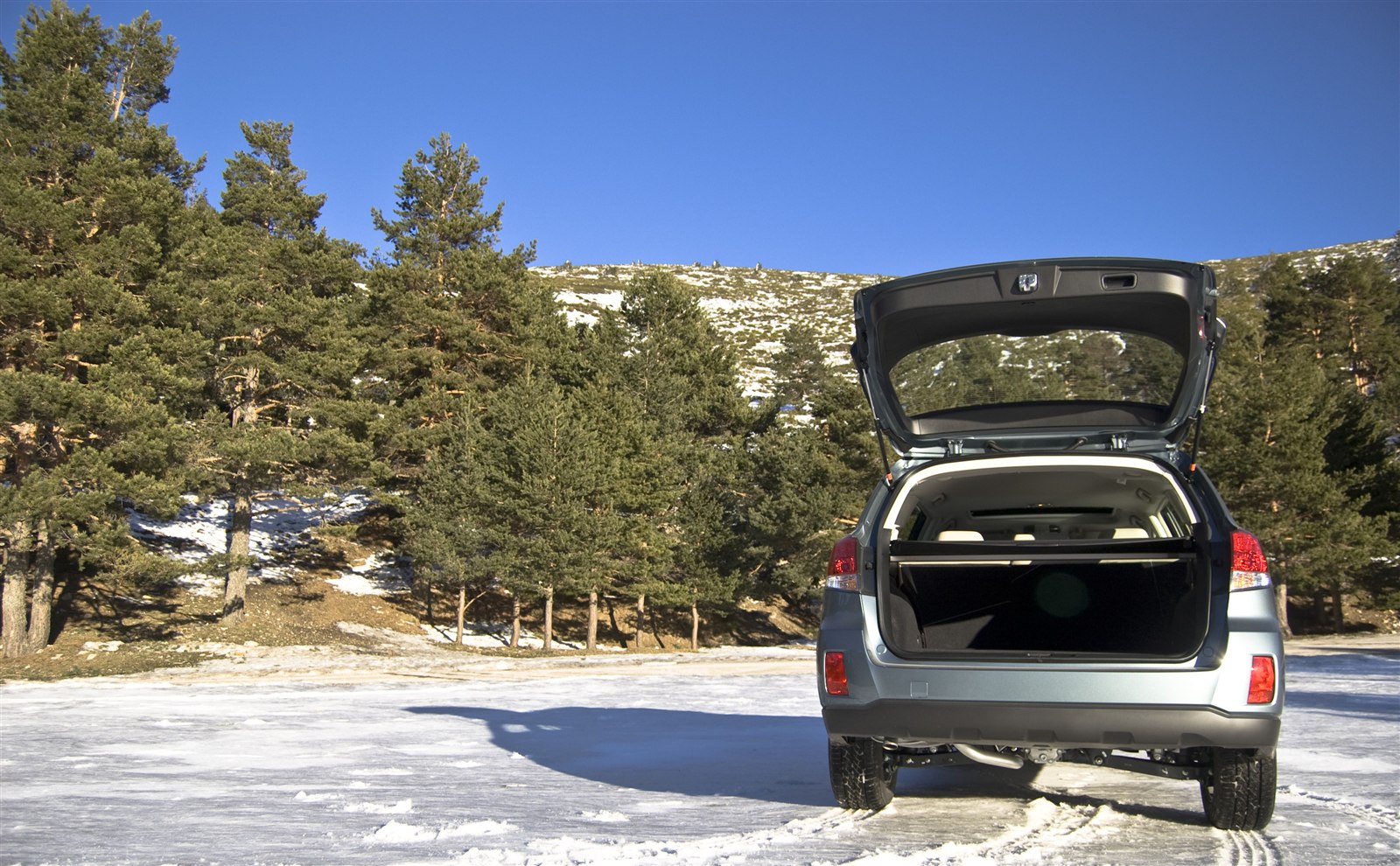
Quick Picks
- Best trunk organizer: Drive Auto Products Collapsible Trunk Organizer
- Best roof box: Yakima SkyBox NX 16
- Best hitch carrier: CURT 18153 Folding Hitch Cargo Carrier
Comfort Over Capacity
Whether you drive a Crosstrek, Forester, or Outback, the goal isn’t fitting more gear — it’s a setup that makes long drives easier and less stressful. Better organization consistently improves the travel experience more than adding extra storage does, and it’s the difference between a trip where everything has a place and one where every stop turns into unpacking the whole cargo area.
Organizing Cargo by Access Frequency
Bulky items you won’t need during the drive — camping gear, folding chairs, sleeping bags, extra luggage, dirty outdoor equipment — are good candidates for roof-mounted or rear cargo storage, freeing up cabin space for what you actually need. Inside the vehicle, the most-used items should be the easiest to reach: jackets, diaper bags, pet supplies, first-aid kits, and roadside essentials belong near the top or near the hatch, not packed in last and buried under everything else. A dedicated bin or cooler for snacks and drinks cuts down on searching and mid-trip unpacking, and the same goes for emergency items — first-aid supplies, jumper cables, flashlights, and tire repair gear should never end up buried beneath luggage. Cargo organizers and nets keep loose gear from shifting during braking and turns, which also makes loading and unloading easier at every stop.
Passenger Comfort
Long trips feel shorter when passengers have room to stretch out — avoid stacking luggage above seat height or filling footwells with gear if you can help it. Kids need more accessible items than adults do: snacks, drinks, toys, blankets, wipes, and spare clothing all need to stay within reach to avoid unnecessary stops and cut down on backseat stress. Phones, tablets, cameras, and navigation devices create cable clutter fast on multi-day trips — plan your charging setup before you leave rather than improvising it at hour three.
Roof Box vs Hitch Carrier
A roof box works well when you need weather-protected storage while keeping full access to the rear cargo area — a good fit for luggage, sleeping bags, and other lightweight gear. A hitch carrier is usually better for bulky items that don’t need to ride inside: coolers, camping gear, firewood, muddy equipment. It also skips the overhead lifting a roof box requires, which matters more on taller vehicles like the Forester. Accessibility is the biggest practical difference — hitch carriers load at waist height, roof boxes require lifting overhead but leave the rear hatch fully clear. For the full breakdown of tradeoffs, capacity, and fuel economy, see Hitch Cargo Carrier vs Roof Box.
Strollers, Coolers, and Bulky Gear
Strollers are often the largest item families bring — since they’re used often, place them near the rear hatch rather than buried beneath luggage, so rest stops and hotel arrivals don’t turn into an excavation. Coolers work the same way: near the hatch if you’ll access it throughout the day, packed deeper if it’s only needed at the destination. Bulkier gear like folding chairs, sports equipment, and camping supplies that isn’t needed mid-drive fits best toward the back of the cargo area or in external storage, so it doesn’t crowd passenger space.
Traveling With Dogs
Pets need more space than most owners expect on longer trips — reserve dedicated space for a crate or rear seat hammock before you start packing luggage around it, not after. Comfort matters as much as space: enough room to lie down and change position, airflow, shade, and regular breaks make a real difference on all-day drives. Keep food, water, bowls, medications, waste bags, and bedding together in one dedicated bin, separate from luggage, so rest stops and overnight stays don’t require digging through the whole cargo area. A dog car seat cover also helps if your pet rides in the back seat rather than the cargo area.
Crosstrek vs Forester vs Outback
The Crosstrek is easy to drive, park, and load, but cargo space is the tradeoff — it gets tight fastest once strollers, coolers, pets, and luggage are all competing for room. The Forester offers excellent passenger space and a tall, upright cargo area that’s especially good for loading strollers and dog crates, though its shorter floor makes long items slightly more awkward than in an Outback. The Outback combines the most cargo capacity with the most comfortable highway ride, making it the strongest fit for longer trips. For the full model comparison, see our Subaru Road Trip Setup guide.
Packing Strategies
Weekend trips favor accessibility over squeezing in every last inch — keep luggage compact and skip anything you’re unlikely to actually use. Week-long trips reward more planning: group items by category (clothing, food, outdoor gear, pet supplies) so loading and unloading stays predictable, and push bulky-but-lightweight items to roof or hitch storage once cabin space runs out. Either way, keep items used during the drive itself — snacks, water, chargers, medications, travel documents — inside the cabin and easy to reach, not buried under luggage.
Common Mistakes
- Bringing too much gear. Packing for every possible scenario usually just means gear that never leaves the vehicle, taking up space and making everything harder to find.
- Blocking access to important items. Snacks, chargers, medications, and pet supplies buried under luggage turn every stop into a repacking job.
- Overloading roof storage. Roof boxes and baskets are best for bulky, lightweight items — heavy gear up top hurts fuel economy, handling, and loading convenience.
- Ignoring passenger comfort. Maximizing cargo space at the expense of legroom and footwell space makes the whole trip feel longer than it is.
- Waiting until departure day to pack. Gaps, forgotten items, and awkward fitment problems show up fastest when there’s no time left to fix them.
What Actually Works
Most families need better organization, not more storage — easy access to what you actually use matters more than maximum capacity. Roof or hitch storage helps most on longer trips once the cabin is already crowded, not as a first move. Keeping the cabin clear, rather than packed to the ceiling, consistently improves how the trip actually feels. Simplicity wins: a setup you can load, use, and repack without thinking about it beats one engineered for a worst-case scenario you’ll rarely hit.
FAQs
Is a roof box worth it for family road trips?
Often yes — it frees up cabin space and improves passenger comfort on longer trips.
Should I use a hitch cargo carrier or roof box?
A roof box is usually better for weather protection and security; a hitch carrier is often easier to load and access.
How do you organize a Subaru for long road trips?
Keep essentials accessible, use cargo organizers, and separate daily-use items from luggage you won’t touch until you arrive.
Where should a stroller be stored during travel?
Near the rear hatch, for quick access without unpacking the entire cargo area.
How do you keep kids comfortable on long drives?
Keep snacks, drinks, entertainment, and charging cables within easy reach, and schedule regular stops.
Does roof storage affect fuel economy?
Usually yes — roof boxes and baskets add aerodynamic drag, especially at highway speeds.
What’s the best way to maximize cargo space in a Subaru?
Pack only what you need, use organizers, keep heavy items low, and move bulky gear to external storage once cabin space runs out.
Final Thoughts
The best family road trip setup is the one that matches how your family actually travels. Comfort, organization, and easy access to essentials usually matter more than maximizing cargo capacity — focus on bringing what you need, keeping the cabin organized, and choosing storage solutions that solve real problems rather than the biggest ones you can find.
Related Guides
• Subaru Road Trip Setup (Family + Space)
• Hitch Cargo Carrier vs Roof Box
• Cargo Box vs Cargo Basket on a Subaru Outback
• Subaru Outback Car Camping Setup
• How to Pack a Subaru for a Family Vacation
• Subaru Adventure Setup: What Actually Works
.jpg)
