Category: Camping & Road Trips

  • Subaru Family Camping Setup

    Disclosure: This article contains affiliate links. I may earn a commission at no extra cost to you.

    Our Subaru Outback Car Camping Setup guide covers sleeping inside the vehicle — a setup that works well for one or two people. Once kids are involved, that changes: three or four people generally don’t fit inside any of the three models comfortably, so most families end up using a tent for sleeping and the Subaru as the gear hauler and basecamp support instead. That’s a different setup with different priorities.

    Quick Picks

    • Best family tent: CORE Instant Cabin Tent — sets up fast, which matters more with kids waiting than tent quality alone.
    • Best cooler: Soft-sided cooler — packs around other gear better than a rigid cooler once the trunk fills up with a family’s worth of stuff.
    • Best for gear separation: Collapsible storage bins — one per person or per category keeps a family’s gear from turning into one undifferentiated pile.
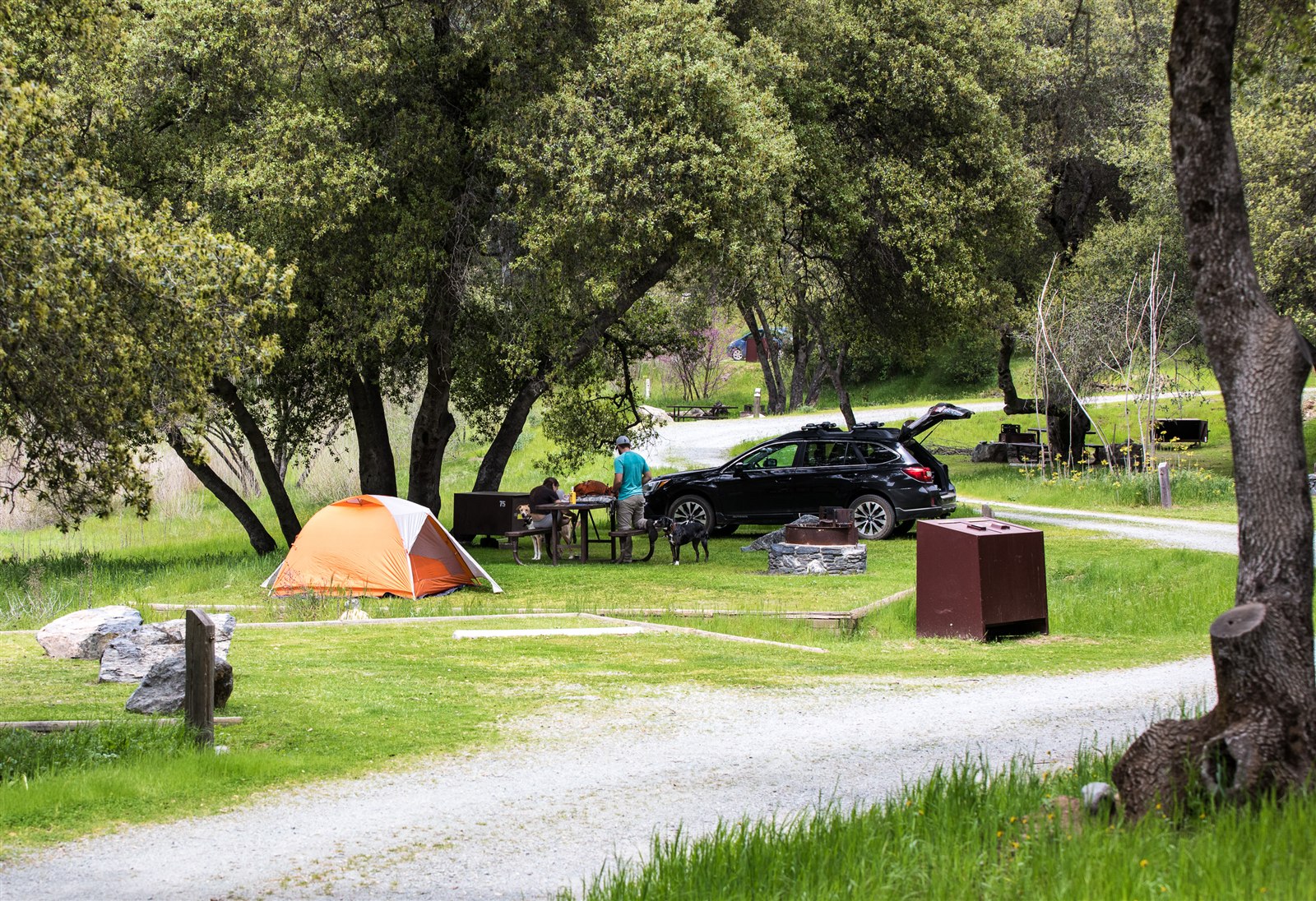
    Subaru Outback parked at a campsite with a tent and dogs nearby

    Why Most Families Need a Tent, Not Just the Vehicle

    Sleeping inside the vehicle works because it’s compact — exactly the quality that makes it a poor fit for a family. Once you’re past two people, the math stops working: there isn’t enough flat sleeping surface in any of the three models, even with seats folded. A tent solves this cleanly and also separates “sleeping space” from “gear space,” which matters more with a family’s volume of stuff than it does for a solo trip. See our Roof Tent vs Ground Tent for Subaru Owners guide for how to choose between the two.

    Keeping Kids’ Gear Separate From Adult Gear

    A family’s camping gear is really several smaller kits — one per kid, plus shared gear, plus adult gear — and mixing them into one pile is where most on-site frustration comes from. A dedicated bin per person or per category (clothes, sleep gear, toys) means anyone can grab exactly what they need without unpacking everything else first.

    Cooking and Eating for a Group vs Solo Cooking

    Solo or two-person cooking is forgiving — a single pot and a cooler cover most of it. Feeding a family means more food volume, more dishes, and more actual cook time, which usually means a dedicated camp kitchen setup (stove, prep space, a real cooler) rather than the minimal single-burner approach that works fine for a solo trip. Budget more setup time for this than you’d expect on the first family trip — it gets faster with repetition.

    Setting Up a Basecamp the Subaru Can Support

    With the vehicle freed from being a sleeping space, it becomes a genuinely useful basecamp anchor instead — parked with the hatch as covered shade or shelter, gear staged in the cargo area within reach, and the roof rack available for a supplemental awning if the site doesn’t offer natural shade. See our Best Awning for Subaru guide if that’s part of your setup.

    What Changes Across Outback, Forester, and Crosstrek for Family Camping

    Since the vehicle is now a gear hauler rather than a bedroom, the differences that mattered for sleeping-in-the-car camping matter less here. The Outback’s longer floor is still the most useful for staging a family’s volume of gear before it gets distributed to the tent. The Forester’s height makes accessing stacked bins from the hatch easier without crouching. The Crosstrek can support a smaller family, but its limited volume means less margin for the “bring extra just in case” gear most family trips accumulate.

    Common Mistakes

    • Trying to sleep a family of four inside the vehicle. It doesn’t work comfortably past two people — plan for a tent from the start.
    • Mixing everyone’s gear into one pile. Slows down every single task at the campsite, not just setup.
    • Underestimating cook time for a group. A single-burner solo setup isn’t enough once you’re feeding more than two people.

    FAQs

    Can a family sleep inside a Subaru while camping?
    Comfortably, generally not past two people. Most families use a tent for sleeping and the vehicle for gear and basecamp support.

    Should we get a roof tent or a ground tent for family camping?
    Depends on setup speed, budget, and how often you’ll use it — see our full Roof Tent vs Ground Tent breakdown.

    What’s the biggest difference between solo car camping and family camping?
    The vehicle’s role changes — from sleeping space to gear hauler and basecamp support — which changes almost everything else about the setup.

    Final Thoughts

    Family camping isn’t a bigger version of solo car camping — it’s a different setup built around a tent and a basecamp instead of sleeping inside the vehicle. Once that shift is made, the actual gear and organization choices get a lot more straightforward.

    Related Guides

  • Subaru Outback Car Camping Setup: Weekend Kit, Layout, and Packing List

    Disclosure: This article contains affiliate links. I may earn a commission at no extra cost to you.

    This is the weekend kit for car camping in an Outback: what to bring, where it goes, and how to switch the car between camp mode and driving mode. For the sleeping surface itself, see Sleeping in a Subaru Outback. For the other models, see Car Camping Setup for a Forester or Crosstrek.

    Subaru Outback parked at a campsite with a tent and dogs nearby
    Photo: blmcalifornia, public domain, via Wikimedia Commons

    How Much Room You Are Working With

    Outback yearsBehind rear seatsSeats folded
    2018-201935.5 cu ft73.3 cu ft
    2020-202532.6 cu ft75.7 cu ft
    202634.6 cu ft80.5 cu ft

    Source: Subaru trim comparison specifications. With the seats folded, the load floor is roughly 75 in long and 44 in wide by one retailer’s estimate, so measure yours. That is enough for one person to sleep at full length with gear beside them, and tight for two once the gear is inside. Anything bulky is better on the roof; see What Size Cargo Box Fits an Outback?.

    Camp Mode and Drive Mode

    The easiest setup is one you can flip in a few minutes. Keep the load floor clear while driving, and move things out of the way at camp instead of building a fixed layout.

    ItemWhile drivingAt camp
    Sleeping padRolled or folded on one sideUnrolled across the folded floor
    Duffels and packing cubesBehind the front seats or on the roofMoved to the front seats or outside
    Cooler or fridgeBehind the passenger seat, in reachOutside, in the shade
    WaterFloor behind the driver seatOutside, near the cooking area
    Cooking kitCargo area, under the other gearOutside on a table or tailgate

    Sleeping Basics

    A simple foam pad such as the HEST Foamy or the Therm-a-Rest MondoKing beats a permanent platform for most weekend trips. Add a camping pillow and a wool blanket. Full pad and mattress comparisons are in the sleeping guide.

    Water, Cooler, and Food

    A common guideline is about 1 gallon of water per person per day for drinking and cooking. A gallon weighs about 8.3 lb, so two people for two nights need about 4 gallons, or about 33 lb. Collapsible water containers take less room once empty; rigid jugs hold up better at a campground.

    Storage That Moves Out of the Way

    Soft storage compresses around the sleeping area; hard bins do not. Use a soft duffel, packing cubes, or collapsible bins for clothes and food, and hard bins only for heavy or fragile gear. More organization ideas are in Subaru Camping Storage Ideas.

    Ventilation and Privacy

    Without airflow, condensation builds overnight, especially in cool weather. Crack two windows on opposite sides. Window bug screens and a USB camping fan cover most setups, and window visors let you keep windows open in light rain. For privacy, foldable sun shades or magnetic window covers install and store faster than anything permanent.

    Weekend Packing List

    • Sleeping pad, pillow, and a blanket or sleeping bag rated for the night temperature
    • Cooler or fridge, ice packs, and a hard water jug or collapsible containers
    • Stove, fuel, pot, and a bin for dishes
    • Headlamp, a small first aid kit, and a trash bag
    • Window covers, bug screens, and a fan
    • Clothes in one duffel, and a separate bag for wet or dirty gear

    Mistakes to Avoid

    • Building too much. A fixed platform and drawer system add weight and cost, and are not needed for a weekend trip.
    • Loading the sleeping area with hard bins. They eat the space you need at night.
    • Cooking inside. Moisture and smell stay in the car.
    • Skipping ventilation. Condensation soaks the bedding by morning.

    FAQs

    Can two people sleep in a Subaru Outback?

    They can fit, but it gets tight once gear is inside. Move gear to the roof or outside the car at night.

    Is the Outback better than the Forester for car camping?

    For length, yes: the Outback has the longer floor. The Forester has more headroom.

    Do I need a sleeping platform?

    Not for most weekend trips. A foam pad plus small foam fillers for uneven spots works well.

    How do I deal with condensation?

    Crack windows on opposite sides, use bug screens, and keep wet gear out of the sleeping area.

    Can you car camp in a Crosstrek?

    Yes, mainly solo or ultra-light. See the Forester and Crosstrek guide.

    Final Thoughts

    Keep it simple: a pad, soft storage, a cooler, and outside cooking. Make the car easy to flip between camp and drive mode.

    Related Guides