Disclosure: This article contains affiliate links. I may earn a commission at no extra cost to you.
The Forester’s extra headroom changes the sleeping experience in ways that don’t show up on a spec sheet — sitting up, changing, and reaching gear are all easier here than in a lower vehicle. The shorter cargo floor is the real tradeoff, and it changes what actually works for sleeping compared to an Outback.
How Much Room You Actually Have
With the rear seats folded, most adults fit, but the shorter floor means a fully flat, fully stretched-out sleeping position isn’t as reliable as it is in an Outback — a slight diagonal angle or a knees-bent position is common, especially for taller sleepers. The upside shows up before and after sleeping: the extra headroom makes getting dressed, organizing gear, or just sitting up to check the weather noticeably easier.
One Person vs Two People
One person fits comfortably, with the extra vertical space actually making solo setup easier than in an Outback. Two people is tighter here than in an Outback — the shorter floor leaves less margin, so a two-person Forester setup rewards minimal gear and a genuinely flat pad more than it does in the longer Outback.
Mattress and Pad Options
A low-profile foam pad like the HEST Foamy is generally the better choice here over a thicker air mattress — a diagonal or angled sleeping position is easier to manage on a thinner, more flexible pad than on a thick air mattress that wants a fully flat surface to stay comfortable. If comfort matters more than packed size, the Luno Air Mattress still works, just with more setup fuss than it takes in an Outback’s longer floor. Foam fillers for the seat-fold gap matter here too, arguably more, since the shorter floor means every inch of usable flat space counts.
Staying Warm (Or Cool) Overnight
The same floor-insulation issue applies here as in any of the three models — a wool blanket underneath a sleeping bag helps more than most people expect. The Forester’s taller cabin does help with condensation slightly, since there’s more air volume overnight, but cracked windows with a bug screen are still worth setting up rather than relying on cabin volume alone.
Taller Sleepers Need to Plan Differently
The shorter floor makes this more relevant in a Forester than an Outback — most sleepers over about 5’10” will notice the length difference. Sleeping at a slight diagonal, or angling knees rather than lying fully flat, is the normal solution rather than a sign something’s wrong with the setup. Test it at home before a trip if you’re not sure it’ll work for your height.
Common Mistakes
Bringing a thick air mattress expecting Outback-level flat space. The shorter floor makes a low-profile foam pad the more forgiving choice.
Planning a two-person setup without testing it first. Tighter than an Outback — worth a trial run before a real trip.
Skipping the seat-fold gap padding. Matters even more here since there’s less total floor length to work with.
FAQs
Is the Forester comfortable enough to sleep in? Yes for most people, especially solo — the extra headroom is a real advantage even though the floor is shorter than an Outback’s.
Can two people sleep in a Forester? Yes, but it’s tighter than an Outback — works best with minimal gear and a low-profile pad rather than a thick mattress.
Do taller people fit in a Forester’s cargo area? Generally, with a slight diagonal sleeping position — the shorter floor makes this more common here than in an Outback.
Final Thoughts
The Forester trades floor length for headroom, and that tradeoff shows up directly in how you sleep — a low-profile pad and a willingness to sleep at a slight angle handle it well. For solo trips especially, the extra vertical space makes the whole experience easier to manage than the shorter floor might suggest.
Disclosure: This article contains affiliate links. I may earn a commission at no extra cost to you.
Our Subaru Outback Car Camping Setup guide covers the full setup — storage, cooking, ventilation, and sleeping. This one goes deeper on just the sleeping part: how much room you actually have, what to sleep on, and how to stay comfortable overnight.
How Much Room You Actually Have
With the rear seats folded flat, the Outback’s cargo floor is long enough for most adults to lie flat without sleeping diagonally — one of the real reasons it’s the most commonly recommended of the three models for this. The floor isn’t perfectly level once the seats fold down, though; small gaps and height differences between the folded seatbacks and the cargo floor are noticeable overnight without padding underneath.
One Person vs Two People
One person fits with room to spare for a bag or two nearby. Two people fit, but the setup stops being forgiving — gear has to move to the front seats, and organization matters a lot more than it does solo. It’s genuinely comfortable for two with a simple setup; it stops being comfortable the moment extra gear crowds the sleeping area.
Mattress and Pad Options Compared
HEST Foamy — a foam pad that handles the uneven seat-fold gap well and packs down small when not in use. The most flexible option for most people.
Therm-a-Rest MondoKing — thicker and more cushioned, at the cost of taking up more packed space when it’s not deployed.
Luno Air Mattress — built specifically to fit the cargo area shape, genuinely comfortable, but takes longer to inflate/deflate than a foam pad.
Milliard Tri-Fold Mattress — folds compactly for storage between trips, a good middle ground on comfort vs. packed size.
Whichever you choose, foam fillers for the seat-fold gap make a bigger comfort difference than most people expect for the cost.
Staying Warm (Or Cool) Overnight
The metal floor under any pad pulls heat away faster than sleeping on the ground with a proper sleeping pad underneath does — insulation from below matters more than most people expect for a vehicle. A wool blanket layered under or over a sleeping bag handles most temperature swings without needing separate cold-weather gear. Condensation is the other overnight issue — cracked windows with a bug screen and a USB camping fan for airflow cut it down significantly.
Taller Sleepers Need to Plan Differently
Most adults fit without adjustment, but taller sleepers (roughly 6’2″ and up) often need to fold both rear seats fully rather than partially, and may still need to sleep at a slight angle. Testing the actual sleeping position at home before a trip — not just measuring — catches this before it becomes a surprise at a campsite.
Common Mistakes
Skipping padding for the seat-fold gap. A small, cheap fix that makes a disproportionate comfort difference.
Assuming a thick mattress is automatically more comfortable. Thicker isn’t always better — it takes up more packed space and isn’t necessary for most people.
Not testing the sleeping position before a trip. Especially important for taller sleepers or anyone trying a two-person setup for the first time.
FAQs
Can a tall person sleep comfortably in an Outback? Most people can, though anyone over roughly 6’2″ may need to fold both seats fully or sleep at a slight angle.
Do I need a sleeping platform? No — a foam pad or air mattress with gap fillers works well for most people without the added weight and space of a platform.
How do you deal with condensation overnight? Airflow is the main fix — cracked windows with bug screens and a small fan handle most conditions.
Is it cold sleeping on the cargo floor? It can be, since the metal floor pulls heat away faster than the ground does — a proper pad and a blanket layered underneath (not just on top) makes the biggest difference.
Final Thoughts
The Outback sleeps one person easily and two people comfortably with a simple, well-thought-out setup. The details that matter most are padding the seat-fold gap, insulating from the floor, and testing the position before a real trip — not the specific mattress brand.
Disclosure: This article contains affiliate links. I may earn a commission at no extra cost to you.
Our Subaru Outback Car Camping Setup guide is built around the Outback’s long, forgiving cargo floor. The Forester and Crosstrek can car camp too, but the setup that works well in an Outback needs real adjustment in either of them — less about different gear, more about different discipline.
The Real Difference Isn’t Comfort, It’s Setup Discipline
An Outback’s length forgives packing mistakes — extra gear left in the wrong spot still leaves enough room to sleep. Neither the Forester nor the Crosstrek offers that margin. Both work fine for car camping, but only if the setup stays intentional: gear goes exactly where it’s supposed to, not wherever there’s room, because there usually isn’t extra room to spare.
Forester Camping: Trade Length for Height
The Forester’s extra headroom is a genuine advantage once you’re set up — sitting up to change clothes or dig through a bag is easier than in a lower vehicle. The tradeoff shows up at sleeping time: the shorter cargo floor usually means sleeping at a slight diagonal, or folding one seat instead of both to steal a few extra inches. A HEST Foamy pad or similar low-profile foam pad works better here than a thick air mattress, since a thinner pad leaves more flexibility for an imperfect sleeping angle.
Crosstrek Camping: Solo or Ultra-Light Only
Being direct about this one: the Crosstrek works for solo camping with minimal gear. It’s not a realistic two-person sleeping setup without real compromise on comfort or gear volume — there just isn’t enough length or width to do both well at once. If you’re regularly camping with a partner, the Outback or Forester will save real frustration; if it’s solo trips with a simple setup, the Crosstrek handles it fine.
Gear That Actually Helps in a Smaller Cargo Area
A foam pad over an air mattress. Air mattresses need more consistent flat space to stay comfortable — a low-profile foam pad tolerates an imperfect surface better.
Soft bags over hard bins. Compress into whatever space is actually left rather than claiming a fixed footprint neither of these two models can spare.
Fewer, more purposeful items. The Outback’s forgiving length rewards bringing extra “just in case” gear; the Forester and Crosstrek punish it.
Common Mistakes
Copying an Outback packing list exactly. The extra gear that fits fine in an Outback often doesn’t leave enough sleeping room in a Forester or Crosstrek.
Planning a two-person Crosstrek sleeping setup. Technically possible, rarely comfortable — plan for solo use or bring a tent instead.
Bringing a thick air mattress into a Forester. A low-profile foam pad handles the shorter floor’s diagonal sleeping angle better.
FAQs
Can you comfortably car camp in a Forester? Yes, with a shorter, more deliberate setup than an Outback needs — the extra height helps, the shorter floor means planning around a diagonal sleeping position.
Can two people sleep in a Crosstrek? Technically, but not comfortably for most people. It works well for solo trips with a simple setup.
Should I get a foam pad or an air mattress for a Forester or Crosstrek? A foam pad, generally — it tolerates an imperfect or angled sleeping surface better than an air mattress needs.
Final Thoughts
The Forester and Crosstrek can both car camp well — they just reward a tighter, more intentional setup than the Outback needs. Match the gear and group size to what the vehicle actually offers, and both work fine for the right kind of trip.
Disclosure: This article contains affiliate links. I may earn a commission at no extra cost to you.
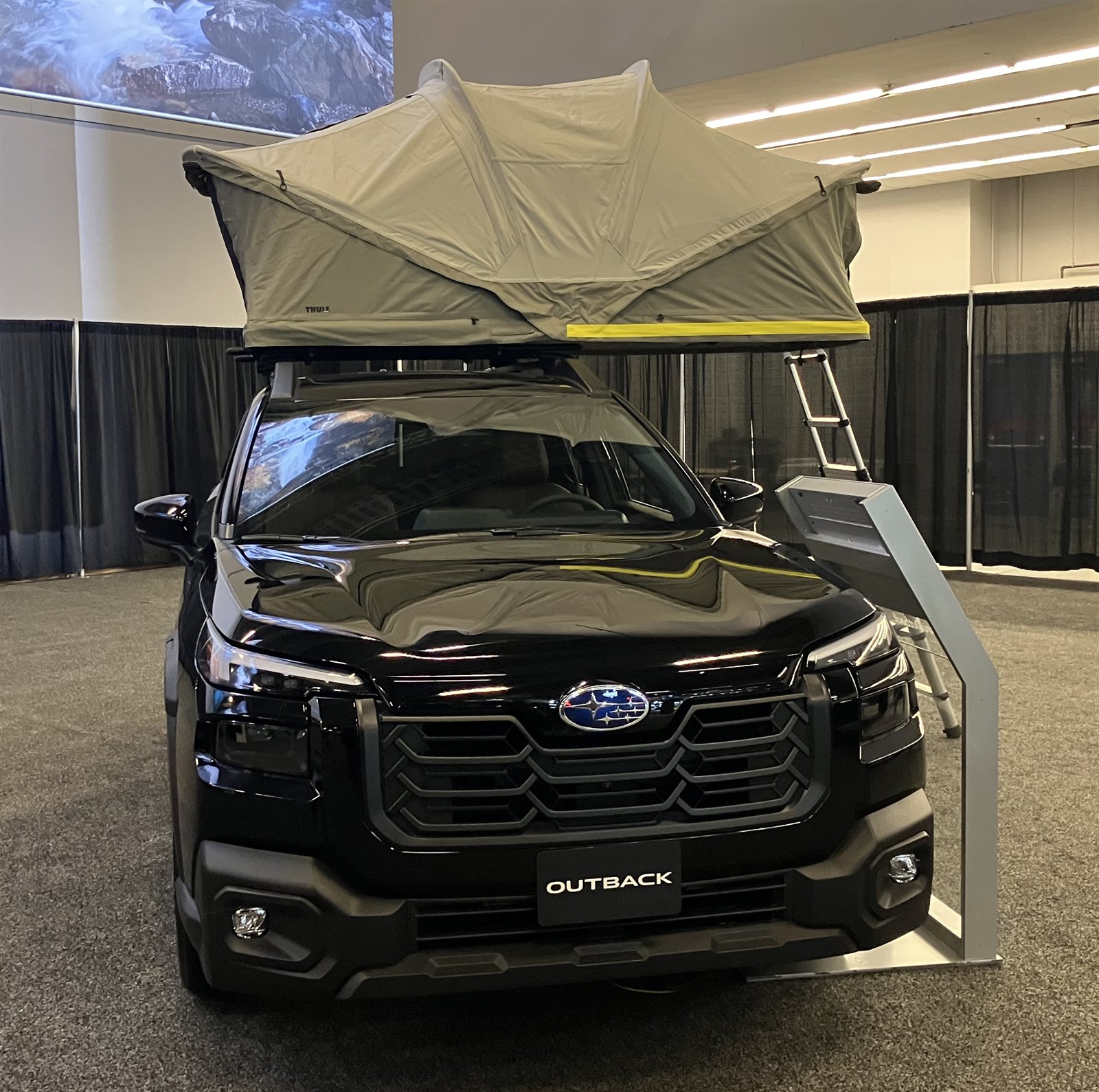
A roof tent and a ground tent solve the same problem — somewhere to sleep on a camping trip — in genuinely different ways, and the right choice depends more on how often you camp and what your crossbars can carry than on which one is objectively “better.” Neither wins outright; they trade off against each other in predictable ways.
Quick Picks
Best roof tent (softshell, budget):Smittybilt Overland GEN2 Tent STD — the most realistic entry point into roof tents without a premium hardshell price tag.
Best roof tent (with awning):Adventurer Pro Hard Shell Rooftop Tent — hardshell setup speed plus a built-in side awning, useful if you don’t want to buy the two separately.
Best ground tent:CORE Instant Cabin Tent — the lower-cost, more flexible starting point for most people.
Roof tents win this category outright — most fold out in under a minute, no stakes, no finding level ground. A ground tent, even an “instant” cabin-style one, takes longer to pitch and requires a reasonably flat, clear site. If you camp often enough that setup time adds up, or you tend to arrive at a site after dark, that difference is worth more than it sounds.
Cost and Commitment
Ground tents are cheaper to buy and cheaper to replace if damaged. Roof tents run several times the cost of a comparable ground tent, plus they need compatible crossbars rated for the weight — not a given on every setup. For occasional camping, a ground tent is the lower-risk way to find out how much you actually enjoy it before committing to roof-tent money.
Comfort and Capacity
Ground tents scale to a family more easily and cheaply — a 6-person cabin tent costs a fraction of a roof tent rated for the same number of sleepers. Roof tents are typically sized for 2-3 people, which makes them a better fit for couples or smaller families than for a full family trip. Roof tents do have one real comfort edge: you’re off the ground, away from rocks, roots, and crawling insects, with a built-in mattress that doesn’t need separate padding.
What It Does to Your Daily Driving
A roof tent, once mounted, tends to stay mounted — most are heavy enough that removing and reinstalling it for every trip isn’t realistic. That means daily driving with it on: real fuel economy loss, wind noise, and a permanent height increase to remember at parking garages and drive-thrus. A ground tent has zero impact on daily driving since it lives in the trunk between trips, not on the roof.
Which One Actually Fits Your Camping Style
Roof Tent
Ground Tent
Setup speed
Fastest
Slower, needs a clear site
Cost
High, plus rated crossbars
Low
Best group size
2-3 people
Scales to families cheaply
Daily driving impact
Real (stays mounted)
None
Best for
Frequent campers, couples
Occasional trips, families, first-time buyers
Common Mistakes
Buying a roof tent before confirming crossbar weight ratings. Not every crossbar setup can support one — check before buying, not after.
Choosing a roof tent for a family of four. Most are sized for 2-3 people; a ground tent handles a larger family for less money.
Underestimating the daily-driving tradeoff. A mounted roof tent isn’t a weekend-only accessory — it affects every drive until it comes off.
FAQs
Is a roof tent worth it for occasional camping? Usually not — the cost and daily-driving tradeoff pay off more for frequent campers than occasional ones. A ground tent is the lower-commitment starting point.
Can any Subaru support a roof tent? Only with crossbars rated for the tent’s weight — check your specific crossbar and roof weight limits before buying. See our Roof Weight Limits guide.
Does a roof tent hurt gas mileage? Yes, noticeably, since it typically stays mounted rather than coming off between trips — similar to any large roof-mounted accessory.
Which is better for a family? A ground tent, in almost every case — cheaper, sized for more people, and no daily-driving tradeoff.
Final Thoughts
Neither option is a clear upgrade over the other — they fit different camping styles. Frequent campers and couples get real value from a roof tent’s speed and comfort. Occasional campers and families are usually better served by a ground tent’s lower cost, larger capacity, and zero impact on daily driving.
Disclosure: This article contains affiliate links. I may earn a commission at no extra cost to you.
Our Subaru Outback Car Camping Setup guide covers sleeping inside the vehicle — a setup that works well for one or two people. Once kids are involved, that changes: three or four people generally don’t fit inside any of the three models comfortably, so most families end up using a tent for sleeping and the Subaru as the gear hauler and basecamp support instead. That’s a different setup with different priorities.
Quick Picks
Best family tent:CORE Instant Cabin Tent — sets up fast, which matters more with kids waiting than tent quality alone.
Best cooler:Soft-sided cooler — packs around other gear better than a rigid cooler once the trunk fills up with a family’s worth of stuff.
Best for gear separation:Collapsible storage bins — one per person or per category keeps a family’s gear from turning into one undifferentiated pile.
Why Most Families Need a Tent, Not Just the Vehicle
Sleeping inside the vehicle works because it’s compact — exactly the quality that makes it a poor fit for a family. Once you’re past two people, the math stops working: there isn’t enough flat sleeping surface in any of the three models, even with seats folded. A tent solves this cleanly and also separates “sleeping space” from “gear space,” which matters more with a family’s volume of stuff than it does for a solo trip. See our Roof Tent vs Ground Tent for Subaru Owners guide for how to choose between the two.
Keeping Kids’ Gear Separate From Adult Gear
A family’s camping gear is really several smaller kits — one per kid, plus shared gear, plus adult gear — and mixing them into one pile is where most on-site frustration comes from. A dedicated bin per person or per category (clothes, sleep gear, toys) means anyone can grab exactly what they need without unpacking everything else first.
Cooking and Eating for a Group vs Solo Cooking
Solo or two-person cooking is forgiving — a single pot and a cooler cover most of it. Feeding a family means more food volume, more dishes, and more actual cook time, which usually means a dedicated camp kitchen setup (stove, prep space, a real cooler) rather than the minimal single-burner approach that works fine for a solo trip. Budget more setup time for this than you’d expect on the first family trip — it gets faster with repetition.
Setting Up a Basecamp the Subaru Can Support
With the vehicle freed from being a sleeping space, it becomes a genuinely useful basecamp anchor instead — parked with the hatch as covered shade or shelter, gear staged in the cargo area within reach, and the roof rack available for a supplemental awning if the site doesn’t offer natural shade. See our Best Awning for Subaru guide if that’s part of your setup.
What Changes Across Outback, Forester, and Crosstrek for Family Camping
Since the vehicle is now a gear hauler rather than a bedroom, the differences that mattered for sleeping-in-the-car camping matter less here. The Outback’s longer floor is still the most useful for staging a family’s volume of gear before it gets distributed to the tent. The Forester’s height makes accessing stacked bins from the hatch easier without crouching. The Crosstrek can support a smaller family, but its limited volume means less margin for the “bring extra just in case” gear most family trips accumulate.
Common Mistakes
Trying to sleep a family of four inside the vehicle. It doesn’t work comfortably past two people — plan for a tent from the start.
Mixing everyone’s gear into one pile. Slows down every single task at the campsite, not just setup.
Underestimating cook time for a group. A single-burner solo setup isn’t enough once you’re feeding more than two people.
FAQs
Can a family sleep inside a Subaru while camping? Comfortably, generally not past two people. Most families use a tent for sleeping and the vehicle for gear and basecamp support.
Should we get a roof tent or a ground tent for family camping? Depends on setup speed, budget, and how often you’ll use it — see our full Roof Tent vs Ground Tent breakdown.
What’s the biggest difference between solo car camping and family camping? The vehicle’s role changes — from sleeping space to gear hauler and basecamp support — which changes almost everything else about the setup.
Final Thoughts
Family camping isn’t a bigger version of solo car camping — it’s a different setup built around a tent and a basecamp instead of sleeping inside the vehicle. Once that shift is made, the actual gear and organization choices get a lot more straightforward.
Disclosure: This article contains affiliate links. I may earn a commission at no extra cost to you.
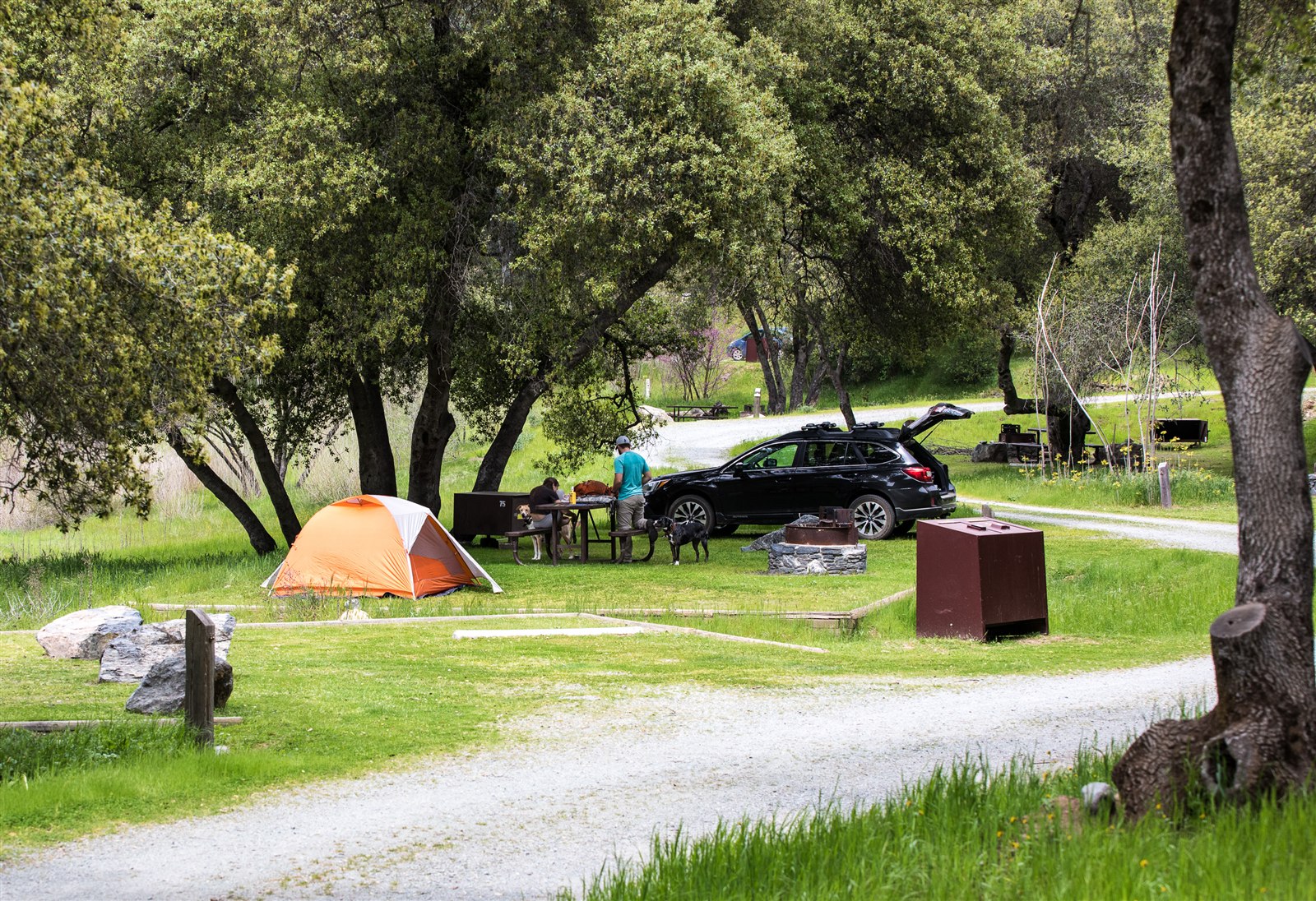
Car camping in a Subaru doesn’t need to turn into a full build to work well. For most people, simpler setups are easier to manage, easier to reset, and more practical for real trips than a permanent platform or oversized storage system.
The Outback works especially well because it offers enough room to sleep comfortably without becoming difficult to live with day to day. The Forester and Crosstrek can work too, but space and setup flexibility feel different depending on the vehicle and how you camp.
Larger vehicles often push toward permanent setups — drawer systems, sleeping platforms, oversized storage. Those work, but add complexity, cost, and setup time. The Outback sits in a more practical middle ground: enough space to sleep, organize gear, and stay comfortable without fully building out the vehicle, and it still transitions back to daily driving easily once the trip’s over. For most people, that balance matters more than maximum cargo space.
What Actually Matters in a Simple Setup
Sleep Comfort
Enough padding, a level surface, and temperature control matter more than a complicated setup. Folding sleeping pads or simple foam mattresses work better than a permanent platform build for most people — easier to manage, less space, more flexible. Options like the HEST Foamy and Therm-a-Rest MondoKing balance comfort without requiring a permanent setup. A camping pillow or wool blanket makes longer trips noticeably more comfortable without adding much bulk.
Storage Without Losing Sleeping Space
Large bins and permanent storage organize gear well, but they also eat into usable sleeping space. Softer, more flexible storage usually works better once it’s time to sleep — duffel bags, smaller organizers, and gear that can move out of the way rather than staying fixed in place.
Ventilation and Privacy
Without airflow, the interior gets stuffy fast and condensation builds up overnight, especially in cooler weather. Cracked windows and simple bug screens are usually enough — complicated ventilation systems are rarely necessary. Car window bug screens and a USB camping fan cover most setups, and window visors let you crack windows in rain without letting water in.
For privacy and light control, simple covers beat permanent solutions — easier to install, remove, and store. Foldable sun shades or magnetic window covers handle both privacy and some temperature control during early mornings.
Sleeping Setup
Folding the full rear seat creates the most usable sleeping space and works best for dedicated camping trips; a partial fold keeps one seat usable for passengers or storage but leaves a tighter sleeping area. Sleeping platforms create a flatter, more structured surface but take up space and add weight — worth it for frequent camping, but a sleeping pad makes more sense for occasional trips.
The rear cargo area isn’t perfectly flat once the seats fold down, and small height differences get noticeable overnight. Simple padding or small foam fillers usually solve this without needing a full platform. The Luno Air Mattress works well for comfort-focused trips, the Milliard Tri-Fold Mattress is easier to move and store, and foam fillers handle most uneven-surface issues.
One person fits comfortably without much effort. Two people can fit, but organization matters more and the space feels tighter fast — mostly a matter of keeping the setup simple and limiting extra gear.
Setup Type
Comfort
Setup Speed
Best For
Sleeping Platform
High
Slow
Frequent camping
Foam Sleeping Pad
Medium-High
Fast
Most simple setups
Air Mattress
Medium
Medium
Occasional trips
Folded Seats Only
Low
Fastest
Quick overnight use
Cargo, Cooking, and Water
Soft storage usually works better than hard bins in the Outback because it compresses and fits around the sleeping area rather than taking up fixed space. A soft duffel, packing cubes, or collapsible bins work well for flexible packing; hard storage bins make more sense for heavier or fragile gear that needs protection.
Cooking outside keeps heat, smell, and moisture out of the sleeping area — cooking inside works when needed, but space gets tight fast. Coolers are simpler and cheaper for most trips; a powered fridge makes sense for longer or more frequent camping. RTIC coolers work well for weekend trips, ICECO portable fridges for longer ones, and reusable ice packs cut down on loose ice and water in the cargo area.
Water takes up more space than expected — collapsible containers store more easily once empty, while rigid water jugs work better for longer campground stays.
Outback vs Forester vs Crosstrek for Car Camping
Model
Sleeping Space
Interior Feel
Best For
Outback
Best overall balance
Long and open
Most people
Forester
Good
Taller and more upright
Vertical space and movement
Crosstrek
Limited
Smaller and tighter
Solo campers, shorter trips
The Outback’s longer cargo area makes it easier to sleep comfortably without sacrificing storage space. The Forester trades cargo length for a taller cabin — it feels roomier vertically for sitting up or changing, but the Outback usually works better for sleeping layouts and spreading gear out. The Crosstrek works fine for camping, but space runs tight fast, so it fits solo campers and shorter trips better than families or longer stays.
Common Mistakes
Bringing too much gear. Extra storage bins and oversized cooking setups create clutter and make sleeping space harder to manage.
Building a permanent setup too early. Most people adjust their setup after a few trips once they see what actually gets used — start simple.
Ignoring ventilation. Lack of airflow leads to condensation and trapped heat overnight, even in mild weather.
Using storage that’s too large. Oversized bins make the sleeping area feel tighter and reduce flexibility.
Making daily driving worse. A camping setup still needs to work when the trip is over — permanent platforms and too much gear get in the way of groceries and passengers.
Setup Tips Most People Miss
Test your sleeping position before buying gear — it’s easy to build a setup around the wrong layout. Keep one area clear so the Outback stays livable once gear builds up, and layer lighter bedding instead of oversized blankets in a smaller space. A small addition like a packable blanket or mattress topper often makes more difference on a longer trip than adding more gear. Practice the setup at home before a longer trip, and think through how weather will affect airflow and condensation.
FAQs
Can two people comfortably sleep in a Subaru Outback?
Yes, but space gets tighter once gear is inside. Keeping the setup simple makes a noticeable difference for comfort.
Is the Outback better than the Forester for car camping?
Usually, for sleeping space — the longer cargo area works better for sleeping layouts, while the Forester feels more open vertically.
Do you need a sleeping platform?
No. Many simple setups work fine with folded seats and a sleeping pad. Platforms help with leveling and storage, but they also take up space.
How do you deal with condensation while sleeping?
Airflow matters most — slightly cracked windows and basic ventilation usually reduce it enough for most trips.
Can you car camp in a Crosstrek?
Yes, but the setup needs to stay simpler and more compact since space fills up faster than in an Outback or Forester.
Final Thoughts
There’s no perfect car camping setup, just the one that fits how you actually use the vehicle. More gear can improve comfort, but it also takes up space and reduces flexibility. For most people, comfort, airflow, and easy cleanup matter more than building a permanent setup.

.jpg)