Disclosure: This article contains affiliate links. I may earn a commission at no extra cost to you.
Our Roof Tent vs Ground Tent guide covers whether a roof tent is the right choice. This one assumes you’ve already decided and covers what actually happens next — mounting it correctly, using it for the first time, and keeping it in good shape.
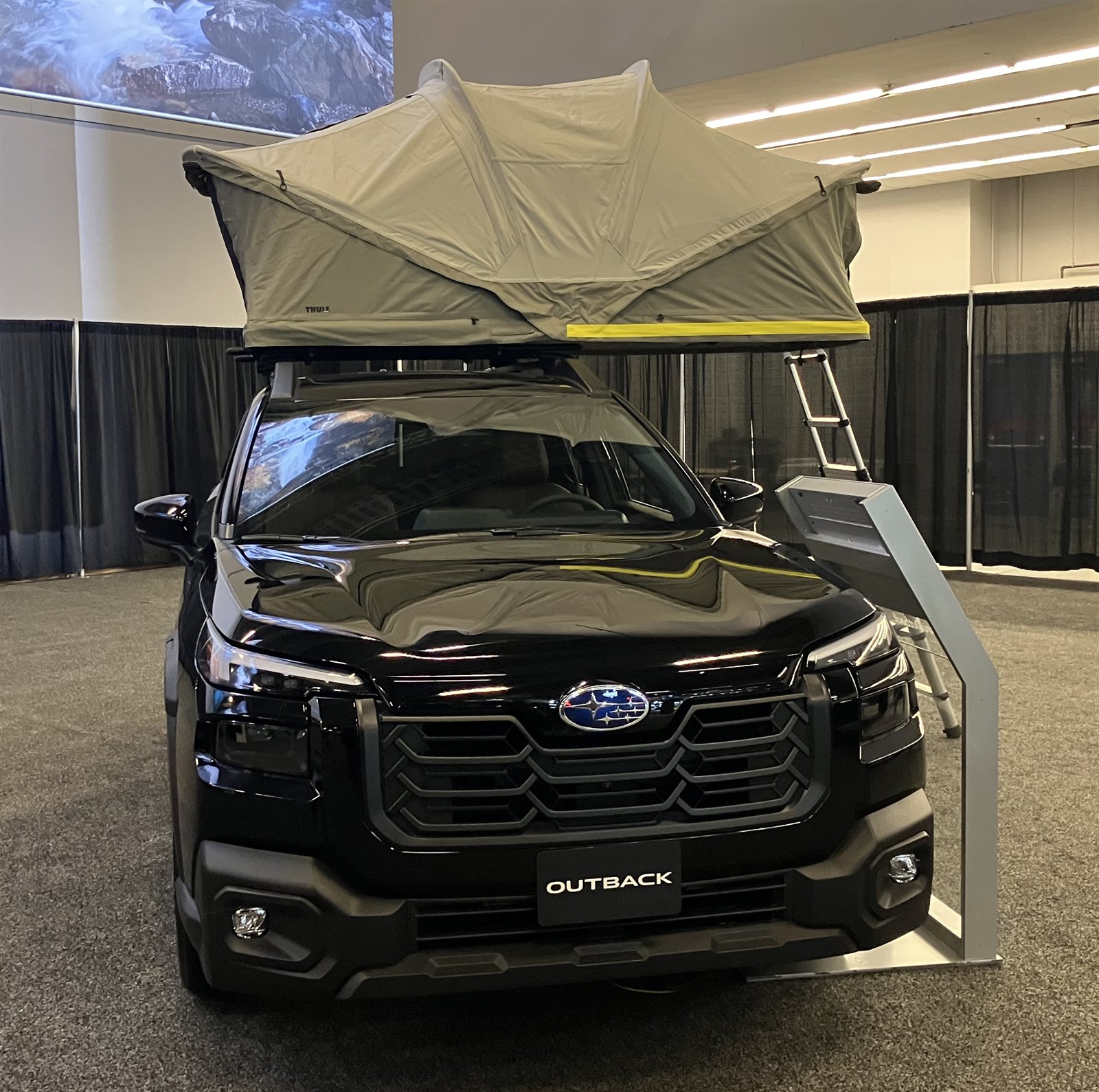

Confirm Your Crossbars Can Actually Support It
This is the step that gets skipped and shouldn’t be — a roof tent is one of the heaviest common crossbar accessories, and mounting one on crossbars rated below its weight is a real safety issue, not a minor technicality. Check both the tent’s weight and your crossbar’s dynamic (driving) rating before ordering anything. See our How Much Weight Can Subaru Crossbars Hold? guide.
Positioning on the Crossbars
Center the tent’s weight between the crossbars rather than favoring one end — most tents ship with a mounting template or clear guidance for this. Getting the position right the first time matters more for a roof tent than almost any other crossbar accessory, since it’s not something you’ll want to readjust often once it’s loaded and in regular use.
Practice Setup and Breakdown at Home First
The first time deploying and folding a roof tent should not be at a campsite in the dark or in bad weather. Practice the full cycle — open, ladder out, mattress unrolled, then fully broken back down — at home first, ideally more than once, so it’s familiar before it actually matters.
What Changes About Daily Driving
Once mounted, expect a real fuel economy hit, more wind noise, and a permanently increased vehicle height — worth remembering at parking garages, drive-thrus, and your own garage door. Most roof tents aren’t practical to remove and reinstall for every trip, so plan for these tradeoffs as ongoing, not occasional.
Basic Maintenance
Check mounting hardware periodically for looseness, especially after the first few hundred miles of driving with it installed — vibration can work fasteners loose faster than a static accessory would. Let the tent fully dry before folding it down after a wet trip to avoid mildew building up in storage between uses.
Common Mistakes
- Skipping the crossbar rating check. The single most important step, and the easiest one to skip.
- Learning the setup process for the first time at a campsite. Practice at home so it’s second nature before it matters.
- Packing it away wet. Leads to mildew and odor that’s genuinely hard to fully remove once it sets in.
FAQs
How long does it take to set up a roof tent?
Most fold out in under a minute once you’re familiar with it — longer the first few times before the process is second nature.
Do I need to check anything before driving with it installed?
Yes — check mounting hardware periodically, especially after the first few hundred miles, since vibration can loosen fasteners faster than expected.
Can I remove it between trips?
Technically, but most roof tents are heavy and awkward enough that frequent removal and reinstallation isn’t realistic for most owners — plan for it to stay mounted.
Final Thoughts
A roof tent is a genuinely good setup once it’s properly mounted and you’re comfortable with the routine — the real work is upfront: confirming crossbar capacity, positioning it correctly, and practicing setup before the first real trip.
Leave a Reply