Disclosure: This article contains affiliate links. I may earn a commission at no extra cost to you.
Many Crosstrek, Forester, and Outback owners spend years transporting children and living with car seats installed full-time. Over time, spills, crumbs, dirt, and seat wear can add up.
A car seat protector helps create a barrier between the child seat and the upholstery, making cleanup easier and reducing everyday wear.
The right choice depends on your seat material, child-seat setup, and how your Subaru is used. This guide focuses on the features and protection that matter most in real-world family use.
Quick Buying Recommendations:
Best Overall:
Best Premium (Optional):
Best Budget (Optional):
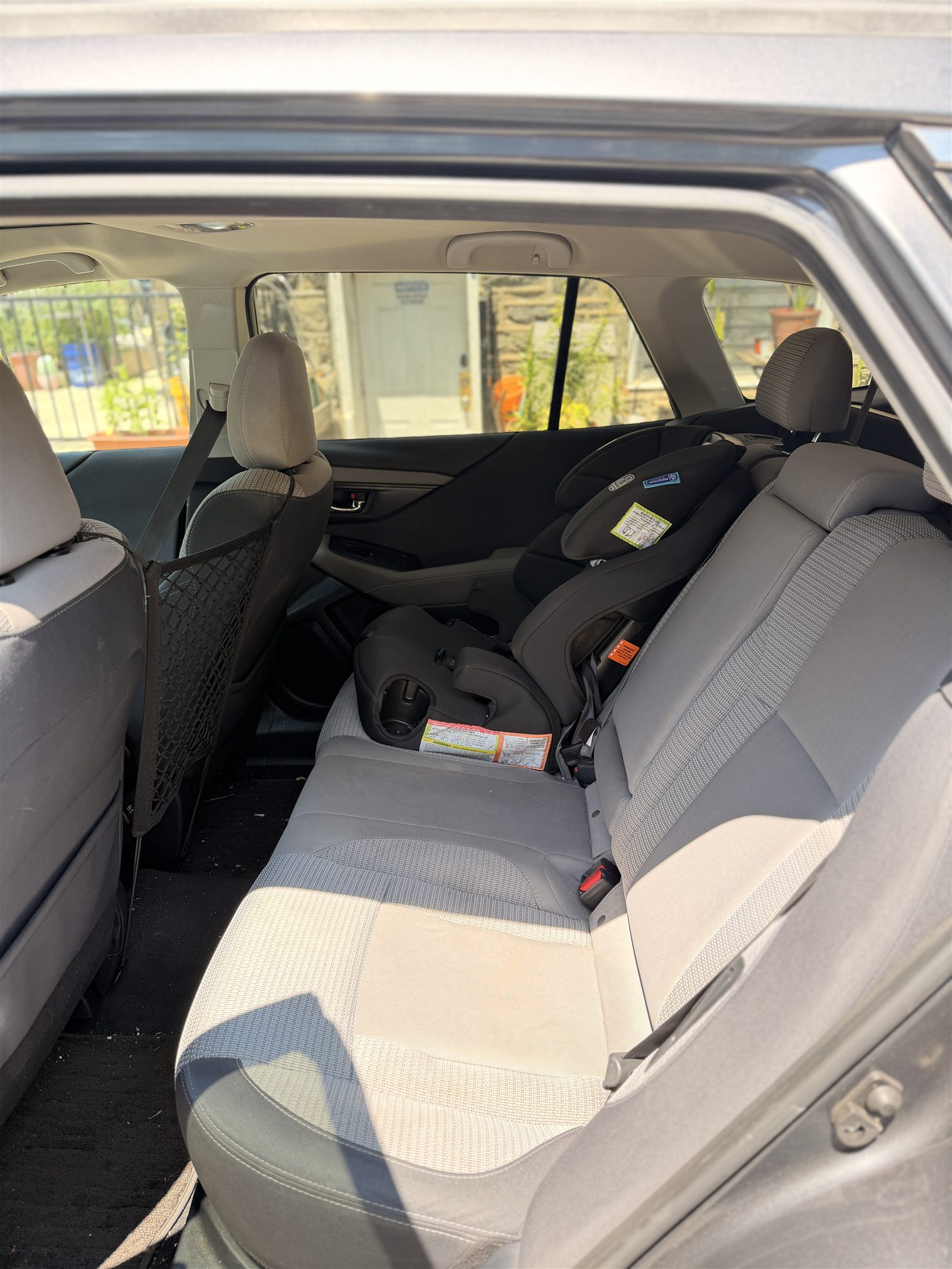
Why Subaru Owners Use Car Seat Protectors
Protecting Against Seat Compression
Child car seats can place significant pressure on seat cushions, especially when installed for months or years at a time. Many Subaru owners use car seat protectors to help distribute that pressure across a larger area.
While a protector cannot eliminate compression entirely, it can help reduce concentrated wear and keep the seating surface looking better over time.
Preventing Food And Drink Messes
Families quickly learn that snacks, juice boxes, water bottles, and spilled drinks often end up around child seats. Once food and liquids work their way into seat seams, cleanup becomes more difficult.
A car seat protector creates an additional barrier that can help contain spills and make routine cleaning faster and easier.
Reducing Dirt And Mud Transfer
Children frequently bring dirt, sand, grass, and mud into the vehicle on shoes, clothing, and gear. These materials often collect around the base of the car seat and can become embedded in the upholstery.
A protector helps keep debris off the seat surface and makes it easier to remove accumulated dirt during regular cleaning.
Preserving Long-Term Interior Condition
Many Crosstrek, Forester, and Outback owners plan to keep their vehicles for years. Protecting the seats from pressure marks, stains, moisture, and everyday wear can help maintain the interior’s appearance over time.
For most families, a car seat protector is less about adding features and more about reducing long-term wear in one of the highest-use areas of the vehicle.
Do You Actually Need A Car Seat Protector?
Cloth Seat Considerations
Cloth seats are generally more resistant to scratches than leather, but they can still experience compression, stains, and embedded dirt beneath a child seat. A car seat protector can make cleanup easier and help reduce long-term wear from daily family use.
For owners with young children who frequently eat and drink in the vehicle, a protector is often worthwhile.
Leather Seat Considerations
Leather and leather-trimmed seats are more susceptible to pressure marks, scuffs, and surface wear from car seats. A protector can help reduce direct contact between the child seat and the upholstery while also containing spills and debris.
Many Subaru owners with leather interiors use protectors primarily to preserve the seat’s appearance over time.
New Vehicle Ownership
Owners of newer Crosstreks, Foresters, and Outbacks often want to minimize wear from the start. Installing a protector before a car seat goes in can help prevent stains, impressions, and dirt buildup before they become permanent.
This is especially appealing for owners who plan to keep the vehicle for many years.
Long-Term Family Use
Families with multiple children may have car seats installed continuously for years. Over time, repeated installation, removal, and everyday use can take a toll on seat surfaces.
In these situations, a car seat protector is often a practical preventative measure that helps keep the interior in better condition throughout years of family use.
Types Of Car Seat Protectors
Full-Seat Protectors
Full-seat protectors cover both the seat cushion and the lower portion of the seatback. They provide broader protection against compression, spills, dirt, and scuff marks.
For families with young children who spend significant time in the vehicle, full-seat designs often offer the most complete coverage.
Seat Base Protectors
Seat base protectors focus only on the area beneath the car seat. They help reduce seat compression and protect against crumbs, spills, and dirt without covering the seatback.
These are often a good choice for owners who want basic protection while maintaining a factory appearance.
Waterproof Protectors
Waterproof protectors add an extra layer of defense against spills, accidents, wet clothing, and muddy shoes. They are especially useful for toddlers and younger children who are more likely to create messes.
For many families, waterproof protection provides one of the biggest practical benefits.
Protectors With Storage Pockets
Some protectors include front-facing storage pockets for wipes, toys, snacks, books, or small travel items. These can improve organization but may add bulk around the seating area.
Storage pockets are most useful for families who frequently travel with young children.
Minimalist Protectors
Minimalist protectors prioritize seat protection without extra features. They are typically thinner, lighter, and less noticeable than larger designs.
For many daily drivers, a simple protector provides enough protection without adding unnecessary complexity.
Which Style Works Best For Most Subaru Owners?
For most Crosstrek, Forester, and Outback owners, a full-seat protector with a durable, easy-to-clean surface offers the best balance of protection and usability.
Families with younger children may benefit from waterproof materials, while owners primarily concerned with seat wear often find a simple minimalist protector handles their needs effectively.
| Protector Type | Seat Coverage | Ease Of Cleaning | Storage Features | Best For |
| Full-Seat Protector | Seat base + lower seatback | Excellent | Usually none | Families wanting maximum protection |
| Seat Base Protector | Seat base only | Good | None | Basic seat compression protection |
| Waterproof Protector | Varies by design | Excellent | Sometimes | Toddlers, spills, wet clothing |
| Protector With Storage Pockets | Usually full coverage | Good | Yes | Road trips and family organization |
| Minimalist Protector | Basic coverage | Good | None | Owners wanting simple protection |
Important Features To Look For
Non-Slip Materials
A car seat protector should stay in place once installed. Non-slip materials help reduce movement between the child seat and the vehicle seat, keeping the setup more stable during daily use.
This is especially important for families that frequently remove and reinstall child seats.
Waterproof Protection
Spills, leaks, wet clothing, and snack accidents are common around child seats. Waterproof materials help prevent moisture from reaching the upholstery and make cleanup much easier.
For many families, waterproof protection is one of the most valuable features.
Easy Cleaning
Child-seat areas tend to collect crumbs, dirt, and sticky messes. Smooth surfaces that can be wiped clean are generally more practical than materials that trap debris.
The easier a protector is to clean, the more likely it is to stay looking good over time.
Seat Coverage
Coverage should match your needs. Larger protectors offer more protection from spills, dirt, and pressure marks, while smaller designs maintain a lower-profile appearance.
Most Subaru owners find that protecting both the seat cushion and lower seatback provides the best balance.
Compatibility With Child Seats
Not every protector works equally well with every child seat. The protector should allow the car seat to sit securely and should not interfere with proper installation.
Before purchasing, verify that the protector is designed for use with child seats and fits the seating layout of your Crosstrek, Forester, or Outback.
Infant Seats vs Convertible Seats
Infant Carrier Setups
Infant carrier seats are typically lighter and designed to be removed from the vehicle regularly. Because the base remains installed for extended periods, seat protection is often concentrated beneath the base itself.
For many families, spills and dirt are less of a concern during this stage than protecting against long-term pressure marks.
Convertible Car Seats
Convertible seats are generally larger, heavier, and remain installed for longer periods. They often place more pressure on the seat cushion and cover a larger portion of the seating surface.
As a result, many Subaru owners find seat protection more beneficial once they transition from an infant carrier to a convertible seat.
Forward-Facing Seats
Forward-facing seats introduce new sources of wear. Children can kick the backs of front seats, track in dirt, and create more food and drink messes during daily travel.
At this stage, many families focus as much on controlling messes and scuff marks as they do on protecting the seat cushion itself.
Booster Seat Considerations
Booster seats generally place less pressure on the vehicle seat than convertible seats, but they still concentrate weight in a smaller area. Spills, crumbs, and dirt also remain common.
For many families, a protector continues to provide value by simplifying cleanup and helping preserve the seat’s appearance through the final years of child-seat use.
| Seat Type | Typical Weight On Seat | Wear On Vehicle Seat | Protector Importance |
| Infant Carrier Base | Low to Moderate | Moderate | Helpful |
| Convertible Seat | High | High | Very Helpful |
| Forward-Facing Seat | Moderate to High | High (plus dirt and scuffs) | Very Helpful |
| Booster Seat | Moderate | Moderate | Helpful |
Leather Seats vs Cloth Seats
Protecting Leather Upholstery
Leather and leather-trimmed seats are more prone to visible scuffs, pressure marks, and surface wear from child seats. A car seat protector can help reduce direct contact between the child seat and the upholstery while also protecting against spills and dirt.
For many owners, preserving the appearance of leather seats is a primary reason to use a protector.
Protecting Cloth Upholstery
Cloth seats are generally more resistant to scratches but can absorb spills, trap dirt, and develop stains over time. Crumbs, moisture, and mud often collect beneath child seats and can be difficult to remove completely.
A protector helps create a barrier that simplifies cleanup and reduces long-term wear.
Cleaning Differences
Leather seats are typically easier to wipe clean, while cloth seats often require deeper cleaning when spills soak into the fabric. Regardless of seat material, a protector can help keep messes from reaching the upholstery.
For families with young children, easier cleanup is often one of the biggest practical benefits.
Long-Term Wear Considerations
Years of car seat use can leave lasting impressions on both leather and cloth interiors. Pressure, friction, spills, and trapped debris gradually affect seat appearance regardless of material.
Owners who expect to keep their Crosstrek, Forester, or Outback for the long term often find that a car seat protector helps reduce wear and maintain the interior’s condition over time.
Crosstrek vs Forester vs Outback Considerations
Crosstrek Rear Seat Considerations
The Crosstrek’s rear seat area is slightly more compact, making space efficiency important. Large protectors with oversized side flaps or storage features can take up additional room around child seats.
Most Crosstrek owners benefit from protectors that provide good coverage without adding unnecessary bulk.
Forester Rear Seat Considerations
The Forester offers generous rear-seat space and a tall cabin, making child-seat installation easier for many families. Larger protectors generally fit without affecting passenger comfort or accessibility.
This added space gives owners more flexibility when choosing between basic and full-coverage designs.
Outback Rear Seat Considerations
The Outback provides ample rear-seat room and is commonly used for family travel. Full-size protectors work well, particularly for families using larger convertible seats or multiple child seats.
The extra cabin space also makes cleaning and accessing the seating area easier.
Does Subaru Model Affect Protector Choice?
Usually not dramatically. Most car seat protectors fit properly in the Crosstrek, Forester, and Outback.
The bigger consideration is how much coverage you want and how much space your child-seat setup requires. In most cases, choosing a durable protector with good coverage and child-seat compatibility matters more than the specific Subaru model you drive.
Living With Car Seats Every Day
Daily Loading And Unloading
Car seats are used multiple times every day. Children are lifted in and out, bags are loaded alongside them, and seat belts or harnesses are adjusted constantly.
A protector helps shield the seat from the wear that comes from years of repeated daily use.
Managing Snacks And Drinks
Crumbs, snack wrappers, and spilled drinks are common around child seats. Even careful families eventually deal with food and drink messes.
A protector creates a barrier that makes cleanup easier and helps keep debris from becoming embedded in the upholstery.
Muddy Shoes And Dirty Feet
As children get older, dirty shoes often become a bigger source of interior wear than the car seat itself. Mud, sand, grass, and road salt can collect around the seating area and beneath the seat.
Protectors help contain some of this mess and simplify routine cleaning.
Long-Term Seat Wear
Most families use child seats for many years, often progressing from infant seats to convertible seats and boosters. During that time, seat cushions experience constant pressure, friction, and exposure to spills and dirt.
A car seat protector will not eliminate wear entirely, but it can help reduce the cumulative effects of everyday family use and keep the interior looking better over time.
Common Mistakes To Avoid
Choosing Excessively Thick Protectors
Thicker is not always better. Some heavily padded protectors can interfere with proper child-seat installation or create stability concerns.
For most Subaru owners, a durable protector with moderate padding is usually the better choice.
Ignoring Child Seat Compatibility
Not all protectors are designed for use with every child seat. Before purchasing, verify that the protector allows proper car-seat installation and does not interfere with the manufacturer’s requirements.
Protection should never come at the expense of safety.
Prioritizing Storage Over Protection
Some protectors emphasize storage pockets and extra features while providing minimal seat protection. While storage can be useful, the primary purpose of a protector is protecting the vehicle seat.
Focus on coverage, durability, and ease of cleaning first.
Waiting Until Seat Damage Appears
Many owners consider a protector only after noticing stains, pressure marks, or wear. By that point, some damage may already be difficult to reverse.
If preserving the interior is important, installing protection early is usually the more practical approach.
Forgetting To Clean Under The Protector
A protector can trap crumbs, dirt, moisture, and debris underneath over time. Periodically removing it allows you to clean both the protector and the seat beneath it.
Regular cleaning helps prevent buildup and keeps the seating area in better condition throughout years of child-seat use.
What Actually Works (Based On Real Use)
Most Families Need Simple Protection
Most families are not trying to create a complex seat-protection system. They simply want to protect the upholstery from spills, crumbs, dirt, and long-term wear caused by child seats.
A basic protector often handles these needs effectively.
Waterproofing Matters More Than Storage
Storage pockets can be useful, but they are rarely the main reason owners buy a car seat protector. Protection from spills, leaks, wet clothing, and everyday messes usually provides far more value.
For most families, waterproof materials are worth prioritizing over extra storage features.
Protecting Leather Seats Is Usually The Priority
While protectors can benefit both seat materials, owners with leather or leather-trimmed interiors tend to see the greatest benefit. Pressure marks, scuffs, and visible wear are often more noticeable on leather surfaces.
As a result, preserving the appearance of the upholstery is a common motivation for using a protector.
Easy Cleaning Beats Extra Features
The most useful protectors are often the easiest to clean. Smooth, durable surfaces that wipe down quickly tend to be more practical than models loaded with additional features.
Less time spent cleaning usually means less hassle over years of family use.
Simplicity Usually Wins
The best car seat protectors are often the simplest. Good coverage, waterproof materials, child-seat compatibility, and easy cleaning solve most real-world problems.
For many Crosstrek, Forester, and Outback owners, a straightforward protector provides all the protection needed without adding unnecessary complexity.
FAQs
Are car seat protectors safe to use with child seats?
Yes, provided the protector is designed for child-seat use and does not interfere with proper installation.
Do car seat protectors prevent seat indentations?
They can help reduce pressure marks, but they may not eliminate them entirely.
Are protectors necessary for leather seats?
Not required, but many owners use them to help reduce scuffs, stains, and wear.
Do protectors work on cloth seats?
Yes. They help protect against spills, dirt, crumbs, and long-term wear.
Can a car seat protector affect car seat installation?
Some overly thick designs can. Always verify compatibility and proper installation.
How often should a protector be cleaned?
Inspect it regularly and clean it whenever dirt, crumbs, or spills accumulate.
Do protectors fit all Subaru models?
Most fit Crosstrek, Forester, and Outback seats, but checking dimensions is recommended.
Can a protector help preserve resale value?
Potentially. Reducing stains, wear, and seat damage can help keep the interior in better condition.
Are waterproof protectors worth it?
For most families, yes. They provide valuable protection against spills and moisture.
What type of protector works best for families?
A simple waterproof protector with good seat coverage and child-seat compatibility works best for most families.
Final Thoughts
A car seat protector works best when it addresses your family’s everyday needs. For most Crosstrek, Forester, and Outback owners, easy cleaning, good coverage, and child-seat compatibility matter more than extra features.
As your child-seat setup changes over time, other interior protection and family-organization accessories may also help keep your Subaru easier to maintain and more comfortable to use.
Recommended products:
• Lusso Gear Car Seat Protector
Related Guides
• Best Backseat Organizers for Subaru
Leave a Reply