Author: Kalford215

  • Do Cargo Boxes Affect MPG?

    Disclosure: This article contains affiliate links. I may earn a commission at no extra cost to you.

    Adding a cargo box is an easy way to gain storage, but many Crosstrek, Forester, and Outback owners wonder how much it affects fuel economy. Cargo boxes can reduce MPG, and the impact depends more on speed and aerodynamics than weight — highway driving typically shows the biggest difference. For most owners, the tradeoff is worth it: extra storage makes road trips and everyday travel more comfortable and practical.
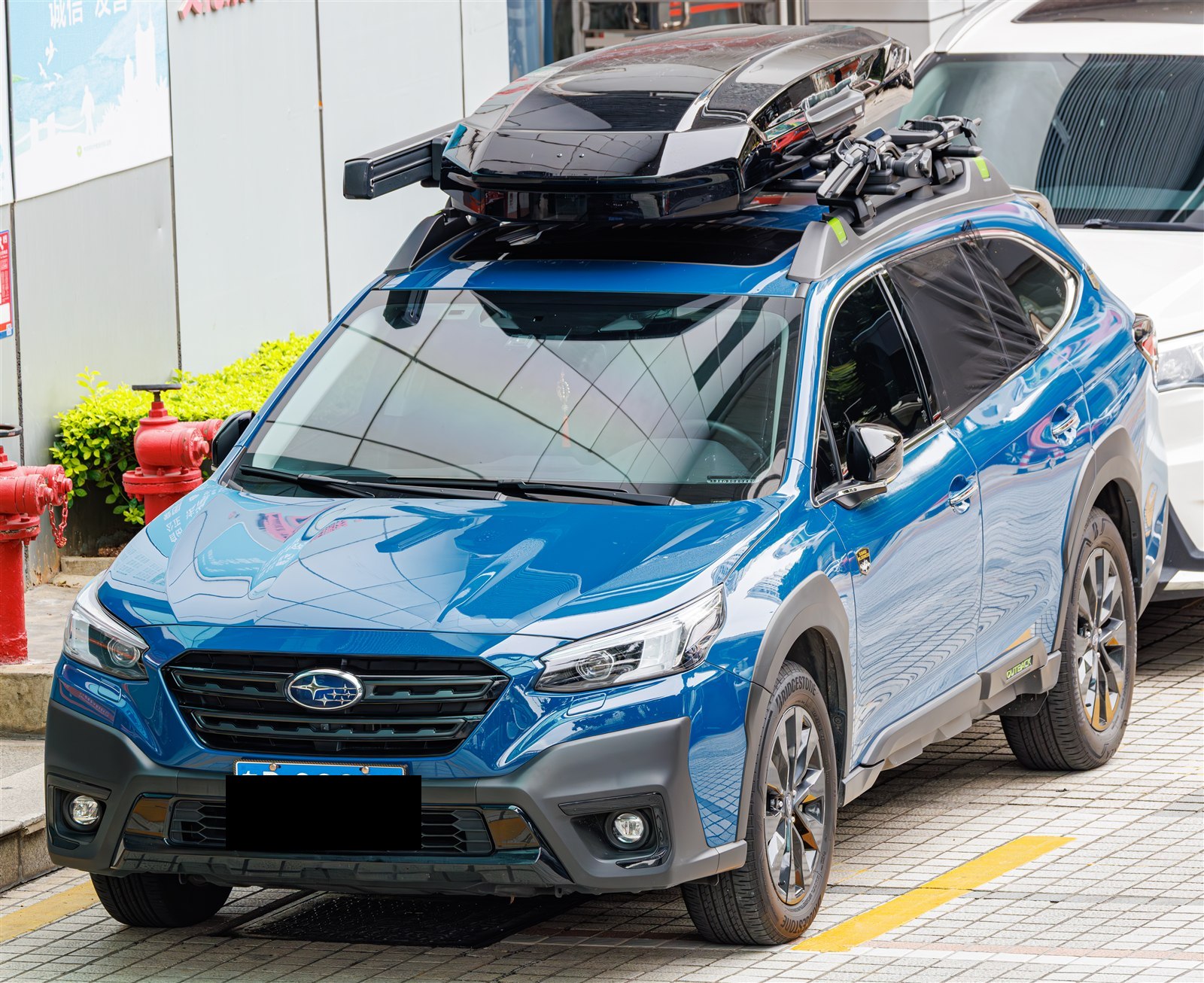
    Blue Subaru Outback with a roof cargo box, front three-quarter view
    Photo: Dinkun Chen, CC BY-SA 4.0, via Wikimedia Commons

    Why Cargo Boxes Reduce MPG

    Aerodynamic drag has a bigger effect on fuel economy than the weight of the box itself — even an empty box changes airflow and adds resistance, and box shape and overall height usually matter more than how much gear is inside. Losses are most noticeable at highway speed, where the vehicle works harder to overcome the added drag; many owners barely notice a difference around town but see a real impact on long highway trips. Some reduction in MPG is a normal tradeoff for the extra storage, not a sign something’s wrong with your setup.

    How Much MPG Loss Is Typical

    City driving usually shows little change — lower speeds mean less aerodynamic drag, so the impact stays modest. Highway driving produces the largest reduction, since higher speeds increase resistance more noticeably. Extended road trips show a measurable decrease compared to driving without a box, with the exact amount depending on speed, weather, and how heavily it’s loaded. Results vary setup to setup — vehicle speed, box shape, crossbar design, wind conditions, and total load all play a role.

    Driving SituationTypical MPG Impact
    City DrivingMinimal
    Mixed DrivingSmall
    Highway DrivingModerate
    Long Road TripsMost Noticeable

    What Affects Fuel Economy Most

    Vehicle speed matters most — aerodynamic drag rises sharply as highway speeds increase, which is why a cargo box’s MPG impact is so speed-dependent. Larger boxes generally create more drag than smaller ones, but shape often matters more than size: lower-profile, streamlined boxes disturb airflow less than taller, boxier designs. Crossbars play a role too — lower-profile aerodynamic bars create less drag than wider, less streamlined designs. Weight still matters, but for most owners aerodynamic drag has the bigger effect on the final MPG number.

    Does Box Size Matter?

    Small and medium cargo boxes generally have less impact thanks to their lower profile and smaller surface area. Large boxes typically create more drag and bigger MPG losses at highway speed, though the difference isn’t always dramatic and depends heavily on the specific design. Two boxes with similar capacity can affect fuel economy differently — a taller box usually creates more resistance than a longer, lower-profile one, which is why overall shape matters more than the cubic-foot rating on the box. Choosing a size that matches your typical needs, rather than the largest one available, gives the best balance of cargo space and efficiency.

    Crosstrek vs Forester vs Outback

    The Crosstrek’s smaller size and lower profile help minimize drag, but a cargo box also represents a larger share of its total frontal area, so losses can still be noticeable on the highway. The Forester’s taller shape gives it excellent interior space but exposes the box to more airflow, so fuel economy losses tend to be more apparent, especially with larger or taller boxes. The Outback’s longer, lower-profile roof generally works well with cargo boxes, letting longer, lower-profile boxes sit more effectively. No model consistently loses the least MPG — box shape and driving speed matter more than which Subaru you drive, and a streamlined setup keeps the impact reasonable across all three.

    Should You Remove It When Not in Use?

    Many owners leave the box installed year-round for convenience, but it affects fuel economy, wind noise, garage clearance, and overall height every day it’s on, not just on trips. Others remove it when not needed to cut wind noise, improve efficiency, and simplify parking and garage access. The right call usually comes down to how often you actually use the extra space — and whether you have somewhere practical to store it (garage space, wall mounts, or a ceiling system) when it’s off the car.

    Common Mistakes

    • Driving faster than necessary. Higher speeds magnify a cargo box’s drag more than the weight inside it ever will.
    • Using a larger box than needed. Oversized boxes add drag you don’t need — size to your typical trips, not the occasional one.
    • Carrying unnecessary weight. Extra gear still makes the vehicle work harder — keep only what you actually need inside.
    • Leaving unused accessories installed. Empty bike racks and kayak carriers still create drag — remove what you’re not using.

    Is the Tradeoff Worth It?

    Most families accept some MPG loss in exchange for storage that makes it easier to bring strollers, luggage, and outdoor gear without overcrowding the cabin. A cargo box frees up interior space so you don’t have to pack as tightly, and moving bulky items to the roof gives passengers more legroom and a less cluttered cabin — a real comfort upgrade on long drives. For most Crosstrek, Forester, and Outback owners, that added versatility is worth more than squeezing out a few extra MPG. Speed matters more than weight, a properly sized box keeps the penalty modest, and for most owners, convenience simply outweighs the cost.

    FAQs

    How much MPG does a cargo box reduce?

    Most owners see a small reduction, with highway driving showing the biggest impact.

    Does highway speed affect fuel economy more than city driving?

    Yes — higher speeds have a much greater effect on MPG than city driving does.

    Do larger cargo boxes reduce MPG more?

    Generally yes, though box shape and height often matter more than raw capacity.

    Does weight or aerodynamics matter more?

    Aerodynamics usually has the bigger impact.

    Should I remove my cargo box when not using it?

    For many owners, yes — removing it improves MPG and reduces wind noise.

    Which Subaru loses the most MPG with a cargo box?

    There’s no consistent answer — box design and driving speed matter more than the vehicle itself.

    Are cargo boxes worth the fuel economy penalty?

    For most owners, yes — the added storage and passenger comfort usually outweigh a modest MPG hit.

    Do crossbars affect MPG too?

    Yes — crossbar shape and exposed overhang both contribute to additional drag.

    Final Thoughts

    Cargo boxes do affect MPG, but for most Crosstrek, Forester, and Outback owners, the tradeoff is worth it. The best setup depends on how you use your Subaru — choosing the right box size and shape usually matters more than chasing maximum fuel economy.

    Related Guides

    How to Stop Cargo Box Wind Noise

    How Far Forward Should a Cargo Box Sit?

    Cargo Box Height Garage Clearance Guide

    Best Cargo Box for Subaru Outback

    Best Cargo Box for Subaru Forester

    Best Cargo Box for Subaru Crosstrek

  • How to Stop Cargo Box Wind Noise

    Disclosure: This article contains affiliate links. I may earn a commission at no extra cost to you.

    Adding a cargo box is an easy way to gain storage, but it can also introduce extra wind noise — especially at highway speeds. The good news: noise levels usually depend more on the overall roof rack setup than the box itself. For Crosstrek, Forester, and Outback owners, understanding what actually causes the noise makes it much easier to build a setup that’s quiet and comfortable to live with every day.

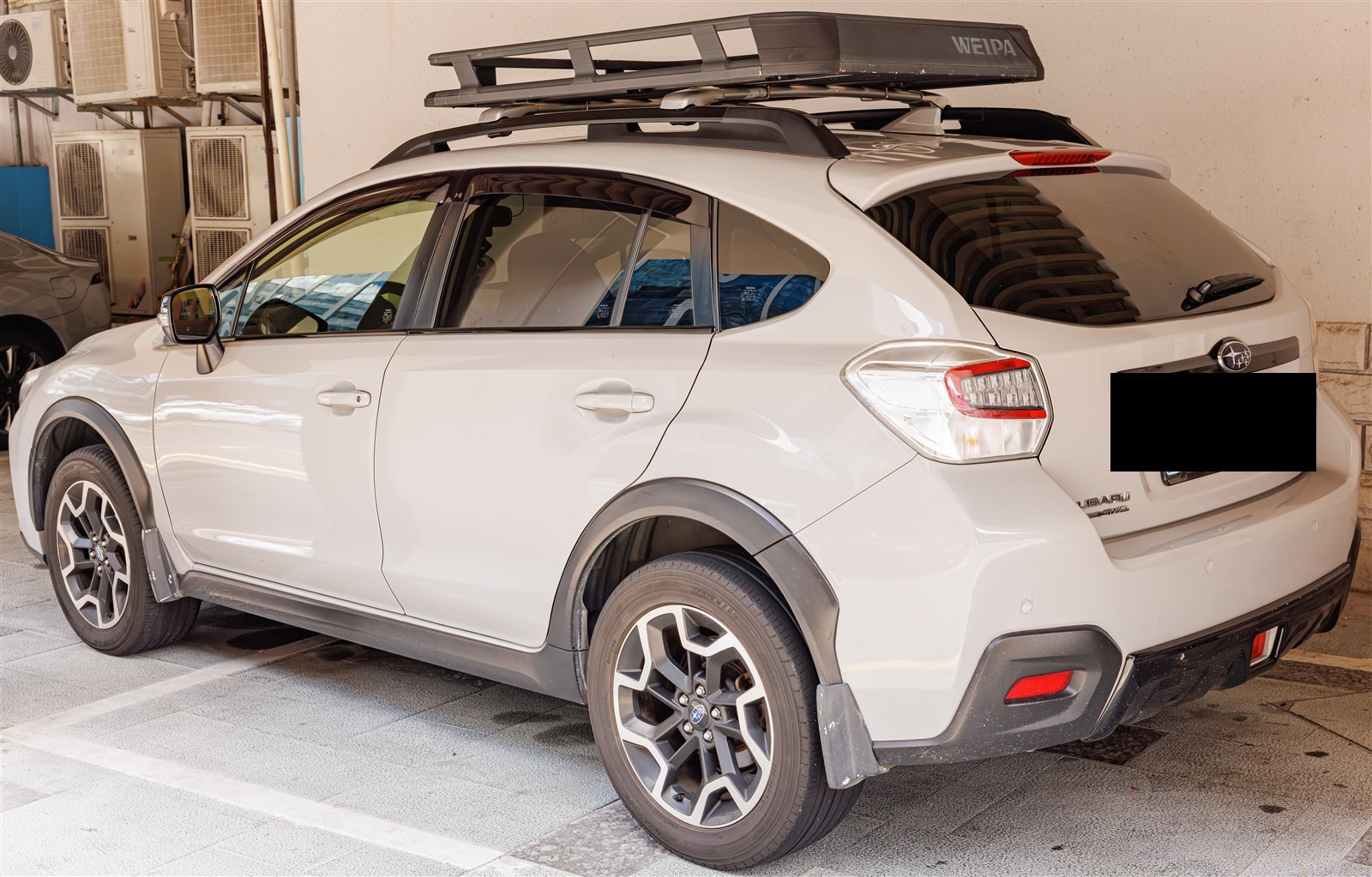
    White Subaru Crosstrek with a roof cargo basket, rear three-quarter view
    Photo: Dinkun Chen, CC BY-SA 4.0, via Wikimedia Commons

    Why Cargo Boxes Create Wind Noise

    Cargo boxes change how air flows over the vehicle. As air moves around the box and roof rack system, turbulence increases and can create noticeable noise inside the cabin, especially on longer highway drives. Some noise is a normal tradeoff whenever accessories are mounted on the roof — even well-designed boxes disrupt airflow to some degree. But in many cases, the crossbars themselves generate more wind noise than the box. Bar shape, width, and how far they extend beyond the roof rails all influence cabin noise — which is why two vehicles using the identical cargo box can sound very different. For most owners, improving the roof rack setup has a bigger impact on noise than changing the box itself.

    Crossbar Style Makes the Biggest Difference

    Crossbar shape has a major effect on wind noise. Older square and round bars generate more turbulence, while lower-profile aerodynamic bars like the Thule WingBar Evo or Yakima JetStream Crossbars are designed to reduce it and are generally quieter at highway speeds. Round bars offer broader accessory compatibility but tend to run louder. Factory crossbars are often tuned for quiet daily driving; aftermarket systems vary more widely, with some prioritizing aerodynamics and others prioritizing strength — overall design matters more than factory vs. aftermarket. Longer bars add usable width, but exposed sections outside the roof rails increase turbulence and can create whistling, so using only as much width as you actually need helps keep things quieter.

    Crossbar TypeNoise LevelEveryday Comfort
    Factory Aero BarsLowExcellent
    Aftermarket Aero BarsLowExcellent
    Round BarsModerateGood
    Square BarsHighestFair

    Cargo Box Position Matters

    Placing the box too far forward exposes more of it to direct airflow, increasing noise, and can also affect windshield visibility or push the mounting points outside the recommended range. Placing it too far back can shift weight distribution and expose more of the rear of the box to turbulence off the roofline. For most owners, a slightly-forward-of-center position — within the mounting points’ recommended range — gives the best balance of airflow and noise. See How Far Forward Should a Cargo Box Sit? for exact positioning guidance.

    Does Box Size or Shape Affect Noise?

    Small and medium boxes are generally quieter during daily driving thanks to their lower profile and smaller surface area. Larger boxes create more aerodynamic drag and can be more noticeable at highway speeds, but size alone doesn’t determine how loud a setup is — crossbar style and box design matter just as much. Two boxes with the same storage capacity can sound very different: streamlined shapes create less turbulence than taller or squarer designs, and height often affects airflow more than length, since a taller box sits farther into the air stream. Overall shape has a bigger impact on noise than the cubic-foot rating on the box.

    Crosstrek vs Forester vs Outback

    No model is automatically quieter than the others — crossbar style, box design, and overall setup usually matter more than the vehicle itself. The Outback’s longer roof gives the most flexibility for cargo box placement, which makes it easier to dial in proper positioning and reduce turbulence. With a properly positioned box and an aerodynamic roof rack, Crosstreks, Foresters, and Outbacks can all run a relatively quiet setup.

    Mistakes That Make Wind Noise Worse

    • Leaving unused crossbars or accessories installed. Empty bike trays, kayak carriers, and other attachments still disrupt airflow and add turbulence.
    • Choosing bars longer than necessary. Extra-wide crossbars add exposed overhang that increases whistling.
    • Ignoring loose hardware. Loose mounts and fittings are a common, easily-fixed source of extra noise.
    • Assuming bigger boxes are always better. An oversized box adds drag and noise you don’t need — size to your typical trips.

    What Actually Works

    Aero-shaped crossbars are usually the single biggest noise improvement you can make, often mattering more than the box itself. Proper positioning — not too far forward, not too far back — further reduces turbulence. Beyond that, some noise is simply unavoidable: any roof-mounted setup changes airflow and adds some sound compared to driving without one. For most Crosstrek, Forester, and Outback owners, the goal is reducing noise to a comfortable level, not eliminating it entirely — and the storage tradeoff is usually worth the modest extra sound.

    FAQs

    Why is my cargo box so loud?

    Usually the crossbars, not the box — bar shape and overhang are the biggest factors.

    Are cargo boxes supposed to whistle?

    Some noise is normal, but persistent whistling usually points to bar overhang or loose hardware.

    Do crossbars create more noise than the box?

    Often, yes — crossbar shape and width frequently matter more than the box itself.

    Are aero bars quieter than round bars?

    Yes, aero bars are generally quieter at highway speeds.

    Does moving the cargo box forward reduce noise?

    Proper positioning helps, but pushing it too far forward can increase noise and affect visibility.

    Do larger cargo boxes make more noise?

    Generally, but shape and crossbar style matter just as much as size.

    Should I remove crossbars when not in use?

    Yes — unused crossbars and accessories still create noise and drag.

    Which Subaru is quietest with a cargo box?

    No model is inherently quietest — setup quality matters more than which Subaru you drive.

    Final Thoughts

    Cargo box wind noise is usually a crossbar and positioning problem more than a box problem. Aero-shaped bars, using only the width you need, and proper box placement solve most of it — the rest is a normal, modest tradeoff for the extra storage.

    Related Guides

    Do Cargo Boxes Affect MPG?

    How Far Forward Should a Cargo Box Sit?

    Cargo Box Height Garage Clearance Guide

    Best Cargo Box for Subaru Outback

    Best Cargo Box for Subaru Forester

    Best Cargo Box for Subaru Crosstrek

  • How Far Forward Should a Cargo Box Sit?

    Many Crosstrek, Forester, and Outback owners focus on cargo box size but overlook positioning — even though a few inches of forward-or-back placement can make a real difference. Box position affects rear hatch clearance, stability, and everyday usability. There’s no single position that works for every setup: roof length, crossbar placement, and box dimensions all play a role. For most owners, the goal is simple — maintain hatch clearance while keeping the box secure and practical for daily use.

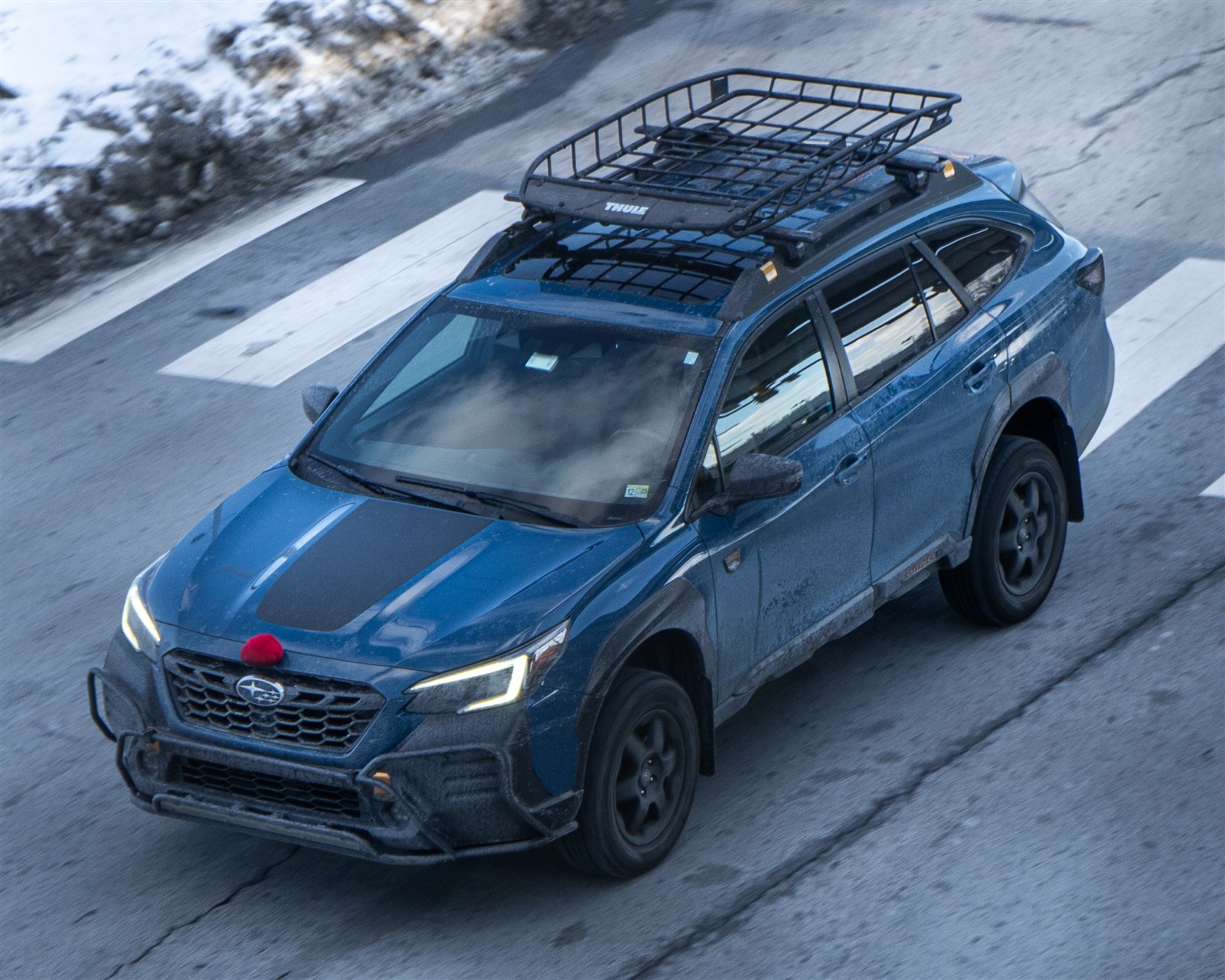
    Subaru Outback Wilderness driving with a Thule cargo basket mounted on the roof
    Photo: OWS Photography, CC BY 4.0, via Wikimedia Commons

    Why Position Matters

    Rear hatch clearance is usually the biggest concern. A box mounted too far back can interfere with the hatch and limit how far it opens — in many cases, positioning correctly matters more than choosing a different size. Stability also depends on proper placement: staying within the box’s mounting range keeps weight distributed correctly and the setup secure at highway speed. Every roof rack has adjustment limits, so the best position is whichever one satisfies the manufacturer’s recommended range while still giving enough hatch clearance for everyday use.

    Where Most Cargo Boxes Should Sit

    Perfect centering isn’t always necessary — slightly forward of center is often the ideal starting point, since it typically preserves hatch clearance without pushing the mounting points out of range. Hatch clearance usually ends up being the deciding factor in final position more than any other consideration. Always stay within the manufacturer’s specified mounting range rather than maximizing every inch of available roof space.

    Cargo box positioning zones on a Subaru roof Side-profile diagram of a Subaru showing three zones along the roofline for cargo box placement: too far forward, a recommended middle zone, and too far back where the box can interfere with the rear hatch’s swing path when opening. Cargo box Front Rear Too far forward Recommended zone Too far back Dashed line = hatch swing path

    Crossbar Placement Affects Box Position

    The distance between the front and rear crossbars (bar spread) helps determine where a box can be mounted — proper spread improves support and stability during highway driving, and most boxes are designed to work within a specific range. Not all roof rack systems offer the same adjustment flexibility: some allow the crossbars to move several inches, others are more limited. Greater flexibility makes it easier to fine-tune hatch clearance, so for many owners the roof rack system influences final positioning just as much as the box itself.

    Crosstrek vs Forester vs Outback

    All three models work well with cargo boxes, but adjustment flexibility varies. The Outback generally offers the most flexibility thanks to its longer roof, followed by the Forester, while the Crosstrek requires a little more attention to placement given its shorter roof. Proper positioning matters more than the vehicle itself, but a longer roof does make dialing in an ideal setup easier.

    FeatureCrosstrekForesterOutback
    Roof LengthShortestMediumLongest
    Hatch Clearance FlexibilityGoodVery GoodBest
    Large Box CompatibilityGoodVery GoodBest
    Adjustment RangeLimitedModerateExcellent
    Overall Ease of SetupGoodVery GoodExcellent

    Do Larger Boxes Need Different Positioning?

    Box length often affects fitment more than cubic-foot capacity — two boxes with similar capacity can have very different lengths, which changes how much attention positioning needs. Longer boxes make hatch interference more common and leave less margin for error, so a longer roof (like the Outback’s) makes positioning noticeably easier when running a larger box.

    Common Positioning Mistakes

    • Mounting the box too far back. The most common cause of hatch interference — usually solved by moving the box forward a few inches.
    • Moving the box too far forward. Can interfere with windshield visibility, increase wind noise, or push the mounting points outside the recommended range.
    • Ignoring rear hatch clearance. A setup that looks fine while parked can become frustrating in daily use — check hatch swing before tightening everything down.
    • Assuming every box fits the same. Proper placement depends on the specific combination of vehicle, crossbars, and box — what works for one setup may not work for another.

    What Actually Works

    Hatch clearance matters more than perfect symmetry — a position that’s slightly forward of center is normal and usually correct. Most positioning problems come from boxes sitting too far back, so if the hatch is catching, start by moving the box forward within its mounting range. A longer roof offers more room for error, but on any model, staying within the manufacturer’s range while checking hatch swing solves the vast majority of fitment issues.

    FAQs

    How far forward should a cargo box sit?

    Slightly forward of center, within the manufacturer’s recommended mounting range.

    Should a cargo box be centered on the roof?

    Not necessarily — hatch clearance matters more than perfect centering.

    Can a cargo box sit too far forward?

    Yes — it can affect visibility, increase wind noise, and exceed the mounting range.

    Will moving the box forward improve hatch clearance?

    In most cases, yes — moving it forward a few inches is the most common fix.

    Does cargo box position affect stability?

    Yes — staying within the recommended mounting range keeps the setup stable.

    Which Subaru has the most flexibility for cargo box placement?

    The Outback, thanks to its longer roof.

    Why does my rear hatch hit the cargo box?

    The box is likely mounted too far back — move it forward within its mounting range.

    Final Thoughts

    Cargo box position is a small adjustment that makes a big difference in daily usability. Staying within the manufacturer’s mounting range, positioning slightly forward of center, and checking hatch clearance before locking everything down solves most fitment issues on any Crosstrek, Forester, or Outback.

    Related Guides

    How to Stop Cargo Box Wind Noise

    Do Cargo Boxes Affect MPG?

    Cargo Box Height Garage Clearance Guide

    Best Cargo Box for Subaru Outback

    Best Cargo Box for Subaru Forester

    Best Cargo Box for Subaru Crosstrek

  • Cargo Box Height Garage Clearance Guide

    Adding a cargo box is an easy way to gain storage, but it also adds height that many Crosstrek, Forester, and Outback owners underestimate. Crossbars and a cargo box can raise the vehicle several inches — enough to create real problems in garages, parking decks, and drive-throughs. For owners who leave their box installed year-round, overall height often matters just as much as cargo capacity.

    What Determines Overall Height

    Total height comes from four stacked factors: the vehicle’s own height, the crossbars (which can add several inches before a box is even installed), the cargo box’s profile, and any suspension or tire changes. Owners who’ve modified their Crosstrek, Forester, or Outback should account for these on top of the stock number — a small increase in ride height can be the difference between comfortably fitting in a garage and losing access altogether.

    Low-Profile vs Taller Boxes

    Cargo box capacity and overall height aren’t always directly related — two boxes with similar storage volume can have very different profiles. For owners concerned about garage clearance, height often matters more than cubic feet, and a lower-profile box can provide enough storage while meaningfully reducing clearance risk. Lower-profile boxes also generally create less aerodynamic drag and less wind noise on the highway, so the height tradeoff pays off in more than one way.

    How to Measure Garage Clearance

    Measure the vehicle after the crossbars and cargo box are installed — manufacturer specs are a useful starting point, but actual height varies by setup. Use a tape measure from the ground to the highest point of the box for the most accurate number. For the garage side, measure the opening at its lowest point rather than relying on advertised dimensions — light fixtures, door tracks, and uneven floors can all reduce usable clearance below the official number.

    Garage clearance: vehicle height vs garage opening Diagram showing a Subaru with a roof-mounted cargo box, its total height measured from true ground level (below the wheels) to the top of the box. A horizontal line above represents the garage opening’s lowest point, with the gap between the box top and that line highlighted as the safety margin. Garage opening (lowest point) Vehicle height Safety margin Measure your full setup, then compare to the garage opening’s lowest point Leave several inches of margin for slopes and suspension movement

    A setup that technically fits can still cause problems — suspension movement, sloped driveways, and small measurement errors can all eat into your margin. Leaving several inches of extra clearance beyond your measured number provides real peace of mind, and re-measure any time you change tires or suspension, since both directly affect overall height.

    Crosstrek vs Forester vs Outback

    The Crosstrek starts with the lowest overall height of the three, giving it the most flexibility when adding crossbars and a box — it often accommodates taller boxes more comfortably than expected, though the full setup should still be verified. The Forester’s taller body means less clearance margin once crossbars and a box are added, so owners who frequently park in garages benefit from paying closer attention to box profile. The Outback’s lower roofline helps offset its longer body, making it well suited to larger cargo boxes without giving up as much clearance as its size might suggest.

    Common Mistakes

    • Assuming manufacturer dimensions tell the whole story. They’re a starting point — crossbars, boxes, larger tires, and suspension mods all change the real number.
    • Forgetting about crossbar height. Crossbars alone can add several inches before the box is even installed.
    • Not accounting for driveway slopes. A setup that fits on level ground can lose clearance entering or exiting on an angle.
    • Ignoring parking deck limitations. Public garages often post stricter and more reliable limits than your own driveway measurements.

    What Actually Works

    Most owners are better served by a low-profile setup than by maximizing capacity — clearance matters more day to day than a few extra cubic feet. Measuring once, with the full setup installed, prevents expensive mistakes down the line, and a taller box that seemed like a good deal can quickly become inconvenient if it turns daily parking into a puzzle.

    FAQs

    How much height does a cargo box add?

    Most add several inches, but the exact amount depends on the box and crossbar system — always measure your specific setup.

    Can I fit a cargo box in a standard garage?

    Often yes, but measure the complete setup rather than relying on factory vehicle dimensions.

    Which Subaru has the most garage-friendly height?

    The Crosstrek typically offers the most flexibility, while the Outback balances capacity with a relatively low roofline.

    How much clearance should I leave?

    Several inches beyond your measured number, to cover slopes, suspension movement, and measurement error.

    Can suspension lifts or larger tires affect clearance?

    Yes — both increase overall vehicle height and should be re-measured after any change.

    Should I remove the cargo box when not using it?

    Many owners do, specifically to simplify garage access and avoid the daily height check.

    Final Thoughts

    Garage clearance comes down to measuring the full setup, not just the vehicle — and leaving a real safety margin beyond that number. A low-profile box that fits comfortably beats a larger one that turns every parking attempt into a guessing game.

    Related Guides

    How Far Forward Should a Cargo Box Sit?

    How to Stop Cargo Box Wind Noise

    Do Cargo Boxes Affect MPG?

    Best Cargo Box for Subaru Outback

    Best Cargo Box for Subaru Forester

    Best Cargo Box for Subaru Crosstrek

  • Best Crossbars For Kayaks

    Disclosure: This article contains affiliate links. I may earn a commission at no extra cost to you.

    Quick Picks: Best Crossbars for Kayaks

    • Best crossbars: Yakima JetStream Crossbars (Amazon)

    • Best kayak carrier: Yakima JayLow Kayak Carrier (Amazon)

    Many Subaru owners eventually discover that carrying kayaks involves more than simply adding crossbars.

    Whether you drive a Crosstrek, Forester, or Outback, the right setup can improve stability, loading, and everyday usability.

    For most owners, bar spread, usable width, and accessory compatibility matter more than maximum weight ratings.

    The goal is choosing a setup that fits how you actually use your Subaru, both on the water and during daily driving.

    What Makes A Good Crossbar For Kayaks?

    Stability Matters More Than Weight Capacity

    Many Subaru owners focus on weight ratings, but stability is usually more important when carrying kayaks.

    A secure setup that minimizes movement during highway driving often matters more than maximizing carrying capacity. Most Crosstrek, Forester, and Outback owners will reach practical limits long before reaching weight limits.

    Why Bar Spread Is Important

    The distance between the front and rear crossbars helps support the kayak and improve stability.

    Greater bar spread can reduce movement and provide a more secure feel, especially when carrying longer kayaks. This is one reason roof length can influence overall setup flexibility.

    Crossbar Width And Usable Space

    Longer crossbars provide additional usable space outside the roof rails.

    This extra width becomes valuable when carrying two kayaks or combining kayak carriers with other accessories. For a single kayak, standard-length bars are often sufficient.

    Accessory Compatibility

    Not all crossbars work equally well with every kayak carrier.

    Slot systems, clamp styles, and crossbar shapes can affect compatibility. Choosing a system that works with your preferred carriers can make installation and future upgrades much easier.

    Everyday Driving Considerations

    Crossbars remain on the vehicle long after the kayak comes off.

    Wind noise, garage clearance, and overall convenience all affect daily usability. For many owners, the best setup balances kayak performance with how the vehicle is used the rest of the year.

    Factory Crossbars vs Aftermarket Crossbars For Kayaks

    When Factory Crossbars Are Enough

    Factory crossbars work well for many Subaru owners carrying a single kayak a few times each year.

    For occasional use, they often provide enough support without the added cost or complexity of an aftermarket system. Many owners never need anything more.

    Where Aftermarket Crossbars Have Advantages

    Aftermarket systems offer greater flexibility, wider bar options, and improved accessory compatibility.

    These advantages become more noticeable when carrying two kayaks, combining accessories, or using larger carriers. Additional adjustment can also help optimize fitment and stability.

    Which Setup Makes Sense For Most Owners

    For occasional paddlers, factory crossbars are often enough.

    Owners who kayak frequently or plan to carry multiple boats and accessories may benefit from the additional flexibility offered by aftermarket systems. The best choice depends less on weight capacity and more on how often the setup will be used.

    FeatureFactory CrossbarsAftermarket Crossbars
    Single KayakExcellentExcellent
    Two KayaksAdequateBetter
    Bar Width OptionsLimitedMore Choices
    Accessory CompatibilityGoodExcellent
    Adjustment FlexibilityLimitedBetter
    Daily ConvenienceExcellentGood
    Best ForOccasional UseFrequent Use & Multiple Accessories

    Best Crossbars For One Kayak

    Why Most Owners Only Need Moderate Width

    For a single kayak, most Crosstrek, Forester, and Outback owners do not need unusually long crossbars.

    Standard widths typically provide enough support and carrier space without adding unnecessary overhang or bulk.

    Stability During Highway Driving

    A stable setup matters more than maximum width.

    Proper crossbar spacing and secure carriers help minimize movement and provide greater confidence during highway driving. For one kayak, most factory and aftermarket systems provide adequate support.

    Balancing Utility And Simplicity

    Many owners only transport a kayak occasionally and use their Subaru as a daily driver the rest of the time.

    For these situations, moderate-width crossbars often offer the best balance between kayak capability and everyday practicality. They provide enough utility without making the vehicle more cumbersome to live with year-round.

    Best Crossbars For Two Kayaks

    Why Width Matters More

    Carrying two kayaks usually requires more usable crossbar space than carrying one.

    Longer or wider crossbars make it easier to position carriers and maintain proper spacing. For many owners, width becomes more important than overall weight capacity.

    Managing Space Efficiently

    Two-kayak setups often benefit from J-cradles or other space-saving carriers.

    Efficient accessory placement can make a standard-width setup work, while wider bars provide additional flexibility and make loading easier.

    Planning For Future Gear

    If you expect to carry two kayaks regularly, or add bikes or a cargo box later, choosing crossbars with extra usable space can make sense.

    Many owners find that planning for future gear needs helps avoid replacing the entire roof rack system down the road.

    Crosstrek vs Forester vs Outback For Kayak Carrying

    Crosstrek Considerations

    The Crosstrek can handle one or two kayaks, but its shorter roof provides less flexibility for larger setups.

    Most owners do well with moderate-width crossbars and space-efficient carriers. Proper fitment becomes more important when carrying two kayaks.

    Forester Considerations

    The Forester offers more roof space and additional height, making it easier to carry larger kayaks or multiple accessories.

    Many owners find it provides a good balance between everyday practicality and roof rack versatility.

    Outback Considerations

    The Outback’s longer roof provides the most flexibility for kayak setups.

    The added length can improve bar spread and make it easier to position carriers while maintaining usable space for additional gear. Owners carrying two kayaks or combining kayaks with bikes or cargo boxes often benefit from the extra roof length.

    Which Subaru Is Easiest To Set Up

    All three models work well for kayak carrying, but the Outback generally offers the most flexibility, followed by the Forester.

    The Crosstrek remains highly capable, but its smaller roof means setup choices matter more. For most owners, the easiest vehicle to set up is simply the one that matches how much gear they actually plan to carry.

    FeatureCrosstrekForesterOutback
    Roof LengthShortestMediumLongest
    Bar SpreadGoodBetterBest
    Single KayakExcellentExcellentExcellent
    Two KayaksGoodVery GoodBest
    Overall FlexibilityGoodVery GoodExcellent

    Common Kayak Crossbar Buying Mistakes

    Focusing Only On Weight Capacity

    Many owners assume weight capacity is the most important factor.

    In reality, stability, bar spread, and accessory fitment usually matter more. Most kayaks are well below the roof rack’s weight limits.

    Buying Bars Longer Than Necessary

    Extra width can be helpful, especially for two-kayak setups, but longer bars are not always better.

    Excessive overhang can add wind noise and become inconvenient during everyday use. Most owners only need enough width for their typical gear.

    Ignoring Accessory Compatibility

    Not all crossbars work equally well with every kayak carrier.

    Before buying, it is worth confirming that the crossbar shape and dimensions are compatible with the carriers and accessories you plan to use.

    Forgetting About Daily Driving

    A roof rack setup affects the vehicle even when no kayaks are loaded.

    Wind noise, garage clearance, and overall convenience are all worth considering. For most Crosstrek, Forester, and Outback owners, the best setup is one that works both on the water and during everyday driving.

    What Actually Works (Based On Real Use)

    Most Owners Need Less Rack Than They Think

    Many Subaru owners assume they need the biggest and strongest roof rack available.

    In reality, most kayak setups do not require oversized crossbars. Choosing a system that matches your actual gear usually results in a simpler and more practical setup.

    Factory Crossbars Work For Many Single-Kayak Setups

    For owners carrying one kayak, factory crossbars are often enough.

    As long as the crossbars support the carrier and provide adequate bar spread, many stock systems handle occasional and recreational use without issue.

    Two Kayaks Usually Favor Wider Bars

    Carrying two kayaks often places a greater emphasis on usable crossbar width.

    Wider bars provide more flexibility for carrier placement and can make loading multiple kayaks easier, especially when combining gear in the future.

    Stability Matters More Than Maximum Weight Ratings

    Most kayaks do not come close to the roof rack’s weight limits.

    For everyday use, proper fitment, secure carriers, and adequate bar spread usually have a bigger impact on stability than chasing the highest weight rating available.

    FAQs

    Are factory Subaru crossbars strong enough for kayaks?

    Yes. Factory crossbars are sufficient for many single-kayak setups, provided they meet the vehicle’s load limits.

    Do I need aftermarket crossbars for two kayaks?

    Not always. However, wider aftermarket bars often provide more usable space and flexibility for two-kayak setups.

    How wide should kayak crossbars be?

    Most owners only need moderate-width bars. Extra width becomes more useful when carrying two kayaks or multiple accessories.

    Are longer crossbars better for kayaks?

    Not necessarily. Longer bars add usable space, but excessive width can create noise and inconvenience.

    Which Subaru is best for carrying kayaks?

    All three models work well. The Outback offers the most flexibility, followed by the Forester, while the Crosstrek benefits from more compact setups.

    Can I carry a kayak and a cargo box together?

    Yes. This combination is common, but it may require wider crossbars and careful accessory placement.

    Are aero bars or round bars better for kayaks?

    Both work well. Aero bars are generally quieter, while round bars offer broad accessory compatibility.

    How much weight can Subaru crossbars support?

    Load limits vary by vehicle and crossbar system. Always follow the limits specified by Subaru and the crossbar manufacturer.

    Do kayak carriers work with factory crossbars?

    Usually yes. Most kayak carriers are compatible with factory crossbars, but it is worth verifying fitment before purchasing.

    Final Thoughts

    The best kayak crossbars are the ones that match how you actually use your Subaru.

    For many owners, factory crossbars are enough for one kayak, while two-kayak setups often benefit from wider bars and greater flexibility. The right balance depends on your gear and how often you use it.

    As your needs change, factors like crossbar length, carrier style, and combining accessories can become just as important as the rack itself.

    Recommended Products:

    Yakima JetStream Crossbars

    Yakima JayLow Kayak Carrier

    Related Guides

    What Crossbar Length Do You Need?

    What Size Cargo Box Fits a Crosstrek?

    What Size Cargo Box Fits an Outback?

  • What Size Cargo Box Fits a Crosstrek?

    Disclosure: This article contains affiliate links. I may earn a commission at no extra cost to you.

    The Crosstrek has the shortest, narrowest roof of the three current Subaru models, and the lowest ride height — easiest to load, but with the least room to spare once a box gets big. Where an Outback or Forester can size up without much penalty, the Crosstrek is the one Subaru where picking the right size actually matters.

    Here’s what realistically fits, and where the ceiling actually is.

    Quick Picks

    • Best for most Crosstrek owners: Medium cargo box (15-17 cu ft) — the realistic sweet spot for the Crosstrek’s narrower roof.
    • Best if you need more room: Yakima SkyBox 18 — still a comfortable fit for most trips.
    • Only if you’ve verified fitment: Thule Motion 3 XL — pushes the Crosstrek’s realistic ceiling; check hatch clearance before buying.
    Subaru Crosstrek with roof cargo box, front angle

    Choosing a Cargo Box Size for a Crosstrek

    The Sweet Spot: Medium

    The Crosstrek’s low roof makes loading easy, but its shorter, narrower footprint means a box that looks reasonable on an Outback can crowd the roofline here. A medium cargo box in the 15-17 cubic foot range is the realistic sweet spot — enough for weekend trips and camping gear without pushing the vehicle’s limits.

    Sizing Up: Where It Still Works

    For owners who need more than a medium box provides, the Yakima SkyBox 18 is still a comfortable fit for most Crosstreks and covers families or longer trips without stretching the roof too far.

    XL: A Stretch, Not a Given

    Unlike the Outback or Forester, XL boxes on a Crosstrek are genuinely limited — the shorter roof leaves less margin for a long box before it interferes with the rear hatch. The Thule Motion 3 XL can work, but verify hatch clearance with your specific crossbar setup before buying rather than assuming it’ll fit like it would on a larger Subaru.

    Hatch Clearance Matters More Here

    Box length, not cubic feet, causes hatch interference — and the Crosstrek has the least room to absorb a long box. Adjusting crossbar spread and sliding the box forward can solve borderline cases, but on a Crosstrek it’s worth checking before you buy, not after.

    Crosstrek vs Forester vs Outback Cargo Box Sizing

    ModelRoof LengthLoading HeightRealistic Ceiling
    CrosstrekShortest, narrowestLowest, easiest to reachMedium-Large; XL is a stretch
    ForesterModerateTallest — more reach to loadLarge; XL adds real loading effort
    OutbackLongest of the threeModerateXL boxes, with room to spare

    The Crosstrek’s tradeoff is the mirror image of the Outback’s: easiest to load, but the shortest roof means sizing up takes more care rather than less.

    Cargo Box Size by Crosstrek Generation

    First-generation Crosstreks (2013-2017) work best with small and medium boxes — large is possible but fitment gets tighter. Second-generation (2018-2023) and current-generation (2024-present) models have slightly improved roof rack systems and handle medium and large boxes comfortably, though XL still isn’t a given. The Crosstrek Wilderness shares the standard model’s roof dimensions, so the same size guidance applies — its added ride height just means a bit more reach when loading.

    Common Mistakes Crosstrek Owners Make

    • Buying XL because it worked on a friend’s Outback. The Crosstrek’s shorter roof doesn’t have the same margin — check fitment first.
    • Overlooking box length in favor of cubic feet. On a Crosstrek, length is what causes hatch problems, not capacity.
    • Leaving the box mounted year-round. It adds noticeable drag and wind noise on a smaller vehicle even when empty.

    FAQs

    What size cargo box fits a Subaru Crosstrek?

    Most Crosstreks are best suited to 15-18 cubic feet. Larger boxes can fit, but the shorter roof means checking hatch clearance matters more than on an Outback or Forester.

    Is a 21+ cubic foot box too big for a Crosstrek?

    For many Crosstreks, yes — XL boxes are the one size where fitment genuinely varies. Verify hatch clearance with your crossbar setup before buying.

    Does the Crosstrek Wilderness fit larger boxes?

    The roof dimensions match the standard Crosstrek, so the same size guidance applies. Its added ride height adds a little more reach when loading.

    Why does the Crosstrek have a lower ceiling than the Forester or Outback?

    Its roof is both shorter and narrower than the other two, which leaves less margin before a long box interferes with the rear hatch.

    Final Thoughts

    The Crosstrek is the easiest of the three Subarus to load, but the one where box size deserves the most thought. A medium box is the realistic default, a SkyBox 18 covers most owners who need more, and XL is worth verifying before you buy rather than assuming it’ll fit.

    Recap: Best Cargo Box Sizes for a Subaru Crosstrek

    Related Guides

    What Size Cargo Box Fits a Forester?

    What Size Cargo Box Fits an Outback?

    What Crossbar Length Do You Need?

    Best Crossbars For Kayaks