Disclosure: This article contains affiliate links. I may earn a commission at no extra cost to you.
A roof tent and a ground tent solve the same problem — somewhere to sleep on a camping trip — in genuinely different ways, and the right choice depends more on how often you camp and what your crossbars can carry than on which one is objectively “better.” Neither wins outright; they trade off against each other in predictable ways.
Quick Picks
- Best roof tent (softshell, budget): Smittybilt Overland GEN2 Tent STD — the most realistic entry point into roof tents without a premium hardshell price tag.
- Best roof tent (with awning): Adventurer Pro Hard Shell Rooftop Tent — hardshell setup speed plus a built-in side awning, useful if you don’t want to buy the two separately.
- Best ground tent: CORE Instant Cabin Tent — the lower-cost, more flexible starting point for most people.

Setup Speed and Effort
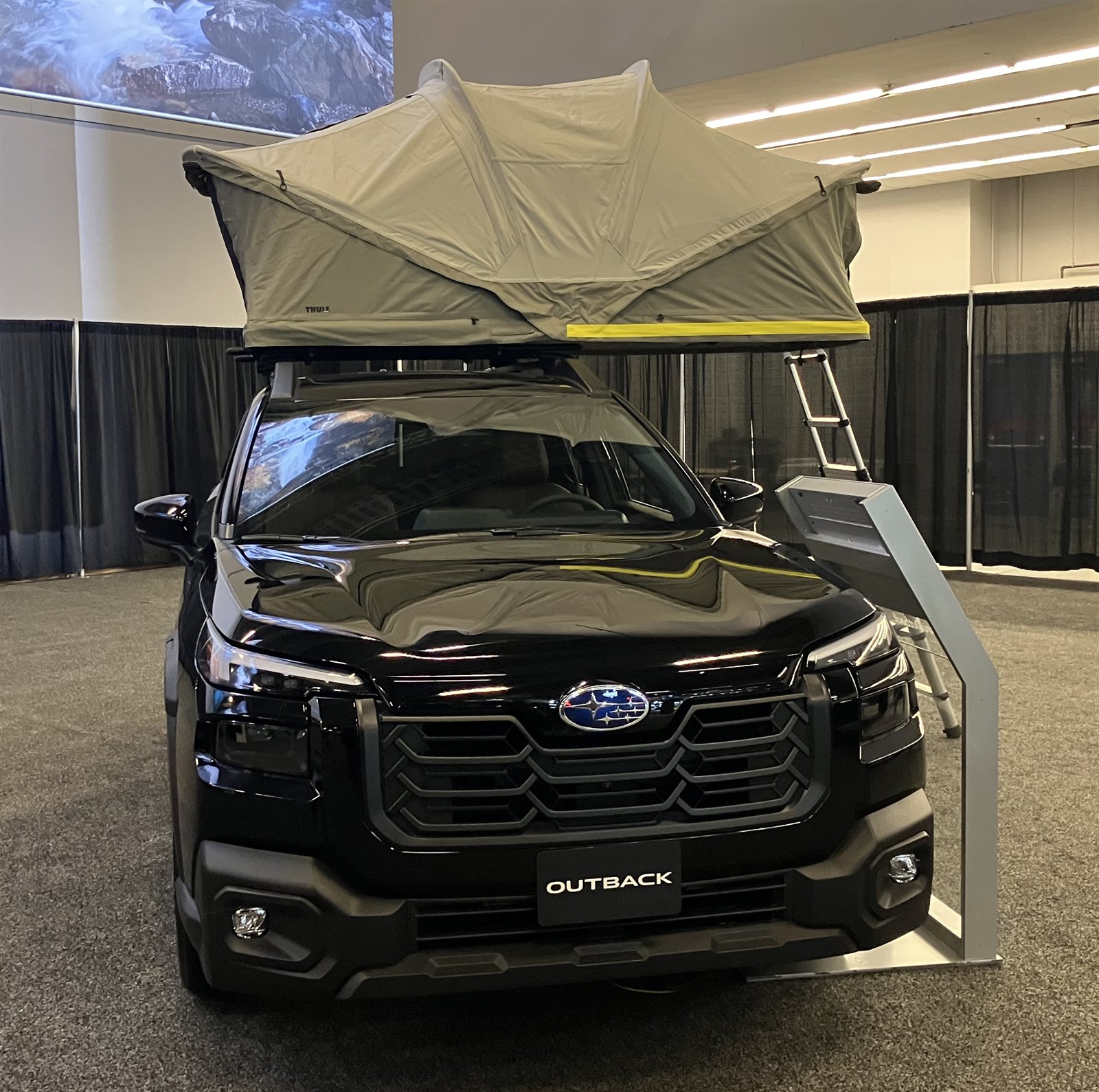
Roof tents win this category outright — most fold out in under a minute, no stakes, no finding level ground. A ground tent, even an “instant” cabin-style one, takes longer to pitch and requires a reasonably flat, clear site. If you camp often enough that setup time adds up, or you tend to arrive at a site after dark, that difference is worth more than it sounds.
Cost and Commitment
Ground tents are cheaper to buy and cheaper to replace if damaged. Roof tents run several times the cost of a comparable ground tent, plus they need compatible crossbars rated for the weight — not a given on every setup. For occasional camping, a ground tent is the lower-risk way to find out how much you actually enjoy it before committing to roof-tent money.
Comfort and Capacity
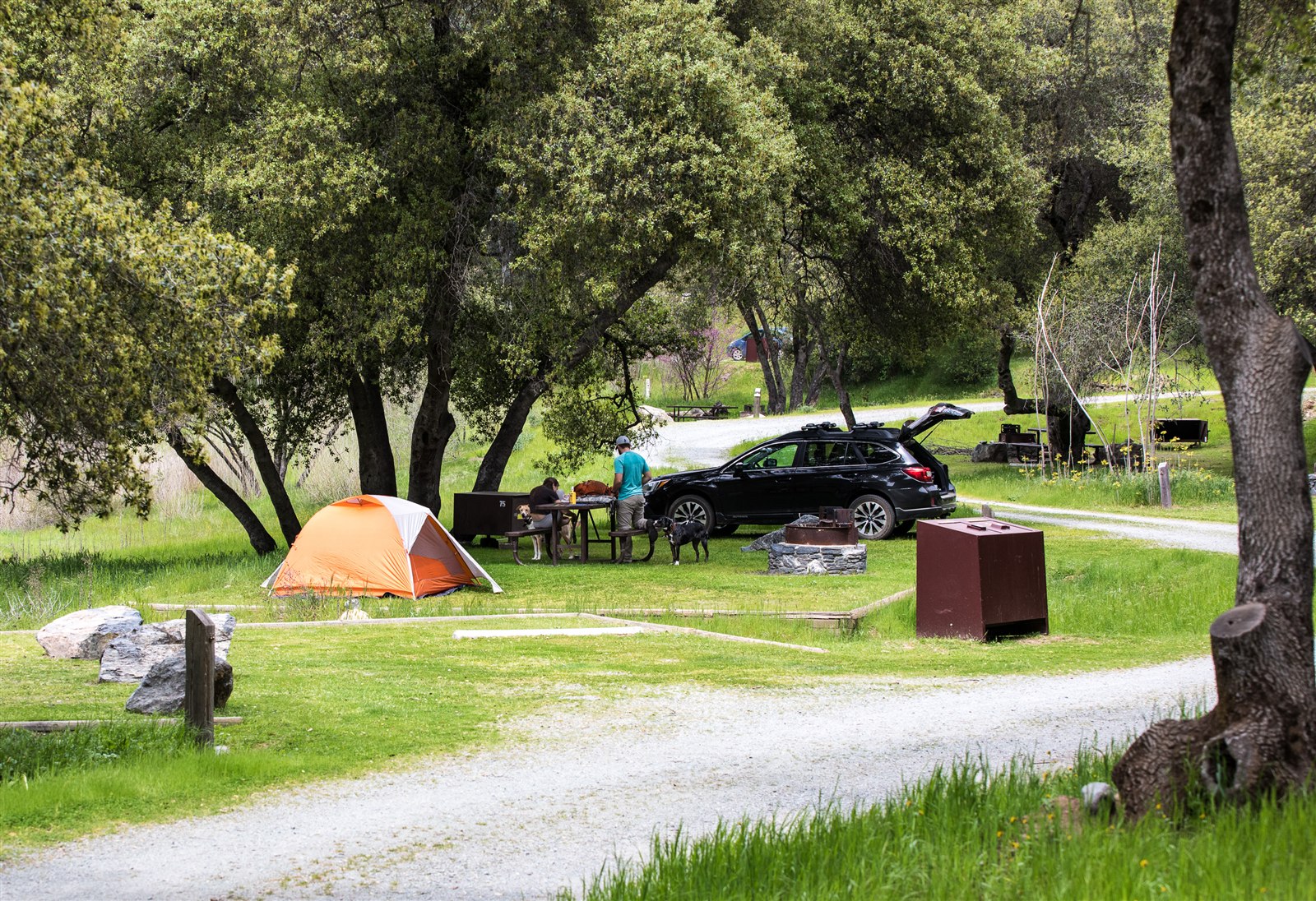
Ground tents scale to a family more easily and cheaply — a 6-person cabin tent costs a fraction of a roof tent rated for the same number of sleepers. Roof tents are typically sized for 2-3 people, which makes them a better fit for couples or smaller families than for a full family trip. Roof tents do have one real comfort edge: you’re off the ground, away from rocks, roots, and crawling insects, with a built-in mattress that doesn’t need separate padding.
What It Does to Your Daily Driving
A roof tent, once mounted, tends to stay mounted — most are heavy enough that removing and reinstalling it for every trip isn’t realistic. That means daily driving with it on: real fuel economy loss, wind noise, and a permanent height increase to remember at parking garages and drive-thrus. A ground tent has zero impact on daily driving since it lives in the trunk between trips, not on the roof.
Which One Actually Fits Your Camping Style
| Roof Tent | Ground Tent | |
|---|---|---|
| Setup speed | Fastest | Slower, needs a clear site |
| Cost | High, plus rated crossbars | Low |
| Best group size | 2-3 people | Scales to families cheaply |
| Daily driving impact | Real (stays mounted) | None |
| Best for | Frequent campers, couples | Occasional trips, families, first-time buyers |
Common Mistakes
- Buying a roof tent before confirming crossbar weight ratings. Not every crossbar setup can support one — check before buying, not after.
- Choosing a roof tent for a family of four. Most are sized for 2-3 people; a ground tent handles a larger family for less money.
- Underestimating the daily-driving tradeoff. A mounted roof tent isn’t a weekend-only accessory — it affects every drive until it comes off.
FAQs
Is a roof tent worth it for occasional camping?
Usually not — the cost and daily-driving tradeoff pay off more for frequent campers than occasional ones. A ground tent is the lower-commitment starting point.
Can any Subaru support a roof tent?
Only with crossbars rated for the tent’s weight — check your specific crossbar and roof weight limits before buying. See our Roof Weight Limits guide.
Does a roof tent hurt gas mileage?
Yes, noticeably, since it typically stays mounted rather than coming off between trips — similar to any large roof-mounted accessory.
Which is better for a family?
A ground tent, in almost every case — cheaper, sized for more people, and no daily-driving tradeoff.
Final Thoughts
Neither option is a clear upgrade over the other — they fit different camping styles. Frequent campers and couples get real value from a roof tent’s speed and comfort. Occasional campers and families are usually better served by a ground tent’s lower cost, larger capacity, and zero impact on daily driving.
Leave a Reply