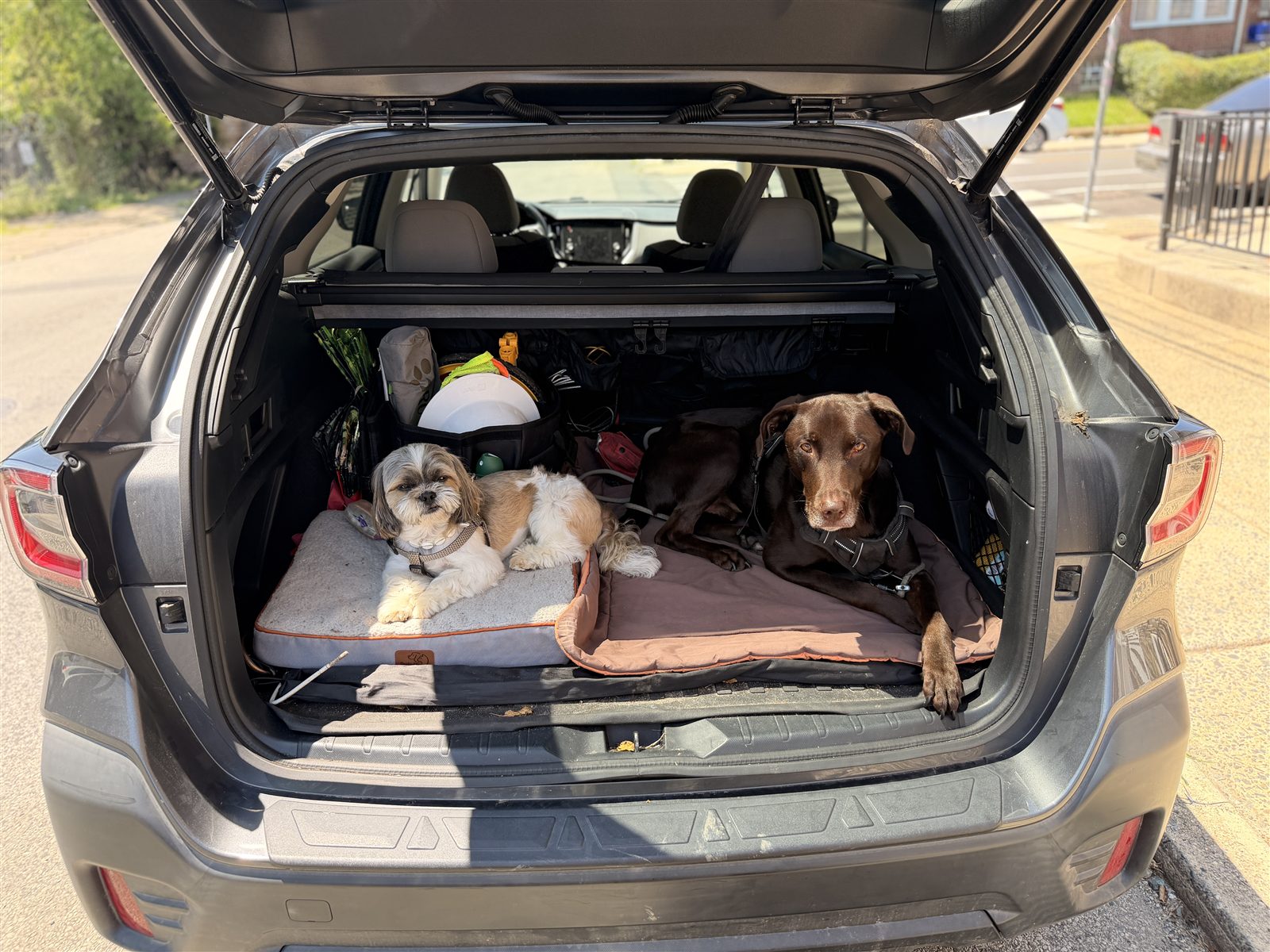
Author: Kalford215

  • Subaru Outback Car Camping Setup (Simple)

    Disclosure: This article contains affiliate links. I may earn a commission at no extra cost to you.

    Car camping in a Subaru does not need to turn into a full build to work well. For most people, simpler setups are easier to manage, easier to reset, and more practical for real trips.

    The Outback works especially well because it offers enough room to sleep comfortably without becoming difficult to live with day to day. The Forester and Crosstrek can work too, but space and setup flexibility feel different depending on the vehicle and how you camp.

    A lot of camping setups become more complicated than they need to be. In real use, comfort, organization, airflow, and easy cleanup usually matter more than having the most gear.

    This guide focuses on simple car camping setups that actually work in daily use without overbuilding the vehicle.

    Why the Outback Works Well for Simple Car Camping

    Lower Setup Complexity Compared to Larger Vehicles

    The Outback works well for simple car camping because it doesn’t need much to become usable.

    Larger vehicles often lead to more permanent setups like drawer systems, sleeping platforms, or oversized storage. Those setups can work, but they also add complexity, cost, and setup time.

    The Outback sits in a more practical middle ground. There’s enough space to sleep, organize gear, and stay comfortable without fully building out the vehicle.

    In real use, simpler setups usually work best:

    • folding sleeping pads
    • soft bags
    • small organizers
    • basic ventilation

    It also transitions back to daily driving more easily than larger camping-focused vehicles.

    For most people, that balance is the advantage. Enough space to camp comfortably without turning the vehicle into a permanent setup.

    Interior Space vs Exterior Size

    The Outback works well for car camping because it offers usable interior space without feeling oversized during daily driving.

    Larger SUVs and vans provide more room, but they’re also bulkier, harder to park, and less practical outside of camping. Smaller vehicles are easier to manage, but space fills up quickly once sleeping gear and storage are involved.

    The Outback sits in a practical middle ground. There’s enough room to sleep comfortably and organize gear while still keeping the vehicle easy to drive and live with day to day.

    In real use, that balance matters more than maximum cargo space for most people.

    Why Simplicity Matters More Than Gear

    Most car camping setups become harder to use once too much gear gets involved.

    Large storage systems, permanent platforms, and oversized equipment can add comfort, but they also take up space, increase setup time, and make the Outback less flexible for normal use.

    In real use, simpler setups are usually easier to manage, easier to reset, and more practical day to day.

    For most people, comfort and organization matter more than having the most gear.

    What Actually Matters in a Simple Car Camping Setup

    Sleep Comfort

    Sleep comfort matters more than most gear decisions.

    In real use, enough padding, a level sleeping surface, and temperature control matter more than complicated setups or extra equipment.

    For most people, folding sleeping pads or simple foam mattresses work better than permanent platform builds. They’re easier to manage, take up less space, and keep the Outback more flexible for daily use.

    The goal isn’t a perfect bedroom setup. It’s sleeping comfortably enough that the trip still feels enjoyable the next day.

    Options like the HEST Foamy and Therm-a-Rest MondoKing are popular because they balance comfort without requiring a permanent setup. Small upgrades like a Trekology camping pillow or a Pendleton wool blanket also make longer trips noticeably more comfortable without adding much bulk.

    Easy Setup and Breakdown

    A setup that takes too long to build or pack away usually becomes frustrating over time.

    In real use, simpler systems work better because they’re faster to manage at night, easier to reset in the morning, and less annoying during short trips or bad weather.

    Folding sleeping pads, soft storage, and minimal gear are usually easier to live with than permanent platforms or oversized storage systems.

    For most people, the best setup is the one that stays easy to use trip after trip.

    Storage Without Losing Sleeping Space

    Storage becomes a problem quickly once sleeping gear is set up inside the Outback.

    Large bins and permanent storage systems can organize gear well, but they also reduce usable sleeping space and make the setup feel tighter.

    In real use, softer and more flexible storage usually works better. Duffel bags, smaller organizers, and movable gear are easier to manage once it’s time to sleep.

    The goal isn’t maximum storage. It’s keeping essential gear accessible without making the space feel cramped.

    Ventilation and Airflow

    Ventilation matters more than most people expect once you start sleeping inside the Outback.

    Without airflow, the interior gets stuffy quickly and condensation builds up overnight, especially in cooler weather.

    In real use, cracked windows and simple bug screens are usually enough for most setups. Small fans can help in warmer conditions, but complicated ventilation systems are rarely necessary.

    The goal is consistent airflow without adding unnecessary setup complexity.

    Simple car window bug screens and compact USB camping fans are usually enough for most Subaru camping setups. Subaru Outback window visors also help because they allow windows to stay cracked during rain without bringing water inside.

    Privacy and Light Control

    Privacy matters more once you start sleeping in the vehicle regularly.

    Without window coverage, interior lights, parking lots, and early sunlight make the space feel exposed and harder to sleep in.

    In real use, simple window covers usually work better than permanent solutions because they’re easier to install, remove, and store.

    The goal is enough privacy and light control to sleep comfortably without adding unnecessary setup complexity.

    Foldable sun shades, Reflectix insulation panels, and magnetic window covers improve privacy while also helping with temperature control during early mornings and warmer days.

    Keeping the Setup Flexible for Daily Driving

    A camping setup that takes over the vehicle usually becomes frustrating outside of trips.

    Permanent platforms, oversized storage, and gear that stays installed full time can make the Outback less practical for daily use.

    In real use, removable and flexible setups usually work better. Folding sleep systems and soft storage keep the vehicle easier to reset and live with day to day.

    For most people, the best setup is one that works for camping without making normal driving worse.

    Sleeping Inside the Subaru Outback

    Rear Seats Folded vs Partial Fold Setup

    Folding the full rear seat creates the most usable sleeping space and usually works best for dedicated camping trips.

    A partial fold setup keeps one rear seat usable for passengers or extra storage, but the sleeping area becomes tighter and harder to organize comfortably.

    In real use, full fold setups feel better for sleeping, while partial fold setups work better when flexibility matters more than space.

    Sleeping Platform vs Sleeping Pad

    Sleeping platforms create a flatter and more structured sleeping surface, but they also take up space and make the Outback less flexible for daily use.

    Sleeping pads are simpler, easier to store, and faster to set up.

    In real use, platforms work better for frequent camping, while sleeping pads usually make more sense for simpler and more occasional setups.

    For most people, comfort matters more than having a permanent build.

    The Luno Air Mattress works well for comfort-focused trips, while simpler options like the Milliard Tri-Fold Mattress are easier to move and store. Platform systems improve organization and flat sleeping space, but they also add weight and complexity.

    How Much Space You Actually Have

    The Outback has enough room for simple car camping, but the usable space feels smaller once sleeping gear and storage are inside.

    For one person, the setup usually feels comfortable. Two people can fit, but organization becomes more important and the space feels tighter quickly.

    In real use, the challenge is usually managing gear without making the sleeping area feel cramped.

    Leveling the Rear Cargo Area

    The rear cargo area in the Outback is not perfectly flat once the seats are folded down. Small height differences become noticeable when sleeping.

    In real use, simple padding or small fillers usually work well enough without needing a full platform setup.

    Permanent leveling platforms create a flatter surface, but they also reduce flexibility and take up space.

    For most people, improving comfort slightly matters more than creating a perfectly flat setup.

    Small foam fillers and simple cargo gap pads usually solve most uneven sleeping surface issues without requiring a full sleeping platform.

    Real-World Comfort for One Person vs Two People

    For one person, the Outback usually feels comfortable without much effort. There’s enough room to sleep and organize gear without the setup feeling crowded.

    Two people can fit, but space becomes tighter quickly once sleeping gear and storage are inside.

    In real use, comfort with two people usually depends more on keeping the setup simple and limiting extra gear.

    Sleeping Setup Comparison

    Setup TypeComfortSetup SpeedStorage ImpactFlexibilityBest For
    Sleeping PlatformHighSlowHighLowFrequent camping
    Foam Sleeping PadMedium-HighFastLowHighMost simple setups
    Air MattressMediumMediumMediumMediumOccasional trips
    Folded Seats OnlyLowFastestNoneHighestQuick overnight use

    Cargo and Storage Setup

    Keeping Gear Accessible

    Accessibility matters more than maximum storage during car camping.

    If gear gets buried or stacked too tightly, the setup quickly becomes frustrating to use.

    In real use, simpler layouts usually work better. Keeping frequently used items easy to reach makes the space easier to manage without constant rearranging.

    The goal isn’t fitting the most gear possible. It’s keeping the setup functional day to day.

    Open Storage vs Bins

    Open storage keeps the Outback more flexible, but smaller items shift around and become harder to manage.

    Bins create more structure and organization, but they also take up space and can make the setup feel tighter once sleeping gear is inside.

    In real use, smaller and softer storage usually works better for simple car camping.

    The right balance depends on whether flexibility or organization matters more for the trip.

    Soft duffel bags like the Patagonia Black Hole Duffel, packing cubes, and collapsible storage bins fit around passengers and uneven cargo areas much more easily than oversized hard containers.

    What Should Stay Outside the Sleeping Area

    Large bags, dirty gear, and items you won’t need overnight usually work better outside the sleeping area.

    In real use, the space feels cramped quickly once extra gear starts building up around where you sleep.

    The goal is keeping the sleeping area clear enough to stay comfortable without constantly moving gear around.

    Soft Storage vs Hard Storage

    Soft storage usually works better in the Outback because it compresses and fits around the sleeping area more easily.

    Hard storage keeps gear more organized and protected, but it also takes up more fixed space and makes the setup feel tighter.

    In real use, soft storage fits simpler and more flexible setups better, while hard storage works better for heavier or more structured gear.

    Soft cargo bags usually work better for flexible packing because they compress around other gear more easily. Hard storage bins like Plano storage bins make more sense for heavier, dirty, or fragile equipment that needs extra protection.

    Preventing Clutter in Small Spaces

    Clutter builds up quickly once sleeping gear and everyday items start sharing the same space.

    In real use, keeping items grouped and limiting unnecessary gear makes the setup easier to manage.

    Simple storage and open space usually work better than trying to organize everything too tightly.

    Simple Cooking and Food Setup

    Cooking Outside vs Inside the Vehicle

    Cooking outside usually works better for simple car camping. It keeps heat, smells, and moisture out of the sleeping area.

    Cooking inside the Outback can work when needed, but space becomes tight quickly and ventilation matters more.

    In real use, simpler outdoor cooking setups are usually easier to manage.

    Cooler vs Powered Fridge

    Coolers are simpler, cheaper, and easier to manage for most car camping trips.

    Powered fridges keep food colder longer and remove the need for ice, but they also take up more space and add power requirements to the setup.

    In real use, coolers usually make more sense for simpler and occasional trips, while powered fridges work better for longer or more frequent camping.

    RTIC coolers work well for weekend travel, while powered fridges like ICECO portable fridges make more sense for longer trips or frequent camping. Smaller YETI ice packs also help reduce loose ice and water inside the cargo area.

    Water Storage Basics

    Water takes up more space than most people expect during car camping.

    In real use, smaller and easier-to-move containers usually work better than oversized tanks for simple setups. They’re easier to refill, store, and shift around once sleeping gear is inside the vehicle.

    The goal is carrying enough water without making the setup harder to manage.

    Collapsible water containers usually work better for flexible packing because they store more easily once empty. Larger rigid water jugs like Reliance water containers work better for longer campground stays.

    Keeping Meals Simple

    Complicated meal setups usually become frustrating in a smaller car camping space.

    In real use, simpler meals create less cleanup, require less gear, and make the overall setup easier to manage.

    The goal isn’t building a full camp kitchen. It’s having food that’s easy to store, prepare, and clean up without taking over the vehicle.

    Managing Smells and Condensation

    Smells and condensation build up quickly in a smaller sleeping space, especially after cooking or in cooler weather.

    In real use, airflow matters more than most people expect. Cracked windows, basic ventilation, and keeping cooking outside when possible help reduce both issues.

    The simpler and cleaner the setup stays, the easier the interior is to manage overnight.

    Ventilation and Weather Protection

    Why Airflow Matters More Than People Expect

    Poor airflow makes the Outback feel stuffy faster than most people expect, especially overnight.

    In real use, lack of ventilation leads to condensation, trapped heat, and uncomfortable sleeping conditions even in mild weather.

    Simple airflow usually works best. Slightly cracked windows and basic bug screens are often enough to keep the space more comfortable without adding complicated gear.

    Rain Protection Without a Large Setup

    Large awnings and permanent shelters add coverage, but they also add cost, setup time, and storage requirements.

    In real use, smaller and simpler rain protection usually works better for casual car camping. Using the hatch for cover, staying organized, and keeping gear easy to move makes bad weather easier to manage without overbuilding the setup.

    The goal is staying reasonably dry without turning the setup into a full campsite build.

    Window Cracking and Bug Screens

    Cracking the windows slightly makes a bigger difference than most people expect for airflow and condensation control.

    The problem is bugs. Without screens, leaving windows open usually becomes frustrating quickly in warmer weather.

    In real use, simple bug screens are usually enough for most setups. They keep airflow moving without adding much setup time or extra gear.

    Condensation Problems in Real Use

    Condensation builds up faster than most people expect when sleeping inside the Outback, especially in cooler or humid weather.

    In real use, moisture collects on windows overnight and the interior can start feeling damp quickly without airflow.

    Cracked windows and basic ventilation usually solve most of the problem without needing complicated gear.

    Staying Comfortable Without Overbuilding

    More gear does not always make car camping more comfortable.

    In real use, oversized setups add clutter, take longer to manage, and make the Outback feel smaller once everything is inside.

    Simple sleep systems, basic ventilation, and manageable storage usually create a more comfortable experience than trying to build a full overlanding setup.

    Interior Organization While Camping

    Front Seat Storage

    The front seats usually become overflow storage once camping gear fills the rear of the Outback.

    In real use, smaller and frequently used items work best up front because they stay easy to reach without digging through larger gear.

    Too much front seat storage quickly creates clutter and makes the vehicle feel harder to use day to day.

    Simple seatback organizers and console organizers usually work better than oversized hanging storage systems during road trips.

    Trunk Organization During Sleep Setup

    Once the sleeping area is set up, trunk organization becomes more important because usable space disappears quickly.

    In real use, gear that stays grouped and easy to move works best. Loose items spread out fast and make the sleeping area feel cramped.

    Simple and flexible storage usually works better than trying to organize every inch of space.

    Keeping Everyday Items Easy to Reach

    Everyday items become frustrating quickly if they get buried under camping gear.

    In real use, keeping essentials like water, lights, chargers, or toiletries easy to reach makes the setup feel much more manageable.

    Simple organization works better than overcomplicated storage systems. The goal is quick access without constantly unpacking gear.

    Avoiding Constant Rearranging

    A setup that requires constant moving and unpacking becomes frustrating fast.

    In real use, keeping gear grouped by use and limiting unnecessary items makes the Outback much easier to live with during trips.

    Simple layouts usually work better because they reduce how often you need to shift things around just to access basic gear.

    Outback vs Forester vs Crosstrek for Car Camping

    Outback (Best Overall Balance)

    The Outback offers the best balance of sleeping space, cargo room, and daily drivability for simple car camping.

    The longer cargo area makes it easier to sleep comfortably without sacrificing as much storage space. It also gives more flexibility for organizing gear without the setup feeling cramped.

    In real use, it feels easier to manage than the Crosstrek while staying simpler and easier to live with day to day than larger SUVs or truck-based setups.

    Forester (More Vertical Space)

    The Forester stands out for vertical space and easier movement inside the vehicle.

    The taller cabin makes it feel more open while sitting up, changing clothes, or organizing gear. It also helps larger items stack more naturally without the setup feeling cramped.

    In real use, the tradeoff is cargo length. The Forester feels roomier vertically, but the Outback usually works better for sleeping layouts and spreading gear out.

    Crosstrek (Simpler, Tighter Setup)

    The Crosstrek can work well for simple car camping, but space becomes limited much faster than in the Outback or Forester.

    Sleeping setups need to stay tighter and more organized because gear, storage, and sleeping space all compete for the same area.

    In real use, the Crosstrek works best for solo campers, shorter trips, or people prioritizing a smaller daily driver over maximum camping space.

    Which Subaru Works Best for Different Camping Styles

    The best Subaru for car camping depends more on how you camp than overall vehicle size.

    The Outback offers the best balance for most people because it combines sleeping space, cargo room, and daily usability well.

    The Forester works better if upright space and easier movement inside the vehicle matter more.

    The Crosstrek fits simpler setups best and makes more sense for solo campers, shorter trips, or people prioritizing a smaller daily driver.

    Outback vs Forester vs Crosstrek for Car Camping

    ModelSleeping SpaceCargo FlexibilityInterior FeelSetup SimplicityBest For
    OutbackBest overall balanceHighLong and openEasyMost people
    ForesterGoodMediumTaller and more uprightEasyVertical space and movement
    CrosstrekLimitedLowerSmaller and tighterSimplest setupsSolo campers and shorter trips

    Common Mistakes People Make

    Bringing Too Much Gear

    Too much gear makes the Outback feel small quickly.

    In real use, extra storage bins, oversized cooking setups, and unnecessary equipment create clutter and make sleeping space harder to manage.

    Simple setups usually work better because they leave more usable space and require less rearranging during the trip.

    Building a Permanent Setup Too Early

    Permanent platforms and built-in storage look appealing, but they often reduce flexibility more than expected.

    In real use, most people adjust their setup after a few trips once they see what actually gets used and what gets in the way.

    Starting simpler usually works better because it keeps the Outback usable for both camping and daily driving.

    Ignoring Ventilation

    Poor ventilation makes the interior uncomfortable faster than most people expect.

    In real use, lack of airflow leads to condensation, trapped heat, and damp sleeping conditions overnight.

    Simple ventilation usually solves most of the problem. Slightly cracked windows and basic airflow matter more than adding extra gear.

    Using Storage That’s Too Large

    Oversized storage takes up space faster than most people expect in the Outback.

    Large bins and rigid containers can make the sleeping area feel tighter and reduce flexibility once gear starts building up.

    In real use, smaller and softer storage usually works better because it’s easier to move, reorganize, and fit around the setup.

    Making Daily Driving Worse

    A camping setup still needs to work when the trip is over.

    Permanent platforms, oversized storage, and too much gear can make the Outback harder to use for groceries, passengers, and everyday driving.

    In real use, simpler and removable setups usually work better because they keep the vehicle flexible day to day.

    What Actually Works (Based on Real Use)

    Simple Setups Usually Last Longer

    Simple setups are easier to maintain and adjust over time.

    In real use, complicated systems often become frustrating because they take longer to set up, clean, and reorganize.

    Simpler layouts usually stay more practical because they keep the Outback flexible and easier to use both during trips and daily driving.

    Flexible Storage Beats Permanent Storage for Most People

    Flexible storage usually works better because camping needs change from trip to trip.

    In real use, removable bins, soft storage, and simpler layouts are easier to adjust and make the Outback more usable day to day.

    Permanent storage makes sense for dedicated camping setups, but most people benefit more from keeping the space adaptable.

    Sleeping Comfort Matters More Than Fancy Gear

    A comfortable sleeping setup matters more than expensive camping gear.

    In real use, sleep quality affects the entire trip more than complicated storage systems or oversized accessories.

    Simple padding, airflow, and enough space to rest comfortably usually make a bigger difference than adding more equipment.

    Small additions like a Rumpl blanket or a thin camping mattress topper often make a bigger difference during longer trips than adding more gear.

    Easy Cleanup Makes a Bigger Difference Than Expected

    Mess builds up quickly during car camping, especially in a smaller space like the Outback.

    In real use, setups that are easy to wipe down, reorganize, and clear out stay more enjoyable over time.

    Simple storage, limited gear, and easy-to-clean surfaces usually matter more than adding extra equipment.

    Test the Setup Before a Longer Trip

    Most setup problems only show up after actually sleeping and living in the vehicle.

    In real use, testing the setup on a short overnight trip helps reveal what feels cramped, hard to reach, or unnecessary.

    Small adjustments early usually make a bigger difference than adding more gear later.

    Setup Tips Most People Miss

    Small details make a bigger difference than extra gear.

    In real use, testing your sleeping position before buying gear helps avoid building the setup around the wrong layout. Keeping one area clear also makes the Outback easier to live with once gear starts building up.

    Layering lighter bedding usually works better than oversized blankets, especially in smaller spaces. It also helps to keep nighttime essentials within reach so you’re not constantly moving things around after dark.

    Before a longer trip, practice the setup at home and think about how weather changes may affect airflow, temperature, and condensation.

    FAQs

    Can two people comfortably sleep in a Subaru Outback?

    Yes, but space becomes tighter once gear is inside. Keeping the setup simple makes a noticeable difference for comfort.

    Is the Outback better than the Forester for car camping?

    Usually, yes for sleeping space. The Outback’s longer cargo area works better for sleeping layouts, while the Forester feels more open vertically.

    Do you need a sleeping platform?

    No. Many simple setups work fine with folded seats and a sleeping pad. Platforms help with leveling and storage, but they also take up space.

    How do you deal with condensation while sleeping?

    Airflow matters most. Slightly cracked windows and basic ventilation usually reduce condensation enough for most trips.

    Can you car camp in a Crosstrek?

    Yes, but the setup needs to stay simpler and more compact because space fills up faster.

    What’s the simplest car camping setup that actually works?

    A sleeping pad, basic bedding, simple storage, and good airflow are usually enough for comfortable trips.

    Is it better to sleep inside the vehicle or use a tent?

    It depends on the trip. Sleeping inside is simpler and faster in bad weather, while tents usually provide more space and flexibility at camp.

    Final Thoughts

    There’s no perfect car camping setup, just the one that fits how you actually use the vehicle.

    More gear can improve comfort, but it also takes up space, adds setup time, and reduces flexibility. In real use, simpler setups are usually easier to manage and easier to live with day to day.

    For most people, comfort, airflow, organization, and easy cleanup matter more than building a permanent setup.

    From here, it helps to focus on the individual pieces that affect usability most, especially sleeping setups, storage, ventilation, and interior organization.

    Related Articles

  • Subaru Dog Setup (Back Seat vs Trunk: Real-World Pros & Cons)

    Disclosure: This article contains affiliate links. I may earn a commission at no extra cost to you.

    Most people choose back seat or trunk based on convenience, not real use.

    That choice affects comfort, cleanliness, and how usable the car is day to day.

    There’s no single setup that works for every dog. Crosstrek, Forester, and Outback all handle this differently, and your dog matters just as much.

    This guide focuses on what actually works in real use and how to choose the right setup.

    Quick Setup Examples

    For most Subaru owners, a simple setup works best:

    Hammock-style rear seat cover for short trips
    Cargo liner and barrier for trunk setups
    Dog tether or restraint for added stability

    The right setup depends more on your dog’s size and behavior than the vehicle itself.

    The Core Decision: Back Seat or Trunk?

    Why This Decision Matters

    Where you store items affects how the car feels and functions.

    Loose items in the back seat can shift and distract. The trunk keeps them contained and out of the way.

    Keeping the cabin clear improves comfort and leaves space for passengers. It also makes cleanup easier by separating mess from daily use.

    In real use, the trunk handles bulk. The cabin stays focused on what you need while driving.

    What Most People Get Wrong

    Most setups are based on convenience, not real use.

    Items get placed wherever there’s space in the moment, usually the back seat. It feels easier, but quickly turns into clutter and lost access.

    The bigger issue is not thinking long term. What works for one trip becomes the default, even if it doesn’t fit your daily routine.

    In real use, the setup should match your habits. Where you reach most often is where things should go.

    That applies to the rest of the interior too, especially how you handle smaller items and daily clutter.

    FactorBack SeatTrunk
    Best UseSmall dogs, short tripsMedium/large dogs, long trips
    SpaceLimited, uses passenger roomMore room, better for movement
    SafetyNeeds restraintNeeds containment
    MessSpreads in cabinStays contained
    AccessEasy in/outHarder depending on height
    TradeoffComfort, but less spaceSpace, but needs setup

    Back Seat Dog Setup (What It’s Like in Real Use)

    Best For Smaller Dogs or Short Trips

    The back seat works best for smaller dogs or quick drives.

    It’s easier to get them in and out, and you can keep an eye on them while driving. There’s more interaction, which can help with comfort on short trips.

    In real use, it’s convenient but limited. Space fills up quickly, especially with passengers or extra gear.

    Comfort and Stability

    The back seat usually feels more stable.

    The surface is softer, which helps with comfort and reduces movement during normal driving. Dogs tend to shift less compared to an open cargo area.

    In real use, it’s more comfortable for shorter trips, but depends on how well the space is set up.

    Recommended option:
    Hammock-style rear seat cover
    Dog tether or restraint

    Passenger Tradeoffs

    Using the back seat for a dog takes away usable seating.

    It can work for one passenger, but gets crowded quickly with more people or gear.

    In real use, it limits flexibility. You’re choosing dog space over passenger space.

    Mess and Maintenance

    The back seat gets dirty faster.

    Hair, dirt, and moisture collect on the seats and are harder to clean than a cargo area.

    In real use, cleanup takes more effort. It also spreads mess into the cabin instead of keeping it contained.

    Safety Considerations

    Unsecured dogs can move around during braking or turns.

    The back seat feels stable, but without containment, there’s still risk of distraction or injury.

    In real use, some form of restraint or barrier matters more than location.

    Trunk Dog Setup (What It’s Like in Real Use)

    Best For Medium to Large Dogs

    The trunk works better for medium to large dogs.

    There’s more room to move and settle, which makes a difference on longer drives. It also keeps them out of the main cabin.

    In real use, it’s the better option for space and comfort on extended trips.

    Open Space vs Controlled Space

    The trunk gives more room, but that also means more movement.

    Without structure, dogs can slide or shift during turns and braking. Open space feels flexible, but it’s less stable.

    In real use, some form of control makes a big difference. Limiting movement improves comfort and safety.

    Recommended option:
    Cargo liner and barrier for trunk
    Foldable cargo divider

    Cleaner Separation From Cabin

    The trunk keeps mess contained.

    Hair, dirt, and moisture stay in one area instead of spreading through the cabin.

    In real use, it’s easier to clean and maintain over time.

    Loading and Access

    Getting in and out is different in the trunk.

    Dogs usually need to jump up, which can be easy or difficult depending on size and age. Taller cargo floors make it more of a reach.

    In real use, it depends on the vehicle. Lower setups are easier, while higher ones may need more effort or assistance.

    Safety Considerations

    The trunk adds space, but also more movement.

    In an open cargo area, dogs can shift during braking or turns. That affects comfort and can become a distraction.

    Adding a barrier or some form of containment limits movement and keeps the dog in place.

    In real use, controlled space is safer than open space.

    Recommended option:
    SUV dog barrier
    Adjustable metal cargo barrier

    Subaru Model Differences (This Changes Everything)

    Outback (Best Overall for Dogs)

    The Outback is the easiest Subaru to set up for dogs.

    The long cargo area gives dogs room to move and settle without feeling cramped. It also makes it easier to create a stable, controlled space compared to shorter cargo areas.  

    In real use, that extra length matters more than total volume. You can spread things out instead of stacking, which improves comfort and reduces movement.

    It also strikes a good balance. Enough space for dogs, while still leaving room for gear or keeping the back seat usable when needed.

    The Outback works especially well with:

    SUV dog barrier
    Cargo liner and barrier for trunk
    Foldable travel dog bed

    The extra cargo length makes it easier to keep the setup stable without losing usable space.

    Forester (Best Vertical Space)

    The Forester stands out for height.

    It’s a taller vehicle than the Outback, which gives it more vertical cargo space and a more upright interior  . That makes it easier for dogs to sit, turn, and get comfortable without feeling cramped.

    Entry and exit are also easier. The opening is more SUV-like, so dogs don’t have to climb as far up or down.

    The tradeoff is length. It’s shorter than the Outback, so you have less room to spread out gear or create longer setups  .

    In real use, it’s best for dogs that benefit from height and easier access, but with slightly less room to stretch out.

    The Forester benefits from:

    The taller opening makes entry and exit easier, especially for medium and large dogs.

    Crosstrek (Tighter Fit)

    The Crosstrek has the least cargo space, so setups need to be tighter.

    The trunk works, but fills up quickly with a dog and gear. There’s less room to create a stable layout compared to larger models.

    In real use, the back seat is often more practical for smaller dogs or shorter trips, especially when space is limited.

    Recommended option:
    Hammock-style rear seat cover

    How Dog Size Changes the Decision

    Small Dogs

    The back seat is usually the better option for small dogs.

    It’s easier to get them in and out, and you have more control and visibility while driving.

    In real use, it’s simpler and more manageable for daily trips.

    Medium Dogs

    Both back seat and trunk can work for medium dogs.

    The choice depends on the trip. Short drives lean toward the back seat for easier access. Longer trips usually work better in the trunk for space and comfort.

    In real use, it’s about matching the setup to how you’re driving.

    Large Dogs

    The trunk is usually the better option for large dogs.

    There’s more room to move and settle, which improves comfort on longer drives.

    In real use, the extra space makes a clear difference.

    Real-World Setup Styles (What Actually Works)

    Simple Back Seat Setup

    This works best for quick trips with minimal gear.

    Keep the space mostly open so the dog can get in and out easily. Avoid overloading the seat with items.

    In real use, it’s simple, fast, and easy to manage for short drives.

    Recommended option:
    Hammock-style rear seat cover
    Dog tether or restraint

    Hybrid Setup (Switching Between Both)

    Use both depending on the trip.

    The back seat works for short drives and quick access. The trunk works better for longer trips where space and stability matter.

    In real use, switching keeps things practical without locking into one setup.

    Dedicated Trunk Setup

    This works best if you travel with your dog regularly.

    The space stays consistent, so the dog knows where to settle and movement is easier to manage.

    In real use, it’s more stable and predictable, especially for longer or frequent trips.

    The rest of the cargo area setup matters too, especially how gear and everyday items are organized around the dog space.

    Recommended option:
    SUV dog barrier
    Cargo liner and barrier for trunk
    Foldable travel dog bed

    Common Problems People Run Into

    Dog Sliding Around

    Sliding usually comes down to lack of grip or structure.

    Smooth surfaces and open space let dogs shift during turns and braking. It affects comfort and can make them uneasy.

    In real use, adding grip or limiting movement makes a big difference.

    Not Enough Space

    Space runs out quickly, especially in the Crosstrek.

    The trunk can feel tight with a dog and gear, leaving little room to create a stable setup.

    In real use, this often pushes the setup to the back seat or forces a simpler layout.

    Dirty Interior

    Dogs bring mess with them.

    Hair, mud, and scratches build up quickly, especially in the back seat.

    In real use, keeping mess contained is the difference. The trunk is easier to clean, while the cabin takes more effort to maintain.

    Floor protection matters too, especially once mud, water, or wet paws become part of daily use.

    Setup That’s Too Complicated

    Overbuilt setups don’t last.

    Too many pieces take time to set up, clean, and adjust. It quickly becomes something you avoid using.

    In real use, simple setups are easier to maintain and actually get used.

    What Actually Works (Based on Real Use)

    Match Setup to Your Dog’s Behavior

    Behavior matters more than size.

    Calm dogs can handle more open space. Active dogs need more structure to limit movement.

    In real use, the setup should control how much they move, not just where they sit.

    Keep It Simple

    Overbuilding usually backfires.

    More gear adds setup time, cleanup, and friction. It turns a simple trip into something you have to manage.

    In real use, simpler setups are easier to use and more consistent day to day.

    Prioritize Easy Cleanup

    If it’s easy to clean, you’ll keep up with it.

    Complex setups trap hair and dirt and take longer to deal with, so they get ignored.

    In real use, simple surfaces and fewer pieces make cleanup quicker and more consistent.

    Adjust Based on Trip Type

    One setup doesn’t fit every trip.

    Short drives work with simpler, quick-access setups. Longer trips benefit from more space and stability.

    In real use, small adjustments make a big difference in comfort and usability.

    Setup Tips Most People Miss

    Small adjustments make a big difference.

    • Test both back seat and trunk before committing
    • Watch how your dog moves while driving
    • Consider entry and exit height
    • Keep essentials within reach (leash, towel)
    • Reevaluate after a few trips

    Most issues show up in real use, not on day one.

    FAQs

    Is it safer for a dog to ride in the trunk or back seat?

    Depends on containment. Either can work if movement is controlled.

    Can large dogs fit in a Crosstrek trunk?

    Limited. It depends on the dog and setup.

    How do you keep a dog from sliding in the trunk?

    Add grip and reduce open space.

    Is the back seat better for short trips?

    Usually, yes. Easier access and control.

    What’s the best setup for road trips with a dog?

    Typically the trunk for space and comfort.

    Final Thoughts

    There’s no perfect setup. It’s a tradeoff between space, control, and convenience.

    What works depends on your dog and how you drive. Short trips and long trips need different setups.

    Keep it simple. Focus on comfort, containment, and easy cleanup.

    It also helps to think about how the rest of the vehicle supports the setup. Floor protection, trunk organization, and interior storage all affect how usable the space feels day to day.

    Floor mats for Subaru Outback

    Subaru trunk storage setup

    Interior organizers for Subaru

  • Best Interior Organizers for Subaru (What Actually Works Daily)

    Disclosure: This article contains affiliate links. I may earn a commission at no extra cost to you.

    Interior clutter builds up fast. Small items pile up, get buried, and the space becomes harder to use.

    Most setups fail because they don’t match real use. Too many compartments or poor fit just add friction.

    The goal isn’t to organize everything. It’s to keep what you use most easy to reach and the rest out of the way.

    This guide focuses on what actually works for Crosstrek, Forester, and Outback owners in daily use.

    Quick Setup Examples

    Most people don’t need a complicated setup.

    For daily use, a simple combination usually works best:

    Outback center console organizer
    Forester center console organizer
    Crosstrek center console organizer
    Side pocket seat gap organizer
    Drive Auto Products trunk organizer

    For families, adding a seatback organizer helps keep items contained without taking up floor space.

    What Actually Matters When Choosing Interior Organizers

    Fitment (Universal vs Subaru-Specific)

    “Universal” organizers rarely fit clean.

    Console shapes vary by model and year, so generic designs often leave gaps, sit uneven, or shift during use. They technically fit, but don’t feel built for the space.

    Subaru-specific organizers match the shape better. They sit flat, stay in place, and use the space more efficiently.

    In real use, better fit means less movement and easier access. That matters more than whether it’s labeled universal.

    Flexibility vs Structure

    Interior organizers fall into two types: soft and rigid.

    Rigid organizers hold their shape and keep items separated. They stay in place and make compartments predictable, which works well for daily use.

    Soft organizers are more flexible. They’re easier to adjust, remove, or work around when you need the space.

    In real use, structure works best for consistency. Flexibility matters when your setup changes often or space is tight.

    Accessibility (This Is What People Miss)

    Accessibility matters more than storage.

    If items are buried, you won’t use them. Easy reach makes a bigger difference than more compartments.

    Visibility matters too. If you can’t see it quickly, it slows you down.

    In real use, simple and visible works best.

    Daily Use vs Occasional Use

    Not everything needs the same setup.

    Everyday items should be easy to reach and quick to use. Occasional or emergency items can be stored out of the way, but still accessible.

    In real use, mixing them causes problems. Daily items get buried, and important items are harder to find when you need them.

    Keep them separate.

    Types of Interior Organizers (What You Actually Need)

    Center Console Organizers

    These are for small items that build up fast.

    Keys, cards, cables, and loose items tend to pile up in the console. Without structure, they get buried and harder to find.

    A simple organizer keeps things separated and easy to grab.

    Recommended options:

    Outback center console organizer
    Forester center console organizer
    Crosstrek center console organizer

    In real use, it’s less about storage and more about keeping small items from turning into clutter.

    Seat Gap Fillers / Side Storage

    These solve a common problem: items falling between the seat and console.

    They block the gap and add a small, easy-access space for things like phones or keys.

    In real use, the benefit is convenience. You don’t lose items, and what you need stays within reach without digging.

    Recommended options:

    Side pocket seat gap organizer
    Drop Stop seat gap fille

    Seatback Organizers

    Best for rear passengers, especially kids.

    They use vertical space to hold items like snacks, toys, or small gear without taking up seat or floor space.

    In real use, they keep things contained and within reach, which helps reduce clutter in the rest of the cabin.

    Recommended option:
    Helteko backseat organizer

    Trunk Organizers

    These add structure to an open cargo area.

    They help control groceries, separate gear, and keep smaller items from sliding around. That makes the trunk easier to use without constant rearranging.

    Once you start carrying gear regularly, the overall trunk setup matters just as much as the organizer itself.

    In real use, the benefit is keeping the space usable. Items stay in place, and you still have room for larger loads when needed.

    Recommended option:
    Fortem trunk organizer
    Drive Auto foldable cargo organizer

    Hanging or Vertical Storage

    This uses space that usually goes unused.

    Mounted behind seats or along side panels, it keeps smaller items off the floor and out of the way.

    In real use, it adds storage without taking up space. It’s less common, but works well when floor space is limited.

    Recommended option:
    Hanging SUV storage net

    Organizer TypeBest ForLocationWhat It SolvesFlexibilityMain Tradeoff
    Center Console OrganizerSmall daily itemsFront consolePrevents clutter buildupLowLimited to small items
    Seat Gap / Side StorageQuick-access essentialsSeat sidesStops items from falling, easy reachMediumSmall storage capacity
    Seatback OrganizerRear passengers / kidsBack of seatsKeeps items contained and off seatsMediumLess useful for driver
    Trunk OrganizerGroceries, gear, bulk itemsCargo areaKeeps items from sliding, adds structureMediumTakes up some cargo space
    Hanging / Vertical StorageExtra small-item storageSide panels/backUses unused spaceHighLess common, limited capacity

    Real-World Setup Styles (What Actually Works)

    Minimal Setup (Most People)

    For most people, simple works best.

    A console organizer plus a small trunk organizer covers the basics without overcomplicating the space. It keeps everyday items contained while leaving everything else open.

    In real use, it’s easy to manage, easy to reset, and doesn’t get in the way.

    Balanced Setup (Best Overall)

    This setup covers the main problem areas without overdoing it.

    A console organizer handles small items, seat gap storage keeps essentials within reach, and a trunk organizer controls larger items.

    In real use, it keeps things organized across the whole car while staying simple and flexible.

    Family Setup

    This setup focuses on access and easy cleanup.

    Seatback organizers keep items within reach for rear passengers, while a trunk system handles bulkier items and mess.

    This becomes even more important once dogs, muddy gear, or everyday clutter start affecting the rest of the cabin.

    In real use, it keeps things contained and easier to manage without constant cleanup.

    Gear / Work Setup

    This setup is built around the trunk.

    It uses more structured storage to keep tools or gear in place and easy to access. The front cabin stays mostly clear.

    In real use, it prioritizes stability and organization where it matters most.

    Subaru Model Differences (Important for Fitment)

    Outback

    The Outback has more interior length, which makes it easier to organize.

    There’s more room up front and in the trunk, so items can be spread out instead of stacked.

    In real use, that means more flexibility and easier access.

    Forester

    The Forester has a taller cabin, which works well for vertical storage.

    You can stack items more easily without losing space. The tradeoff is less length, so spreading items out isn’t as easy.

    In real use, it favors stacking over flat layouts.

    Crosstrek

    The Crosstrek has a smaller interior, so space needs to be used efficiently.

    There’s less room for extra containers or loose items. Without tighter organization, things pile up quickly.

    In real use, simple, compact setups work best.

    Where Most People Go Wrong

    Trying to Organize Everything

    Trying to organize everything usually backfires.

    Too many compartments and systems add complexity without solving the problem. You end up managing the setup instead of using it.

    In real use, simpler setups work better. Focus on what you use most and leave the rest flexible.

    Using the Wrong Type of Organizer

    Using the wrong type creates more problems than it solves.

    Soft organizers don’t hold shape when you need stability. Rigid ones can get in the way if you need flexibility. Oversized organizers waste space and limit what you can carry.

    In real use, the match matters. Choose based on how you use the space, not just what fits.

    Ignoring Daily Habits

    A setup that doesn’t match your routine won’t work.

    If it’s built around ideal use instead of real use, items get misplaced, buried, or ignored.

    In real use, the setup should follow your habits. What you use most should be easiest to reach.

    Blocking Access or Visibility

    If it’s hard to reach or see, it won’t get used.

    Organizers that block access or limit visibility turn into dead space. You end up ignoring them or moving things around just to get what you need.

    In real use, easy access and clear visibility matter more than extra storage.

    What Actually Works (Based on Real Use)

    Keep Front Storage Simple

    Keep only essentials up front.

    Too much in the front cabin creates clutter and makes items harder to find. It also gets in the way while driving.

    Keeping the interior easier to clean matters too, especially once dirt, water, or winter mess starts building up around the floor.

    In real use, less is better. Keep what you use daily within reach and leave the rest elsewhere.

    Use the Trunk for Bulk Items

    Keep bulk items in the trunk.

    Larger items quickly clutter the cabin and make the space harder to use. Moving them to the trunk keeps the front area clear and easier to manage.

    In real use, this keeps the cabin clean and focused on what you need while driving.

    Combine 2–3 Organizer Types Max

    Limit the setup to a few organizer types.

    Adding too many creates clutter and makes the system harder to use. You end up managing the setup instead of using it.

    In real use, two or three well-placed organizers are enough to keep things in place without overcomplicating the space.

    Prioritize Easy Reset

    Your setup should be quick to clear and reset.

    If it takes effort to clean up after a trip, it won’t happen. Items will build up and the space becomes harder to use.

    In real use, simple setups win. Easy removal and quick resets keep things manageable.

    Setup Tips Most People Miss

    Small adjustments make a big difference.

    • Test placement before committing.
    • Don’t block cupholders or controls.
    • Check seat movement clearance.
    • Keep emergency items accessible.
    • Reevaluate after a week of real use.

    Most issues come from locking into a setup too early.

    FAQs

    Do interior organizers actually make a difference?

    Yes, if they match how you use the car.

    What’s the most important organizer to start with?

    Usually the center console or trunk.

    Are Subaru-specific organizers better than universal ones?

    Often, yes. They fit better and stay in place.

    How many organizers should you have?

    Usually 2–3 max.

    What’s the best setup for families?

    Seatback plus trunk organizers.

    Final thoughts

    There’s no perfect setup, just what fits how you use your car.

    More structure keeps things in place. More flexibility keeps the space usable. The right balance depends on your routine.

    Keep it simple. Focus on fit, access, and using only what you need.

    It also helps to think about how the rest of the vehicle works together. Trunk storage, floor protection, and dog setups all affect how usable the interior feels day to day.

    Subaru trunk storage setup

    Floor mats for Subaru Outback

    Subaru dog setup

    For most Subaru owners, a simple setup is usually enough:

    Outback center console organizer
    Forester center console organizer
    Crosstrek center console organizer
    Side pocket seat gap organizer
    Drive Auto Products trunk organizer

    This keeps the cabin usable without overcomplicating the space.

  • Subaru Trunk Storage Setup (Real Use: What Actually Works)

    Disclosure: This article contains affiliate links. I may earn a commission at no extra cost to you.

    Subaru trunks offer a lot of open space, but that doesn’t always work in daily use. Once you start loading groceries, gear, or everyday items, things shift and mix together.

    Most people don’t fix it because they want to keep the space flexible. Fixed setups can get in the way, so the trunk stays unorganized.

    The goal isn’t a perfect system. It’s something simple that keeps items in place and easy to access without limiting the space.

    This guide focuses on what actually works for Crosstrek, Forester, and Outback owners in real use.

    The Real Problem With Subaru Trunks

    Open Space Sounds Good… Until You Use It

    Subaru trunks are open by design, which works until you start using them daily.

    Without compartments, everything shifts. Groceries slide, bags tip over, and smaller items move around after even short drives.

    The issue isn’t space. It’s lack of structure.

    Different Types of Clutter

    Not all trunk clutter is the same, and treating it the same is where setups fall apart.

    Daily items like groceries and bags need easy access and tend to move the most.

    Occasional gear like sports equipment or tools is bulkier and usually stays put longer.

    Emergency items are rarely used but need to stay accessible when you need them.

    In real use, the issue isn’t just clutter. It’s mixing everything together. Without separation, small items get lost, larger items shift, and nothing stays organized.

    Why Most People Don’t Fix It

    Most people leave the trunk as-is because they don’t want a permanent setup.

    The space needs to stay flexible, and fixed solutions can get in the way. There’s also uncertainty around what actually works, so it’s easier to deal with the mess.

    In real use, the goal isn’t a perfect system. It’s something simple that works without limiting the space.

    What a Good Trunk Setup Should Do

    If you want a simple setup that actually works:

    Keep Items From Sliding

    Stability matters more than capacity.

    Most trunks have enough space, but without structure, everything moves. Even light items shift during normal driving, which turns a full trunk into a mess.

    In real use, keeping items in place makes a bigger difference than adding more storage. A setup that limits movement is easier to use and keeps things where you expect them.

    Adding grip underneath makes a noticeable difference → [Motor Trend FlexTough Cargo Liner]

    Make Items Easy to Access

    Access matters more than how much you can fit.

    Stacking everything vertically might use space efficiently, but it makes daily use harder. You end up moving multiple items just to reach one thing.

    In real use, a flatter layout works better. Keeping items visible and within reach saves time and keeps the trunk usable without constant rearranging.

    Stay Flexible for Different Uses

    Your trunk needs to change with how you use it.

    One day it’s groceries, the next it’s gear or something bulky. Fixed setups can get in the way and limit what you can carry.

    In real use, flexibility matters more than a perfect layout. A setup that can adjust or clear out quickly keeps the space usable without adding friction.

    Be Easy to Reset

    A good setup should be easy to clear out and start over.

    After a trip, things build up fast. If it takes too much effort to clean or reorganize, it won’t get done.

    In real use, simple setups win. Being able to remove items quickly and reset the space keeps the trunk usable day to day.

    Common Trunk Storage Approaches

    Open Storage (No Organization)

    Open storage keeps the trunk fully flexible. You can load anything, anytime, without working around a setup.

    The downside shows up in daily use. Without structure, items slide, tip over, and mix together. Small items get lost, and you end up moving things just to find what you need.

    In real use, it works best when the trunk is mostly empty. Once you start carrying regular items, it becomes inefficient quickly.

    That’s usually where interior clutter starts too, especially when smaller items move from the trunk into the cabin instead of having a dedicated place.

    Bins and Containers

    Bins add structure and make it easier to separate items.

    They work well for keeping groceries, tools, or smaller gear in place instead of sliding around. Everything has a defined spot, which makes the trunk easier to manage day to day.

    The tradeoff is space. Oversized bins can waste room and limit flexibility, especially when you need to carry larger items.

    In real use, the benefit comes from sizing. Bins that fit the space and match what you carry make a noticeable difference.

    This is where simple bins make the biggest difference → [Rubbermaid ActionPacker Storage Box]

    Soft Organizers

    Soft organizers add structure without locking you into a fixed setup.

    They’re flexible and collapsible, so you can adjust or remove them easily depending on what you’re carrying. That makes them useful for everyday items that change often.

    The tradeoff is support. They don’t hold their shape as well, so heavier items can shift or cause the organizer to sag.

    In real use, they work best for lighter, frequently used items where flexibility matters more than rigidity.

    For most people, a flexible option like this works better day to day → [Drive Auto Products Trunk Organizer]

    Built-In or Semi-Permanent Setups

    These setups create a clean, stable layout that keeps everything in place.

    They work well if you carry the same types of items regularly. Once installed, there’s less movement and less need to reorganize.

    The tradeoff is flexibility. Fixed layouts can get in the way when you need to carry larger or different items.

    In real use, they make sense for consistent routines, but can feel limiting when your needs change.

    ApproachBest ForOrganization LevelFlexibilityEase of UseMain Tradeoff
    Open StorageOccasional or light useLowVery HighSimpleItems slide and mix together
    Bins and ContainersDaily items and mixed useMediumMediumEasy once set upCan waste space if not sized well
    Soft OrganizersLight, changing itemsMediumHighEasy to adjustLess support for heavier items
    Built-In / Semi-PermanentConsistent gear (tools, camping)HighLowVery stableLimits flexibility for larger loads

    Real-World Setup Styles (What Actually Works)

    Simple Daily Setup (Most People)

    For most people, simple works best.

    Using one or two containers keeps everyday items contained while leaving the rest of the trunk open. That balance gives you structure without losing usable space.

    In real use, this setup is easy to manage. Items stay in place, access is quick, and resetting the trunk takes minimal effort.

    It’s not about maximizing storage. It’s about keeping things organized without getting in the way.

    Hybrid Setup (Best Balance)

    A hybrid setup combines structure with open space.

    Using a couple of bins alongside open areas lets you keep smaller items contained while still having room for larger or changing loads. It creates dedicated zones without locking the trunk into one layout.

    In real use, this gives you control without losing flexibility. Everyday items stay organized, and the rest of the space stays usable when your needs change.

    Gear-Focused Setup

    This setup is built around specific gear like camping, sports, or tools.

    It uses more structure to keep items in place and easy to access. Everything has a defined spot, which works well when you carry the same equipment regularly.

    The tradeoff is flexibility. More structure means less room to adjust when your load changes.

    In real use, it works best when your trunk setup doesn’t change much.

    Based on real use:

    H2: Subaru Model Differences (Important for Setup)

    Outback

    The Outback has the longest cargo area, which makes it the easiest to organize.

    The extra length gives you more layout options. You can separate items, create zones, or leave space open without everything feeling cramped.

    In real use, this flexibility makes a big difference. It’s easier to keep items stable while still having room for larger or changing loads.

    Forester

    The Forester has more vertical space, which makes stacking easier.

    You can load items higher without running out of room, which works well for bins or bulkier gear. The tradeoff is less length, so spreading items out isn’t as easy as in the Outback.

    In real use, it favors vertical organization over long, spread-out layouts.

    Crosstrek

    The Crosstrek has a smaller cargo area, so space needs to be used more carefully.

    There’s less room for loose items or oversized containers. Without tighter organization, things pile up quickly and become harder to access.

    In real use, it rewards efficient layouts. Keeping items contained and avoiding wasted space makes a noticeable difference.

    Layout Strategies That Actually Work

    Side-to-Side Layout

    This layout places bins along the sides and keeps the center open.

    It works well because it controls smaller items without blocking the main cargo space. You still have room in the middle for larger items when needed.

    In real use, it’s a simple way to add structure while keeping the trunk flexible and easy to load.

    Back-to-Front Layout

    This layout keeps frequently used items near the hatch and less-used items deeper in the trunk.

    It works because it reduces how often you need to unload the trunk to reach something. Daily items stay within reach, while long-term gear stays out of the way.

    In real use, it saves time and keeps the trunk functional without constant rearranging.

    Zoned Layout

    A zoned layout separates the trunk by use.

    Create a daily items zone for things you grab often, a gear zone for bulkier or occasional items, and an emergency zone for items that need to stay accessible but out of the way.

    In real use, this keeps everything predictable. You know where things are, and items don’t mix or get lost. It adds structure without locking the trunk into a fixed setup.

    Common Mistakes That Make Trunks Worse

    Overfilling the Space

    Filling the trunk completely makes it harder to use.

    With no room to move things, items get stacked and buried. You end up unloading multiple items just to reach one.

    In real use, leaving some open space makes the setup more usable and easier to manage.

    Keeping the rest of the interior easier to clean matters too, especially once dirt, wet gear, or daily mess starts spreading beyond the trunk area.

    Using Containers That Don’t Fit Well

    Containers that don’t match the trunk waste space.

    Oversized bins create awkward gaps and limit how much you can actually carry. Undersized ones slide around and don’t hold items in place.

    In real use, the fit matters more than the container itself. When it matches the space, everything stays more stable and the layout works better.

    No Dedicated Zones

    Without zones, everything ends up mixed together.

    Daily items, gear, and emergency supplies all shift and overlap, which makes the trunk harder to use and slower to navigate.

    In real use, even simple separation makes a difference. When items have a consistent place, they stay easier to find and manage.

    Ignoring Height vs Length

    How you use the space matters as much as how much you have.

    Stacking uses height but makes access harder. Spreading items out uses length but keeps things easier to reach.

    In real use, it depends on the vehicle. Taller spaces handle stacking better, while longer spaces work better with a flatter layout. Balancing both keeps the trunk usable without constant rearranging.

    What Actually Works (Based on Real Use)

    Keep One Area Always Clear

    Leave part of the trunk open.

    A clear area gives you space for unexpected items without having to rearrange everything. It keeps the setup flexible and easier to use.

    In real use, this makes a big difference. You can add or remove items quickly without disrupting the rest of the layout.

    This becomes even more important if you regularly travel with pets or larger gear that needs flexible cargo space.

    Use Fewer Containers Than You Think

    Too many containers make the trunk harder to use.

    Over-organization leads to wasted space and more effort to access items. You end up moving bins around instead of quickly grabbing what you need.

    In real use, fewer containers work better. Enough to keep things in place, but not so many that they limit the space.

    Adjust Setup Based on Routine

    Your setup should match how you use the trunk during the week.

    Weekday use is usually lighter and more routine, while weekends often involve gear, trips, or larger loads. Keeping the same setup for both can get in the way.

    In real use, small adjustments make it easier to manage. Shift or remove items as needed so the space works for what you’re doing.

    Setup Tips Most People Miss

    Small adjustments make a big difference in how the setup works.

    • Test before committing. Use it for a few days and see what actually gets used or gets in the way.
    • Check visibility. Avoid stacking items high enough to block your rear view.
    • Balance weight. Keep heavier items low and stable to prevent shifting.
    • Keep it easy to remove. If it’s hard to take out, it won’t stay flexible.
    • Revisit after a week. Real use will show what needs to change.

    Most issues come from locking into a setup too early instead of adjusting based on use.

    FAQs

    What’s the best way to organize a Subaru trunk?

    It depends on how you use it, but a hybrid setup usually works best. Some structure with open space.

    Do trunk organizers actually help?

    Yes, if they fit the space and match what you carry.

    How do you keep items from sliding?

    Placement and using the right containers. Stability matters more than adding more storage.

    Should everything be in bins?

    No. Leave some space open to keep the trunk flexible.

    Is a permanent setup worth it?

    Only if your use stays consistent. Otherwise, it can get limiting.

    Final Thoughts

    There’s no perfect setup, just what fits how you use your trunk.

    More structure adds stability. More flexibility keeps the space usable. The right balance depends on what you carry.

    Keep it simple. Stable, easy to access, and easy to adjust.

    If you already know the type of setup you prefer:

    It also helps to think about how the rest of the vehicle works with the trunk setup. Interior organization, floor protection, and dog setups all affect how usable the space feels day to day.

    Floor mats for Subaru Outback

    Interior organizers for Subaru

    Subaru dog setup

  • Best Floor Mats for Subaru Outback (Real-World Fit & Daily Use)

    Disclosure: This article contains affiliate links. I may earn a commission at no extra cost to you.

    Factory mats don’t hold up once you start using your Subaru daily. Dirt, water, and snow build up fast, and the areas that matter don’t stay protected for long.

    Choosing better mats isn’t about brand. It comes down to fit, coverage, durability, and how easy they are to clean.

    Fit also isn’t the same across models. Crosstrek, Forester, and Outback all have small differences that affect how mats sit and perform.

    This guide focuses on real use. What actually works day to day, not overbuilt setups or unnecessary features.

    What Actually Matters When Choosing Floor Mats

    If you already know your use case, these match how most people use their Outback:

    Fitment (Why “Custom Fit” Isn’t Always Perfect)

    “Custom fit” doesn’t always mean perfect fit in real use.

    Fit can vary by model year and trim, and even small differences in floor shape or clip placement can leave gaps. Most mats technically fit, but may not fully cover edges near the sides or firewall, where dirt and water build up the most.

    Sliding usually comes down to how well the mat sits against the floor. If it’s slightly undersized or too rigid to settle in, it can shift even with clips. Curling can also show up over time, especially if the mat never sat flat to begin with.

    Material plays a role:

    • More rigid mats hold shape but can leave gaps
    • More flexible mats sit flatter but may move more

    In practice, the goal isn’t a perfect outline. It’s a mat that stays in place, sits flat, and actually protects the areas that get used.

    Coverage and Edge Height

    Coverage is what actually protects your interior. Many mats cover the main foot area but leave gaps along the sides, near the door, or up by the firewall. That’s where dirt, salt, and water usually end up.

    Edge height matters once conditions get messy. Low-profile mats handle light dirt, but anything involving snow, mud, or spills will run off the edges and onto the carpet. Higher-edge mats contain that mess, especially during winter or rainy days.

    The real difference between mat types shows up here:

    • Basic all-weather mats cover the center but often leave edge gaps
    • Deeper, tray-style liners extend further and hold liquid better

    In daily use, this comes down to how you drive. If you’re dealing with wet shoes, snow, or kids, edge height makes a noticeable difference. If not, standard coverage may be enough.

    The goal is simple: protect the areas that actually get dirty, not just the center of the floor.

    Material Types (Rubber vs TPE vs Carpet)

    Material affects how the mat feels, holds up, and behaves over time more than most people expect.

    Rubber mats are usually the most flexible. They’re easy to take in and out and handle mud and water well. The tradeoff is they can feel softer underfoot and may shift more if the fit isn’t tight. Some rubber mats also develop a noticeable smell, especially in heat.

    TPE (thermoplastic) mats are more rigid and hold their shape better. This helps with edge coverage and keeping liquids contained. They tend to sit more securely and resist curling, but can feel stiffer and less forgiving when installing or removing. Smell is usually less of an issue compared to rubber.

    Carpet mats are the most comfortable and quiet, but offer the least protection. They absorb water and dirt instead of containing it, which makes them harder to clean and less ideal for messy conditions.

    In real use:

    • Rubber = flexible and easy, but less structured
    • TPE = more stable and protective, but stiffer
    • Carpet = comfortable, but limited protection

    The choice comes down to how much mess you deal with. Daily clean use can get by with carpet, but anything involving water, mud, or snow benefits from a more structured material.

    Daily Use Factors

    Daily use is where differences show up. Most mats look similar at first, but how they behave over time matters more.

    Ease of removal and cleaning

    Flexible mats are easier to pull out, shake off, and rinse. Rigid mats hold their shape better but can be more awkward to remove, especially in tighter footwells. If you’re cleaning often, this becomes noticeable.

    Grip underfoot

    Grip depends on both the surface texture and how well the mat fits. Mats that sit flat and lock into place feel stable. If the fit is off or the material is too slick, you’ll feel movement when getting in or adjusting your foot.

    Noise and feel while driving

    Carpet is the quietest and most natural underfoot. Rubber can feel softer but slightly less planted. More rigid mats can feel firmer and may produce a subtle hollow or plastic feel, especially on longer drives.

    In real use:

    • Easier removal = more consistent cleaning
    • Better fit = better grip
    • Material = changes how the mat feels day to day

    The right choice depends on how often you clean and how much you notice small differences while driving.

    The rest of the interior setup matters too, especially how you handle daily clutter and storage.

    Types of Floor Mats for Subaru Outback

    All-Weather Mats (Most Common Choice)

    All-weather mats are the most practical option for everyday driving. They handle dirt, water, and light seasonal mess without feeling bulky or overbuilt.

    They’re typically made from rubber or TPE with channels that trap debris and moisture, keeping it off the carpet.

    Where they work best:

    • daily driving and mixed use
    • light rain, dirt, and occasional snow

    The main difference is flexibility vs structure:

    • softer mats are easier to remove and clean but may shift more
    • more rigid mats stay in place better and contain liquid more effectively

    The tradeoff is coverage. Compared to deeper liners, they don’t extend as far up the sides, so they’re less effective in heavy snow or mud.

    For most people, they strike the right balance:

    good protection, easy to live with, and simple to maintain.

    For most people, this is where all-weather mats make the most sense → [WeatherTech FloorLiners]

    Heavy-Duty Liners

    Heavy-duty liners are built for messy conditions. The key difference is higher edges and a more structured shape, which keeps water, mud, and debris contained instead of spreading onto the carpet.

    In real use, this matters most in winter, rainy conditions, or with dogs. Snow melt and dirt stay inside the liner rather than leaking over the sides.

    Compared to standard all-weather mats:

    • basic mats handle light dirt but can overflow
    • heavy-duty liners extend further and hold more liquid

    The tradeoff is usability. They’re more rigid, slightly harder to remove, and more noticeable underfoot.

    If you regularly deal with snow, mud, or pets, the added coverage is worth it.

    If you deal with snow, mud, or pets regularly, deeper liners are a better fit → [Husky Liners WeatherBeater]

    Carpet Mats

    Carpet mats look the best and feel the most natural underfoot. They match the interior and keep the cabin quieter.

    The downside is protection. They absorb water, dirt, and salt instead of containing it, which makes them harder to clean and more prone to staining over time.

    They work fine for dry, everyday driving. In rain, snow, or heavier use, they wear out quickly.

    If appearance matters most, they’re a good fit. If you deal with mess regularly, they’re limited.

    TypeBest ForProtection LevelCoverageDaily Use FeelMain Tradeoff
    All-Weather MatsEveryday drivingMediumModerateComfortable, flexibleLess coverage in heavy mess
    Heavy-Duty LinersSnow, mud, petsHighFull (with edges)Firm, more structuredHarder to remove/clean
    Carpet MatsClean, dry conditionsLowBasicSoft, quietAbsorbs water and stains

    Based on real use:

    Real-World Fit on Subaru Outback

    Driver Footwell Fit Issues

    The driver side is where fit matters most. Small issues show up quickly in daily use.

    Dead pedal coverage is often limited. Some mats don’t extend far enough left, leaving that area exposed to dirt and salt.

    Pedal clearance is critical. A mat that doesn’t sit flat or shifts can interfere with pedal movement.

    Edge gaps are where protection breaks down. Even “custom fit” mats can leave small spaces along the sides or near the firewall, letting debris get underneath.

    In real use, the difference comes down to coverage and stability. Mats that extend further and stay in place do a better job protecting the areas that see the most wear.

    Passenger Side Fit

    The passenger side is simpler, but fit still matters.

    Most mats sit flat at first, but shifting can show up over time. Without strong anchor points, lighter or more flexible mats tend to slide forward or bunch slightly.

    Coverage can also be limited near the edges, especially along the door side and front, where dirt and water can get around the mat.

    In real use, the difference is stability. Mats that hold their shape stay in place better, while softer ones are more likely to move.

    Rear Seat Coverage

    Rear coverage is where differences show up quickly, especially with passengers, kids, or pets.

    The main choice is one-piece vs two-piece. One-piece mats cover the full width and the center hump, which keeps dirt and spills contained. Two-piece mats are easier to handle but usually leave the center exposed.

    Center hump coverage matters more than it seems. It gets stepped on and collects dirt, but many mats don’t cover it well.

    In real use, one-piece designs offer better protection, while two-piece designs are simpler but leave gaps.

    Floor Mats Across Subaru Models (Outback vs Crosstrek vs Forester)

    Outback (Longest Floor, Best Coverage Potential)

    The Outback has the most usable floor space, which makes fitment more forgiving.

    Most mats sit flat and align well because there’s more room to work with. That usually means fewer gaps and more consistent edge coverage, especially compared to smaller models.

    The longer floor also helps with rear coverage. One-piece designs fit more naturally and cover the center area better without feeling cramped.

    In real use, this translates to:

    • easier installation
    • better overall coverage
    • fewer fit issues

    As long as the mat is designed for the correct model year, the Outback is the easiest Subaru to get right.

    Crosstrek (Tighter Fit, More Gaps)

    The Crosstrek has a smaller footwell, which makes fitment more sensitive.

    There’s less room for adjustment, so small differences in shape or size show up quickly. Mats that aren’t well-matched can leave edge gaps or sit slightly off, especially near the sides and firewall.

    Because of the tighter space, mats also have less tolerance for movement. If the fit isn’t precise, shifting is more noticeable than in larger models.

    In real use, this means:

    • fit needs to be more exact
    • gaps are more likely with generic designs
    • stability depends heavily on how well the mat matches the floor

    On the Crosstrek, good fit matters more than anything else.

    Forester (Taller Cabin, Different Feel)

    The Forester’s taller cabin changes how mats feel in daily use.

    There’s more vertical space, so getting in and out is more upright. That puts more direct pressure on the mats, especially on the driver side, which makes stability and grip more noticeable.

    Because of the height, the mat can feel slightly more “separate” from the floor compared to the Outback. Softer mats may feel less planted, while more structured mats tend to feel more secure.

    Coverage is usually straightforward, but how the mat sits matters more than how much it covers.

    In real use, the difference comes down to feel:

    • more upright entry = more pressure on the mat
    • better structure = more stable underfoot

    It’s less about fit challenges and more about how solid the mat feels day to day.

    Common Problems People Run Into

    Mats That Slide or Don’t Stay in Place

    Sliding usually comes down to fit and how the mat is secured.

    Clip compatibility is a common issue. If the mat doesn’t align with the factory retention points or isn’t clipped in, it will shift over time.

    Backing material also plays a role. Mats with more grip stay put better, while smoother or more flexible mats are easier to remove but more likely to move.

    In real use, a mat that doesn’t lock in and sit flat will shift. Fit and proper anchoring matter most.

    Edges That Curl Over Time

    Curling usually shows up at the edges after a few months.

    Temperature changes are the main cause. Heat can soften the material and let edges lift, while cold makes them stiff and less likely to settle back down.

    Material matters. More structured mats hold their shape better, while softer ones are more prone to curling.

    Once edges lift, the mat won’t sit flat and debris can get underneath. Mats that hold their shape from the start tend to last longer.

    Not Enough Coverage in Winter

    Winter is where coverage issues show up quickly.

    Snow melt can run off low-edge mats and onto the carpet, especially with repeated use. Once water gets past the mat, salt builds up and can stain or damage the interior over time.

    In real use, this comes down to edge height and coverage. Mats that extend further and hold liquid prevent most of it, while flatter mats let it spread.

    Cheap Mats That Feel Fine at First

    Cheap mats often seem fine at first, but issues show up over time.

    They wear faster and lose shape, which leads to curling, shifting, and reduced coverage. Once they stop sitting flat, protection drops off quickly.

    In real use, the difference is durability. Mats that hold their shape last longer and stay in place.

    What Actually Works (Based on Real Use)

    For Daily Driving

    For everyday use, balanced mats work best. They handle dirt and light moisture without feeling bulky.

    The key is easy cleaning. Mats that are simple to remove and rinse get cleaned more often, which keeps the interior in better shape.

    Comfort also matters. Slightly flexible mats feel more natural underfoot for daily driving.

    In real use, it comes down to convenience. Enough protection, easy to maintain, and comfortable day to day.

    For Winter / Snow / Mud

    In heavy conditions, coverage matters most.

    You need higher edges and full floor protection to keep water, slush, and dirt contained. Snow melt builds up quickly, and lower-profile mats let it spill onto the carpet.

    In real use, deeper, more structured mats make the difference. They contain the mess instead of letting it spread.

    For Families / Kids / Pets

    For this use, the rear matters most.

    Rear coverage handles most of the mess. Kids and pets bring dirt and constant traffic, so gaps in the back seat area show up quickly. Full-width coverage helps keep it contained.

    Spill resistance also matters. Drinks, wet shoes, and muddy paws need to stay on the mat, not soak into the carpet.

    In real use, it’s about containment and easy cleanup.

    If you regularly travel with pets, it also helps to think about how the rest of the interior is protected and where the dog rides during longer trips.

    Setup Tips Most People Miss

    Small setup steps make a big difference in how mats perform.

    • Install clips properly. If the mat isn’t anchored, it will shift no matter how good the fit is.
    • Let mats settle before judging fit. New mats can take a day or two to lay flat, especially after being packaged.
    • Clean before first install. A quick wipe reduces slip and helps the mat sit flush.
    • Check pedal clearance after install. Make sure nothing interferes with movement.
    • Remove and clean regularly. Built-up dirt can cause mats to warp or lose shape over time.

    In real use, most issues come from setup, not the mat itself.

    FAQs

    Are aftermarket floor mats better than Subaru OEM mats?

    It depends on coverage and use. Aftermarket mats usually offer more protection, while OEM mats are simpler and fit more predictably.

    Do floor mats affect driving safety?

    Only if they don’t fit properly or aren’t secured. Loose or stacked mats can interfere with pedals.

    Which material is best for winter?

    TPE or rubber with higher edges. They contain water and slush instead of letting it spread.

    Do all floor mats fit every Outback year?

    No. Fitment varies by model year and trim, so it’s important to match them correctly.

    Are one-piece rear mats worth it?

    Usually. They provide better coverage, especially over the center area where dirt builds up.

    Final thoughts

    There’s no perfect floor mat, just the one that fits how you use your Subaru.

    More protection usually means more structure. Easier daily use usually means less coverage. The right choice depends on your conditions and routine.

    Fit, coverage, and how well the mat holds up matter most. If it stays in place and protects the areas that get used, it’s doing its job.

    If you already know the type of setup you need:

    Interior protection, storage, and daily usability all work together over time.

    Subaru trunk storage setup

    Interior organizers for Subaru

    Subaru dog setup

  • Yakima SkyBox 16 Review

    Disclosure: This article contains affiliate links. I may earn a commission at no extra cost to you.

    Most roof box reviews focus on specs, not real use.

    This guide looks at how this size works on Crosstrek, Forester, and Outback setups. Fit, placement, and daily usability all change depending on the vehicle.

    The goal is simple. Show how it performs for road trips, camping, and winter travel.

    There is no perfect setup. It is always a tradeoff between space, fit, and ease of use.

    If you want to know how this size actually works day to day, this will give you a clear answer.

    Quick pick:

    SkyBox 16 → best balance for most setups 
    SkyBox 18 → better for bulkier gear 
    SkyBox 21 → maximum storage for family trips

    Overview: Where the SkyBox 16 Fits in Yakima’s Cargo Box Lineup

    What the SkyBox series is designed for

    The SkyBox series is built for simple, everyday storage. It adds space for road trips, weekend travel, and outdoor gear without complicating setup.

    The focus is ease of use. It works well with luggage, duffels, and general gear, and installs without much adjustment.

    Compared to more premium options, the differences are mostly in finish, not function.

    In real use, it is a straightforward, no-fuss option for everyday travel.

    Why the 16-cubic-foot size is a common choice

    The 16-cubic-foot size balances storage with everyday drivability.

    It adds enough space for luggage, camping gear, or winter equipment without pushing height or wind impact too far. On most vehicles, it stays manageable in daily use.

    At around 47 pounds, it is reasonable to install with two people. The added length gives more capacity but makes placement and hatch clearance more important.

    In real use, it offers extra space without becoming difficult to live with.

    Typical uses for this cargo box

    This size works best when you need extra space for full trips, not just overflow.

    It is well suited for family road trips, moving luggage out of the cabin to free up space. It also works well for camping, keeping bulky or dirty gear separate.

    For winter travel, it handles skis, snowboards, and cold-weather gear while keeping everything protected.

    In real use, it helps clear interior space and makes packing easier.

    Key Specifications and Dimensions

    Explain the measurements that affect fit and usability

    Capacity is about 16 cubic feet, enough for luggage, camping gear, or winter equipment.

    The added length increases usable space but makes placement and hatch clearance more important, especially on shorter roofs.

    At around 47 pounds, it is manageable with two people. The challenge is positioning, not weight.

    It fits crossbar spreads of roughly 24 to 36 inches, working with most factory and aftermarket setups.

    It supports skis up to about 185 cm, covering most standard use.

    In real use, it offers good capacity with moderate placement sensitivity.

    Key specifications at a glance

    For a quick check, these are the measurements that matter most when deciding if the SkyBox 16 fits your vehicle and gear.

    SpecificationSkyBox 16
    Capacity~16 cu ft
    Weight~47 lb
    Exterior dimensions~81” L x 36” W x 15” H
    Crossbar spread~24”–36”
    Max ski length~185 cm

    This size offers solid capacity, but the longer length makes placement and hatch clearance more important than smaller boxes.

    Fitment on Subaru Vehicles

    Crosstrek fit considerations

    The Crosstrek’s shorter roof makes placement more sensitive with this size.

    To maintain hatch clearance, the box needs to sit further forward, which depends on crossbar adjustment. Limited adjustment can push it too far back.

    Because of the length, balance matters more. Centering it between the bars helps stability.

    In real use, it fits, but placement is less forgiving than on larger Subarus.

    Forester fit considerations

    Fitment is straightforward, but the taller roof changes daily use.

    Loading is less convenient, often requiring a small step to reach the center. Wind noise is also more noticeable with the box sitting higher.

    In real use, fit is easy, but height and access are the main tradeoffs.

    Outback fit considerations

    The longer roof makes this size easier to position.

    There is more room to move it forward, which helps maintain hatch clearance. Placement is more forgiving than on shorter roofs.

    In real use, it fits comfortably with fewer issues.

    Crossbar compatibility

    This box works with both factory and aftermarket crossbars, but adjustment affects placement.

    Factory bars usually fit but limit forward positioning, making hatch clearance more sensitive.

    Aftermarket bars allow more flexibility, making it easier to center the box and maintain clearance.

    In real use, more adjustability makes setup easier.

    If you are working with limited adjustment, switching to aftermarket crossbars makes placement much easier:

    Thule WingBar Evo → more adjustability and easier positioning 
    Yakima JetStream → similar performance with a different mounting style

    Storage Capacity and Real-World Packing

    What actually fits inside

    This box works best with soft, flexible gear.

    It fits duffel bags, sleeping bags, and camping gear easily. In winter, it handles jackets, snow gear, and skis without issue.

    Soft items pack more efficiently than rigid bins.

    In real use, it handles typical travel gear without feeling cramped.

    Interior shape and usable space

    Usable space depends more on shape than volume.

    The interior tapers at the ends, so most space is in the center. This works well for soft gear but limits bulky items.

    In real use, shape matters more than size when packing.

    Gear types that work best in this size box

    This size works best with soft, flexible gear.

    It handles luggage, road trip gear, and seasonal equipment easily.

    Rigid items are harder to fit.

    In real use, it works best for mixed gear that can be adjusted as you pack.

    Installation and Mounting Experience

    How Yakima’s mounting clamps work

    The system uses clamps that tighten around the crossbars from inside the box.

    You position the box, adjust the clamps, and tighten to secure it. No tools needed.

    In real use, it is quick to install and easy to adjust.

    Installation time and effort

    Installation takes about 10 to 20 minutes.

    Two people make lifting easier. One person can manage it, but it is less convenient.

    In real use, most effort is getting the box onto the roof.

    Removing and storing the box

    At around 47 pounds, the weight is manageable, but the size makes handling harder.

    Two people make removal easier. One person can do it, but it is less convenient.

    Storage requires enough wall or ceiling space.

    In real use, size matters more than weight.

    Everyday Usability

    Dual-side opening access

    It opens from either side, which helps in tight parking.

    You can load from the safer or more accessible side.

    In real use, it makes loading more flexible.

    Locking and security features

    The lid locks at multiple points with a central system.

    It only locks when fully closed, preventing partial closure.

    In real use, it is simple and reliable.

    Loading height on taller vehicles

    On taller vehicles like the Forester, loading is less convenient.

    Reaching the center often requires a small step.

    In real use, height affects usability more than fit.

    Noise, MPG Impact, and Driving Comfort

    Wind noise at highway speeds

    Wind noise depends on how the box affects airflow.

    Lower, flatter shapes are quieter, while taller designs are more noticeable.

    In real use, some noise is expected at highway speeds.

    Fuel economy changes

    A roof box lowers MPG, mainly at highway speeds.

    Lower-profile boxes reduce the impact.

    MPG returns to normal once removed.

    Crosswind behavior

    A cargo box increases wind sensitivity.

    Taller boxes feel it more. Lower-profile designs stay more stable.

    The effect is noticeable but manageable.

    SkyBox 16 vs Other Yakima Cargo Box Sizes

    SkyBox 16 vs SkyBox 12

    The main difference is capacity and fit.

    The 16 holds more and works better for luggage and mixed gear. The 12 is narrower, easier to position, and better for long items like skis.

    The 16 fits best on larger roofs like the Forester and Outback. The 12 is easier to fit on shorter roofs like the Crosstrek.

    In real use, choose the 16 for space and the 12 for easier fit.

    SkyBox 16 vs SkyBox 18

    The main difference is capacity.

    The 18 adds space for bulkier gear and longer trips, but is harder to position and more noticeable on the roof.

    The 16 is easier to live with day to day.

    In real use, choose the 18 if you consistently need the extra space. Otherwise, the 16 is the better balance.

    SkyBox 16 vs SkyBox 21

    The main difference is size and balance.

    The 21 offers maximum space for family trips and bulky gear, but is more noticeable and harder to position.

    The 16 is easier to center and more stable for daily use.

    In real use, choose the 21 for maximum storage. Otherwise, the 16 is the better balance.

    SkyBox size comparison at a glance

    ModelCapacityBox LengthIdeal VehiclesTypical Use
    SkyBox 12~12 cu ftLong, narrowCrosstrek, smaller SUVsSkis, minimal gear
    SkyBox 16~16 cu ftMid-lengthMost SubarusEveryday travel, mixed gear
    SkyBox 18~18 cu ftLongerForester, OutbackBulkier gear, longer trips
    SkyBox 21~21 cu ftLongestLarger SUVs, wagonsFamily trips, max storage

    The 16 is the most balanced option for everyday use.

    The 12 is easier to fit on smaller roofs. The 18 and 21 add space but require more careful placement.

    In real use, choose based on how much gear you carry and how easy you want the setup to be.

    If you are deciding between sizes, it helps to check them side by side:

    SkyBox 12 → easier fit on smaller roofs 
    SkyBox 16 → best balance for most setups 
    SkyBox 18 → better for bulkier gear 
    SkyBox 21 → maximum storage for family trips

    Pros and Limitations of the SkyBox 16

    Where the SkyBox 16 performs well

    The SkyBox 16 stands out for its balance of size, usability, and compatibility.

    It offers enough space for luggage, camping gear, and mixed loads without becoming difficult to position or live with. Its mid-size footprint fits most vehicles without pushing height or clearance limits.

    It works with both factory and aftermarket crossbars, making setup straightforward across different vehicles.

    In real use, it handles everyday trips well while staying easy to install, position, and use regularly.

    Situations where a larger box might be better

    A larger box makes sense if you regularly need more space.

    Useful for family trips, bulky camping gear, or multiple sets of winter gear.

    Tradeoffs are more height and more sensitive placement.

    Choose it if you consistently need the extra capacity.

    Situations where a smaller box might make more sense

    A smaller box is better when fit and clearance matter most.

    It is easier to position on shorter roofs and helps with garage clearance.

    Choose it for lighter gear and simpler setups.

    Who This Cargo Box Is Best For

    Subaru owners who want balanced storage capacity

    The SkyBox 16 fits Subaru owners who want extra space without added complexity.

    It handles luggage and weekend gear while staying manageable in size.

    In real use, it adds storage without making the vehicle harder to live with.

    Families who need extra luggage space

    The SkyBox 16 is a good fit for family road trips.

    It moves luggage out of the cabin, improving space and comfort.

    In real use, it adds capacity without making the setup harder to manage.

    Drivers who regularly carry outdoor gear

    The SkyBox 16 works well for seasonal gear.

    It keeps camping and winter gear out of the cabin.

    In real use, it adds flexible storage without changing setups.

    FAQs

    Does the Yakima SkyBox 16 fit a Subaru Crosstrek?

    Yes, but fit is tighter.

    Forward placement matters for hatch clearance, and crossbar adjustment is more limited.

    Will the SkyBox 16 block the rear hatch on an Outback?

    Usually no.

    The longer roof allows forward placement, so most setups keep full hatch clearance.

    How much gear fits inside the SkyBox 16?

    About 16 cu ft.

    Enough for luggage, camping gear, or skis for 2–3 people.

    Is the SkyBox 16 easy to install alone?

    Manageable, but easier with two people.

    Most effort is lifting it onto the roof.

    Does the SkyBox 16 create wind noise on the highway?

    Yes, some.

    The shape helps reduce it, but it is still noticeable at speed.

    Can the SkyBox 16 stay mounted year-round?

    Yes.

    Expect some added noise and a small drop in MPG.

    Final Thoughts

    The SkyBox 16 is a practical middle ground. It adds space without pushing fitment or daily usability too far.

    There is no perfect setup. More space adds height and placement sensitivity. Smaller boxes are easier to manage but limit capacity.

    Choose based on how you use your vehicle and the gear you carry most.

    From here, the next step is dialing in size, crossbars, and fit for your specific setup.

    If you’re comparing options or building your setup, these guides will help: