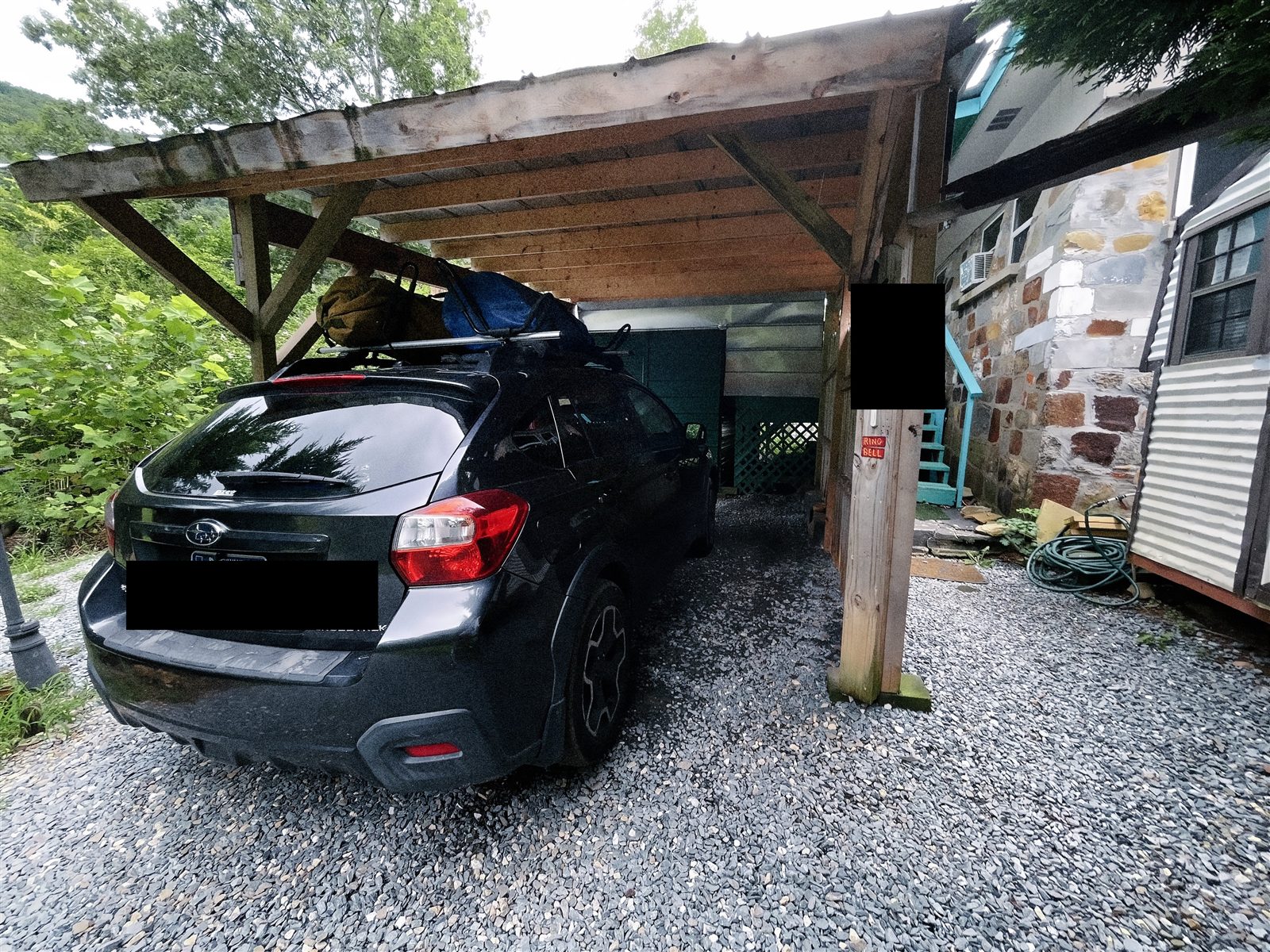
Installing aftermarket crossbars is usually straightforward — the confusing part is choosing the correct parts and understanding compatibility. For Crosstrek, Forester, and Outback owners, bar spread, hatch clearance, and accessory fitment usually matter more than the installation itself. In real use, most roof rack problems come from positioning and compatibility mistakes, not the crossbars themselves.
Identify Your Subaru’s Roof Rail Setup
Most Foresters use raised roof rails that require separate crossbars — unlike many Outback models with integrated crossbars, Forester owners typically need factory or aftermarket bars before mounting any cargo box, bike rack, or kayak carrier. Crosstrek roof setups vary by generation and trim, but many use raised rails that accept separate crossbars — verify your exact rail style before buying. Many 2010-2019 Outbacks and 2020-2025 non-Wilderness models include factory integrated crossbars built into the rails, which work well for occasional cargo boxes and road trips. The Outback Wilderness uses raised rails without integrated crossbars, so it needs separate bars added — and some Touring trims differ by year and package, so always verify your exact configuration before buying.
| Subaru Model | Common Rail Type | Crossbars Included? |
|---|---|---|
| Many Outback trims | Integrated rails/crossbars | Usually Yes |
| Outback Wilderness | Raised rails | No |
| Most Foresters | Raised rails | No |
| Many Crosstreks | Raised rails | No |
| Some trims/packages | Varies | Verify before buying |
Do You Need Aftermarket Crossbars?
Many Outback owners already have integrated crossbars that work fine for occasional cargo boxes, bikes, and road trips. Aftermarket crossbars usually make the most sense when you need better cargo box positioning, more hatch clearance, room for larger kayaks or longer gear, or you’re running multiple roof accessories at once. If your current setup already fits your gear comfortably, upgrading may not add much real-world benefit.
| If You Have… | Usually Need New Crossbars? |
|---|---|
| Integrated crossbars and a small cargo box | Usually No |
| Integrated crossbars and a large cargo box | Maybe |
| Integrated crossbars and multiple accessories | Often Yes |
| Outback Wilderness | Yes |
| Fitment or hatch clearance problems | Often Yes |
Understanding the Parts
Crossbars are the horizontal bars that actually support your gear — cargo boxes, bike racks, and kayak carriers all attach directly to them. Towers (or feet) connect the crossbars to the vehicle, and the type needed depends on roof design — raised rails typically use different towers than flush rails or a bare roof. Fit kits are vehicle-specific mounting components; the correct one depends on make, model, year, and roof style, and even two similar Subaru models can require different kits. Raised rails sit above the roof with a gap underneath; flush rails sit directly against the roof and need different mounting hardware — knowing which one your Subaru has is one of the most important steps before buying anything.
| Component | Purpose | Always Needed? |
|---|---|---|
| Crossbars | Supports gear | Yes |
| Towers/Feet | Connect bars to vehicle | Usually |
| Fit Kit | Vehicle-specific attachment | Sometimes |
| Roof Rails | Mounting surface on vehicle | Already on vehicle |
What Actually Matters Before Installing
Bar spread — the distance between front and rear crossbars — affects how well cargo boxes, kayaks, and other accessories fit; larger boxes generally need more spread for proper positioning and stability. Hatch clearance is one of the most overlooked factors — a box can technically fit the crossbars and still interfere with the rear hatch when opened, especially with larger boxes and shorter bar spread, so test clearance before final installation. Most crossbars create some wind noise at highway speeds, depending on bar shape, mounting height, and roof accessories — lower-profile systems are generally quieter, and the difference becomes more noticeable on long road trips.
How Installation Actually Works
Position the front crossbar according to the manufacturer’s recommended measurements — proper placement supports the load correctly and sets up the bar spread your accessories need. The rear bar then works with the front to create correct spacing; many fitment problems trace back to incorrect rear bar placement, especially with larger cargo boxes that need specific spread. Tighten everything to the manufacturer’s torque specifications — overtightening can damage components, undertightening allows movement over time. Before loading any gear, check that all mounting points sit properly against the rails and feel secure. Small position adjustments — a bar moved slightly forward or back — can meaningfully improve cargo box fitment or hatch clearance, so final positioning often matters as much as the installation itself.
Common Installation Mistakes
- Installing bars too close together. Many larger accessories need a minimum bar spread to mount properly and stay stable during travel.
- Ignoring hatch clearance. A box can fit the crossbars and still block the hatch — a problem many owners only discover after installation.
- Overtightening the system. Going past the manufacturer’s torque spec can damage crossbars, hardware, or the roof rails themselves.
- Choosing bars that are too tall. Extra height adds wind noise, makes loading harder, and eats into garage or parking-deck clearance.
- Buying parts before understanding compatibility. Crossbars, towers, fit kits, vehicle year, and rail type all have to line up — confirming those details first avoids the most common and expensive mistake.
What Actually Works
Cargo boxes reveal roof rack fitment problems faster than almost any other accessory — bar spread, hatch clearance, and positioning issues become obvious as soon as one goes on. Most installation problems trace back to positioning rather than the hardware itself; small adjustments to bar placement usually matter more than swapping parts. Aftermarket crossbars’ biggest real-world benefit is the extra positioning flexibility — better hatch clearance, optimized bar spread, and a more comfortable fit for larger cargo boxes. Beyond that, simpler setups are consistently easier to live with: quieter, easier to load, and less hassle day to day than chasing maximum roof capacity.
Before final tightening, test rear hatch clearance with any cargo box or accessory installed — small position changes make a real difference. Measure bar spread before mounting accessories, since many require specific spacing to fit properly. After the first long drive, recheck all mounting hardware to confirm it’s still secure. And avoid oversized roof setups unless they solve an actual problem you have.
FAQs
Is it hard to install aftermarket crossbars on an Outback?
Usually not — most installations are straightforward once you have the correct parts and follow the fitment instructions.
What parts do you actually need for aftermarket crossbars?
Most systems require crossbars, towers (or feet), and sometimes a vehicle-specific fit kit.
How far apart should crossbars be?
It depends on the vehicle and accessory — always check the roof rack and accessory requirements before installation.
Do aftermarket crossbars affect hatch clearance?
They can — crossbar positioning often affects where a cargo box sits and whether the rear hatch opens fully.
Why won’t some cargo boxes fit factory bars well?
Factory bars may have limited bar spread or positioning flexibility, which can create fitment and hatch clearance issues with larger boxes.
Are aftermarket crossbars worth it for cargo boxes?
Often yes — larger cargo boxes usually benefit most from the added positioning flexibility and improved fitment.
Should you remove aftermarket crossbars when not in use?
Not necessarily, but removing them can reduce wind noise and keep the setup simpler during everyday driving.
Final Thoughts
Installing aftermarket crossbars is usually more about compatibility and fitment than installation difficulty. The first question for many Subaru owners is whether aftermarket crossbars are needed at all — many factory systems work fine for everyday cargo, while larger cargo boxes, longer gear, and multi-accessory setups are where aftermarket bars provide the biggest benefit. The best setup depends on the gear you carry, how often you use roof storage, and whether your current system is already creating fitment or hatch clearance problems.
Related Guides
• Do You Need Aftermarket Crossbars on an Outback?
• Why Integrated Crossbars Are Easier (But Limited)
• Will Aftermarket Crossbars Improve Cargo Box Fit on an Outback?
• How Crossbar Spacing Affects Hatch Clearance on a Subaru Outback
• Do Aftermarket Crossbars Increase Wind Noise on a Subaru?