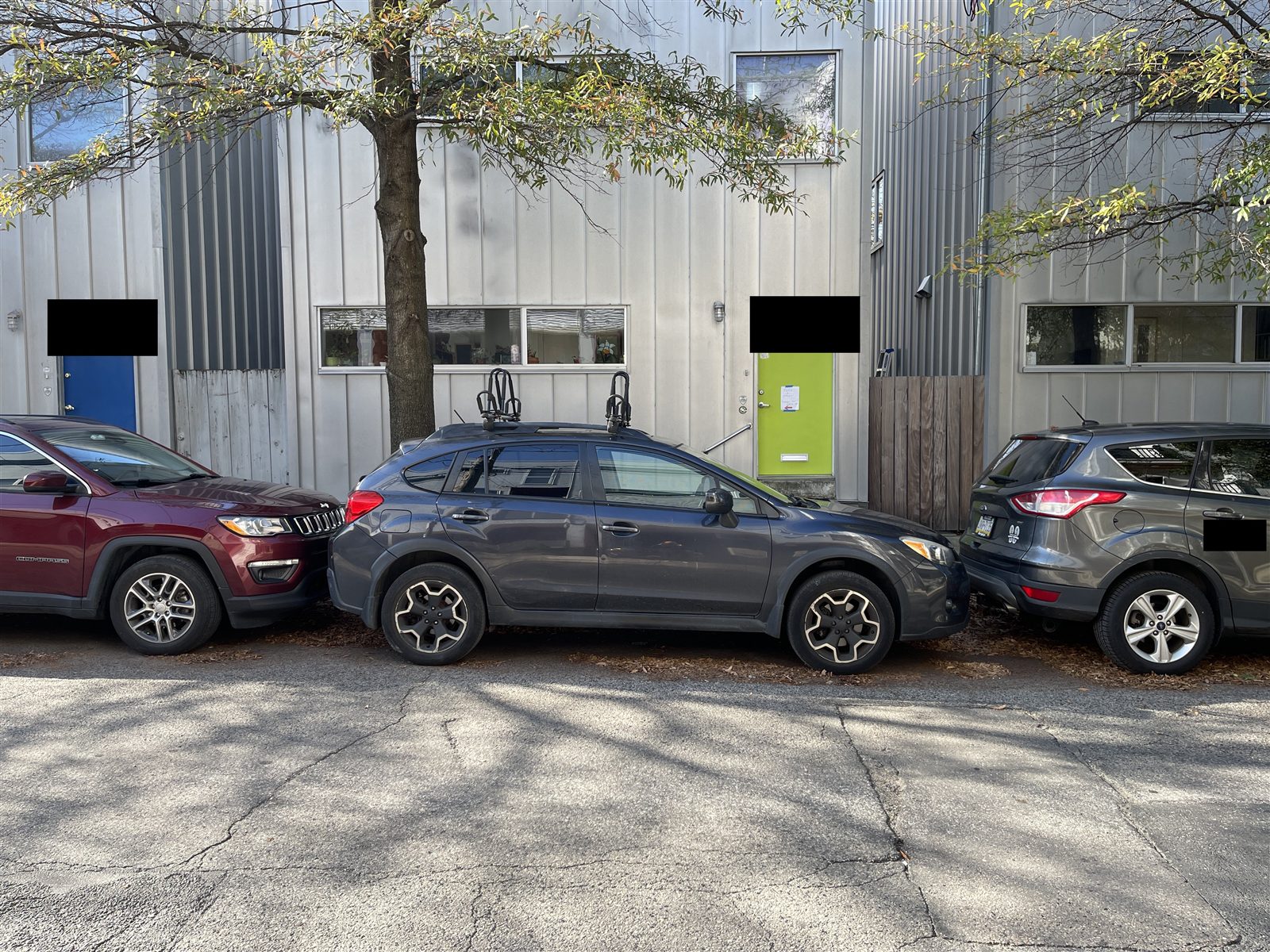
Category: Roof Racks & Carriers

  • Best Crossbars For Kayaks

    Disclosure: This article contains affiliate links. I may earn a commission at no extra cost to you.

    Quick Picks: Best Crossbars for Kayaks

    • Best crossbars: Yakima JetStream Crossbars (Amazon)

    • Best kayak carrier: Yakima JayLow Kayak Carrier (Amazon)

    Many Subaru owners eventually discover that carrying kayaks involves more than simply adding crossbars.

    Whether you drive a Crosstrek, Forester, or Outback, the right setup can improve stability, loading, and everyday usability.

    For most owners, bar spread, usable width, and accessory compatibility matter more than maximum weight ratings.

    The goal is choosing a setup that fits how you actually use your Subaru, both on the water and during daily driving.

    What Makes A Good Crossbar For Kayaks?

    Stability Matters More Than Weight Capacity

    Many Subaru owners focus on weight ratings, but stability is usually more important when carrying kayaks.

    A secure setup that minimizes movement during highway driving often matters more than maximizing carrying capacity. Most Crosstrek, Forester, and Outback owners will reach practical limits long before reaching weight limits.

    Why Bar Spread Is Important

    The distance between the front and rear crossbars helps support the kayak and improve stability.

    Greater bar spread can reduce movement and provide a more secure feel, especially when carrying longer kayaks. This is one reason roof length can influence overall setup flexibility.

    Crossbar Width And Usable Space

    Longer crossbars provide additional usable space outside the roof rails.

    This extra width becomes valuable when carrying two kayaks or combining kayak carriers with other accessories. For a single kayak, standard-length bars are often sufficient.

    Accessory Compatibility

    Not all crossbars work equally well with every kayak carrier.

    Slot systems, clamp styles, and crossbar shapes can affect compatibility. Choosing a system that works with your preferred carriers can make installation and future upgrades much easier.

    Everyday Driving Considerations

    Crossbars remain on the vehicle long after the kayak comes off.

    Wind noise, garage clearance, and overall convenience all affect daily usability. For many owners, the best setup balances kayak performance with how the vehicle is used the rest of the year.

    Factory Crossbars vs Aftermarket Crossbars For Kayaks

    When Factory Crossbars Are Enough

    Factory crossbars work well for many Subaru owners carrying a single kayak a few times each year.

    For occasional use, they often provide enough support without the added cost or complexity of an aftermarket system. Many owners never need anything more.

    Where Aftermarket Crossbars Have Advantages

    Aftermarket systems offer greater flexibility, wider bar options, and improved accessory compatibility.

    These advantages become more noticeable when carrying two kayaks, combining accessories, or using larger carriers. Additional adjustment can also help optimize fitment and stability.

    Which Setup Makes Sense For Most Owners

    For occasional paddlers, factory crossbars are often enough.

    Owners who kayak frequently or plan to carry multiple boats and accessories may benefit from the additional flexibility offered by aftermarket systems. The best choice depends less on weight capacity and more on how often the setup will be used.

    FeatureFactory CrossbarsAftermarket Crossbars
    Single KayakExcellentExcellent
    Two KayaksAdequateBetter
    Bar Width OptionsLimitedMore Choices
    Accessory CompatibilityGoodExcellent
    Adjustment FlexibilityLimitedBetter
    Daily ConvenienceExcellentGood
    Best ForOccasional UseFrequent Use & Multiple Accessories

    Best Crossbars For One Kayak

    Why Most Owners Only Need Moderate Width

    For a single kayak, most Crosstrek, Forester, and Outback owners do not need unusually long crossbars.

    Standard widths typically provide enough support and carrier space without adding unnecessary overhang or bulk.

    Stability During Highway Driving

    A stable setup matters more than maximum width.

    Proper crossbar spacing and secure carriers help minimize movement and provide greater confidence during highway driving. For one kayak, most factory and aftermarket systems provide adequate support.

    Balancing Utility And Simplicity

    Many owners only transport a kayak occasionally and use their Subaru as a daily driver the rest of the time.

    For these situations, moderate-width crossbars often offer the best balance between kayak capability and everyday practicality. They provide enough utility without making the vehicle more cumbersome to live with year-round.

    Best Crossbars For Two Kayaks

    Why Width Matters More

    Carrying two kayaks usually requires more usable crossbar space than carrying one.

    Longer or wider crossbars make it easier to position carriers and maintain proper spacing. For many owners, width becomes more important than overall weight capacity.

    Managing Space Efficiently

    Two-kayak setups often benefit from J-cradles or other space-saving carriers.

    Efficient accessory placement can make a standard-width setup work, while wider bars provide additional flexibility and make loading easier.

    Planning For Future Gear

    If you expect to carry two kayaks regularly, or add bikes or a cargo box later, choosing crossbars with extra usable space can make sense.

    Many owners find that planning for future gear needs helps avoid replacing the entire roof rack system down the road.

    Crosstrek vs Forester vs Outback For Kayak Carrying

    Crosstrek Considerations

    The Crosstrek can handle one or two kayaks, but its shorter roof provides less flexibility for larger setups.

    Most owners do well with moderate-width crossbars and space-efficient carriers. Proper fitment becomes more important when carrying two kayaks.

    Forester Considerations

    The Forester offers more roof space and additional height, making it easier to carry larger kayaks or multiple accessories.

    Many owners find it provides a good balance between everyday practicality and roof rack versatility.

    Outback Considerations

    The Outback’s longer roof provides the most flexibility for kayak setups.

    The added length can improve bar spread and make it easier to position carriers while maintaining usable space for additional gear. Owners carrying two kayaks or combining kayaks with bikes or cargo boxes often benefit from the extra roof length.

    Which Subaru Is Easiest To Set Up

    All three models work well for kayak carrying, but the Outback generally offers the most flexibility, followed by the Forester.

    The Crosstrek remains highly capable, but its smaller roof means setup choices matter more. For most owners, the easiest vehicle to set up is simply the one that matches how much gear they actually plan to carry.

    FeatureCrosstrekForesterOutback
    Roof LengthShortestMediumLongest
    Bar SpreadGoodBetterBest
    Single KayakExcellentExcellentExcellent
    Two KayaksGoodVery GoodBest
    Overall FlexibilityGoodVery GoodExcellent

    Common Kayak Crossbar Buying Mistakes

    Focusing Only On Weight Capacity

    Many owners assume weight capacity is the most important factor.

    In reality, stability, bar spread, and accessory fitment usually matter more. Most kayaks are well below the roof rack’s weight limits.

    Buying Bars Longer Than Necessary

    Extra width can be helpful, especially for two-kayak setups, but longer bars are not always better.

    Excessive overhang can add wind noise and become inconvenient during everyday use. Most owners only need enough width for their typical gear.

    Ignoring Accessory Compatibility

    Not all crossbars work equally well with every kayak carrier.

    Before buying, it is worth confirming that the crossbar shape and dimensions are compatible with the carriers and accessories you plan to use.

    Forgetting About Daily Driving

    A roof rack setup affects the vehicle even when no kayaks are loaded.

    Wind noise, garage clearance, and overall convenience are all worth considering. For most Crosstrek, Forester, and Outback owners, the best setup is one that works both on the water and during everyday driving.

    What Actually Works (Based On Real Use)

    Most Owners Need Less Rack Than They Think

    Many Subaru owners assume they need the biggest and strongest roof rack available.

    In reality, most kayak setups do not require oversized crossbars. Choosing a system that matches your actual gear usually results in a simpler and more practical setup.

    Factory Crossbars Work For Many Single-Kayak Setups

    For owners carrying one kayak, factory crossbars are often enough.

    As long as the crossbars support the carrier and provide adequate bar spread, many stock systems handle occasional and recreational use without issue.

    Two Kayaks Usually Favor Wider Bars

    Carrying two kayaks often places a greater emphasis on usable crossbar width.

    Wider bars provide more flexibility for carrier placement and can make loading multiple kayaks easier, especially when combining gear in the future.

    Stability Matters More Than Maximum Weight Ratings

    Most kayaks do not come close to the roof rack’s weight limits.

    For everyday use, proper fitment, secure carriers, and adequate bar spread usually have a bigger impact on stability than chasing the highest weight rating available.

    FAQs

    Are factory Subaru crossbars strong enough for kayaks?

    Yes. Factory crossbars are sufficient for many single-kayak setups, provided they meet the vehicle’s load limits.

    Do I need aftermarket crossbars for two kayaks?

    Not always. However, wider aftermarket bars often provide more usable space and flexibility for two-kayak setups.

    How wide should kayak crossbars be?

    Most owners only need moderate-width bars. Extra width becomes more useful when carrying two kayaks or multiple accessories.

    Are longer crossbars better for kayaks?

    Not necessarily. Longer bars add usable space, but excessive width can create noise and inconvenience.

    Which Subaru is best for carrying kayaks?

    All three models work well. The Outback offers the most flexibility, followed by the Forester, while the Crosstrek benefits from more compact setups.

    Can I carry a kayak and a cargo box together?

    Yes. This combination is common, but it may require wider crossbars and careful accessory placement.

    Are aero bars or round bars better for kayaks?

    Both work well. Aero bars are generally quieter, while round bars offer broad accessory compatibility.

    How much weight can Subaru crossbars support?

    Load limits vary by vehicle and crossbar system. Always follow the limits specified by Subaru and the crossbar manufacturer.

    Do kayak carriers work with factory crossbars?

    Usually yes. Most kayak carriers are compatible with factory crossbars, but it is worth verifying fitment before purchasing.

    Final Thoughts

    The best kayak crossbars are the ones that match how you actually use your Subaru.

    For many owners, factory crossbars are enough for one kayak, while two-kayak setups often benefit from wider bars and greater flexibility. The right balance depends on your gear and how often you use it.

    As your needs change, factors like crossbar length, carrier style, and combining accessories can become just as important as the rack itself.

    Recommended Products:

    Yakima JetStream Crossbars

    Yakima JayLow Kayak Carrier

    Related Guides

    What Crossbar Length Do You Need?

    What Size Cargo Box Fits a Crosstrek?

    What Size Cargo Box Fits an Outback?

  • What Crossbar Length Do You Need?

    Many Subaru owners focus on crossbar style but overlook crossbar length. In reality, bar length affects accessory fitment, usable space, and everyday convenience.

    Longer crossbars can be helpful for kayaks and multi-accessory setups, but more width is not always better. Excessive overhang can add noise and unnecessary bulk.

    For most Crosstrek, Forester, and Outback owners, manufacturer-recommended lengths provide the best balance of flexibility and practicality. The goal is choosing enough bar for your gear without adding complexity.

    Why Crossbar Length Matters

    Bar Length Affects More Than Weight Capacity

    Many Subaru owners assume crossbar length mainly affects how much weight the roof rack can support. In reality, bar length has a bigger impact on usable space and accessory placement.

    Longer bars can make it easier to carry multiple accessories or larger gear, while shorter bars often provide a cleaner and more convenient setup for daily driving.

    Wider Bars Create More Usable Space

    Longer crossbars provide additional space outside the roof rails, which can be useful when carrying kayaks, bikes, cargo boxes, or multiple accessories at the same time.

    This extra width becomes especially valuable for families and outdoor enthusiasts who frequently need to maximize roof storage without constantly changing their setup.

    Longer Isn’t Always Better

    More width is not always an advantage. Excessively long crossbars can add wind noise, create clearance concerns, and extend beyond the sides of the vehicle.

    For most Crosstrek, Forester, and Outback owners, the goal is not choosing the longest bars available. It is choosing a length that provides enough usable space without adding unnecessary bulk or inconvenience.

    What Crossbar Length Do Most Subaru Owners Need?

    Crosstrek Owners

    Most Crosstrek owners do not need unusually long crossbars. Standard lengths recommended by crossbar manufacturers typically provide enough space for cargo boxes, bikes, and occasional outdoor gear.

    Longer bars become more useful when carrying kayaks or multiple accessories at the same time.

    Forester Owners

    Forester owners usually benefit from moderate crossbar lengths that balance usable space with everyday convenience.

    Standard crossbar sizes are sufficient for most cargo boxes, bike racks, and family travel setups. Additional width mainly becomes valuable for kayaks or multi-accessory configurations.

    Outback Owners

    Because the Outback has a longer roof, it offers more flexibility for larger gear and wider setups.

    Many owners still find that standard crossbar lengths work well. Longer bars are generally most useful for carrying two kayaks, multiple bikes, or combining accessories on the same roof.

    Why Manufacturer Recommendations Usually Work Best

    Crossbar manufacturers design recommended lengths around the dimensions of each vehicle and the intended mounting system.

    For most Crosstrek, Forester, and Outback owners, these recommendations provide the best balance between usable space, stability, wind noise, and everyday practicality. Going significantly longer rarely provides meaningful benefits unless your gear requirements demand it.

    VehicleTypical Crossbar Length
    CrosstrekStandard manufacturer-recommended length
    ForesterStandard manufacturer-recommended length
    OutbackStandard manufacturer-recommended length; longer bars optional for larger setups

    When Longer Crossbars Make Sense

    Carrying Multiple Accessories

    Longer crossbars provide additional usable space, making it easier to mount multiple accessories on the same roof.

    This can be helpful when combining bike racks, cargo boxes, ski carriers, or other gear without constantly reconfiguring the setup.

    Kayaks And Wider Loads

    Kayaks, canoes, and other wider loads often benefit from additional crossbar width.

    Longer bars can improve support and create more room for carriers, especially when transporting two kayaks or larger equipment.

    Cargo Box Plus Bikes

    Combining a cargo box with one or more bike racks is one of the most common reasons owners choose longer crossbars.

    The extra space can provide greater flexibility in accessory placement and make it easier to fit everything securely on the roof.

    Families With Changing Gear Needs

    Families often find their storage needs change over time.

    Longer crossbars can provide additional versatility as bikes, kayaks, cargo boxes, and other gear are added to the mix. For owners who regularly carry different combinations of equipment, the extra usable space can be worthwhile.

    When Standard-Length Bars Make More Sense

    Daily Driving

    For most Crosstrek, Forester, and Outback owners, standard-length crossbars provide enough space for common accessories without adding unnecessary width.

    They are often easier to live with and better suited for vehicles that spend most of their time commuting or running errands.

    Garage Clearance And Parking

    Standard-length bars help keep the roof rack closer to the vehicle’s overall dimensions.

    This can make parking in garages, navigating tight spaces, and moving around the vehicle easier during everyday use.

    Reducing Head Bumps And Overhang

    Crossbars that extend far beyond the roof rails can become easy to bump into when loading gear or walking around the vehicle.

    Standard lengths reduce side overhang and help minimize accidental head and shoulder impacts while maintaining adequate carrying space.

    Simpler Setups

    Many owners only carry a cargo box, bike rack, or occasional outdoor gear.

    For these setups, standard-length bars usually provide all the usable space needed without adding complexity, extra noise, or unnecessary bulk.

    Problems With Bars That Are Too Long

    Excessive Overhang

    Crossbars that extend too far beyond the roof rails can create unnecessary overhang.

    While additional width can be useful in some situations, excessive overhang increases the chances of bumping into the bars and can make the vehicle feel less practical during everyday use.

    Loading Convenience

    Longer bars do not always make loading easier.

    For many setups, the extra width provides little benefit while creating more obstacles when reaching into the vehicle or moving around the roof. Most owners only need enough space for their most common accessories.

    Appearance And Practicality

    Very long crossbars can give the vehicle a bulky appearance and may look out of proportion to the roof.

    More importantly, they can add inconvenience without improving functionality. A setup that fits the vehicle properly is usually easier to live with.

    Why Bigger Isn’t Automatically Better

    Many owners assume longer bars provide a better roof rack system.

    In reality, the best crossbar length is the one that supports your gear without adding unnecessary width, noise, or inconvenience. For most Crosstrek, Forester, and Outback owners, standard lengths offer the best balance of usability and flexibility.

    Crossbar Length And Cargo Boxes

    Why Cargo Boxes Usually Don’t Need Extra Width

    Most cargo boxes mount within the width of the roof rails, so longer crossbars rarely provide additional benefits.

    For many Crosstrek, Forester, and Outback owners, standard-length bars offer plenty of support without adding unnecessary overhang.

    Bar Spread Matters More Than Bar Length

    When fitting a cargo box, the distance between the front and rear crossbars is usually more important than overall bar length.

    Proper bar spread helps ensure secure mounting, improves stability, and can make it easier to position the box correctly.

    Hatch Clearance Considerations

    Rear hatch clearance is often a bigger concern than crossbar width.

    Proper crossbar placement and cargo box positioning help prevent the hatch from contacting the box when opened. In many cases, adjustment flexibility matters more than using longer bars.

    What Most Cargo Box Owners Actually Need

    Most owners only need standard-length crossbars paired with proper bar spacing and a correctly sized cargo box.

    For road trips, camping gear, and family travel, fitment and usability usually matter far more than maximizing crossbar width.

    Crossbar Length For Bikes, Kayaks, And Multiple Accessories

    Bike Rack Setups

    Most bike rack setups do not require unusually long crossbars.

    Standard-length bars are often sufficient for carrying one or two bikes, especially when no other roof accessories are involved. Additional width becomes more useful as gear combinations become more complex.

    Kayak Carriers

    Kayaks typically benefit more from additional crossbar width than cargo boxes do.

    Longer bars can provide extra space for carriers and improve support, particularly when transporting two kayaks or larger watercraft.

    Combining Accessories

    Longer crossbars become more valuable when carrying multiple accessories at the same time.

    A cargo box paired with bikes or kayaks can quickly use up available bar space. Extra width provides greater flexibility in accessory placement and helps avoid overcrowding.

    Planning For Future Gear

    Many owners start with a simple setup and gradually add more gear over time.

    If you expect to carry multiple bikes, kayaks, or a combination of accessories in the future, choosing slightly longer crossbars can provide additional versatility without requiring a complete rack upgrade later.

    SituationStandard LengthLonger Bars
    Cargo box only 
    One or two bikes 
    Daily driving 
    Garage parking 
    Two kayaks 
    Cargo box + bikes 
    Multiple accessories 
    Growing family gear needs 

    What Actually Works (Based On Real Use)

    Most Owners Need Less Bar Than They Think

    Many Subaru owners assume they need the longest crossbars available.

    In reality, standard-length bars provide enough space for the majority of cargo boxes, bike racks, and everyday gear setups.

    Cargo Boxes Rarely Require Longer Bars

    For most cargo box owners, extra crossbar width offers little benefit.

    Proper bar spread and box positioning usually matter far more than overall bar length when it comes to stability and usability.

    Extra Width Is Helpful For Multi-Accessory Setups

    Longer crossbars become valuable when carrying multiple accessories at once.

    Combining bikes, kayaks, and cargo boxes often requires additional usable space, making longer bars worthwhile for more complex setups.

    Manufacturer Recommendations Are Usually Right

    Crossbar manufacturers size their systems around the dimensions and intended use of each vehicle.

    For most Crosstrek, Forester, and Outback owners, the recommended bar length delivers the best balance of flexibility, convenience, and everyday practicality.

    FAQs

    What crossbar length does a Subaru Crosstrek need?

    Most Crosstrek owners are well served by the bar lengths recommended by the crossbar manufacturer. Standard lengths are sufficient for most cargo boxes, bikes, and everyday gear.

    What crossbar length does a Subaru Forester need?

    Standard-length bars recommended for the Forester provide enough space for most roof accessories. Longer bars are usually only needed for multi-accessory setups.

    What crossbar length does a Subaru Outback need?

    The Outback’s longer roof provides more flexibility, but most owners still do well with manufacturer-recommended bar lengths.

    Are longer crossbars stronger?

    Not necessarily. Strength depends on the crossbar system and roof load limits, not bar length alone.

    Are longer crossbars noisier?

    They can be. Additional width and overhang may increase wind noise, especially at highway speeds.

    Do cargo boxes require longer bars?

    Usually no. Proper bar spread and box positioning are generally more important than extra crossbar width.

    How much overhang is too much?

    Excessive overhang varies by system, but bars that extend far beyond the roof rails can become inconvenient and easier to bump into.

    Can crossbars be too long?

    Yes. Overly long bars can add noise, reduce convenience, and provide little benefit if the extra width is never used.

    Should I size up for future accessories?

    If you expect to carry multiple accessories or larger gear later, slightly longer bars may make sense. Otherwise, standard lengths are usually the better choice.

    Final Thoughts

    The right crossbar length depends on your gear and how you use your Subaru.

    For most Crosstrek, Forester, and Outback owners, standard-length bars are enough. Longer bars make more sense for kayaks and multi-accessory setups.

    The goal is choosing enough width to support your gear without adding unnecessary overhang or complexity. As your needs change, factors like accessory compatibility and overall roof rack layout often matter more than bar length alone.

    Related Guides

    Best Crossbars For Kayaks

    What Size Cargo Box Fits a Crosstrek?

    What Size Cargo Box Fits a Forester?

    What Size Cargo Box Fits an Outback?

    Related buyer guides:

  • Best Crossbars for Crosstrek

    Disclosure: This article contains affiliate links. I may earn a commission at no extra cost to you.

    The Crosstrek has the shortest, narrowest roof of the three current Subaru models, which changes what aftermarket crossbars are actually good for here. On an Outback, upgrading unlocks real extra capacity. On a Crosstrek, the roof itself is the limiting factor — better crossbars won’t turn a small roof into a large one. What they’re genuinely useful for is accessory compatibility: switching between a cargo box, bike rack, and kayak carrier without fighting your hardware every time.

    Here’s what aftermarket crossbars can and can’t do for a Crosstrek.

    Quick Picks

    Subaru Crosstrek side profile with roof rack

    Do You Actually Need Aftermarket Crossbars on a Crosstrek?

    For most Crosstrek owners, the factory integrated crossbars handle a medium cargo box, bikes, or occasional skis without issue — and unlike an Outback, sizing up to a larger box doesn’t necessarily solve anything, since the Crosstrek’s roof is already the shortest and narrowest of the three. Where aftermarket bars earn their keep here is accessory switching: if you’re regularly swapping between a cargo box, a bike rack, and a kayak carrier, better mounting hardware makes that easier without adding roof capacity you don’t have room for anyway.

    If your roof setup rarely changes, there’s little reason to upgrade. If you’re constantly reconfiguring for different gear, that’s the real case for aftermarket bars on a Crosstrek.

    Choosing Crossbars for a Crosstrek

    Best Overall: Compatibility Over Capacity

    The Thule WingBar Evo is the practical pick for most Crosstrek owners upgrading — its main value here is broad accessory compatibility rather than unlocking bigger cargo boxes, which the Crosstrek’s roof doesn’t really have room for anyway. The Yakima JetStream performs similarly if you’re already in the Yakima ecosystem.

    Mid-Range Option

    The Yakima CoreBar is a step down from the aero bars in noise and finish, but still handles the accessory-switching most Crosstrek owners actually need without paying for aerodynamics you may not notice on a smaller roof.

    Budget Option

    For light, occasional use, the VEVOR Roof Rack Crossbars are functional and inexpensive — reasonable if you’re not swapping accessories often and don’t need premium fit and finish.

    Crosstrek vs Outback vs Forester: Where Aftermarket Bars Actually Help

    ModelRoof LengthWhere Aftermarket Bars Help Most
    CrosstrekShortest, narrowestAccessory compatibility more than added capacity
    OutbackLongest of the threeSizing up to large/XL cargo boxes
    ForesterModerateHatch clearance and positioning, not just capacity

    The Crosstrek is the one Subaru where upgrading crossbars won’t buy back roof space the way it can on an Outback or Forester — the value is in flexibility, not capacity.

    Common Mistakes Crosstrek Owners Make

    • Upgrading expecting more cargo box capacity. The Crosstrek’s roof is the limiting factor, not the bars — see the realistic size ceiling before buying bigger bars for a bigger box.
    • Buying premium bars for a setup that rarely changes. If you run one accessory year-round, a mid-range or budget bar covers it fine.
    • Leaving crossbars mounted year-round. They add noticeable drag and wind noise on a smaller vehicle even when empty.

    FAQs

    Are aftermarket crossbars worth it for a Crosstrek?

    Mainly if you switch between different roof accessories often. For a single cargo box or rack used consistently, factory crossbars are usually enough.

    Will aftermarket crossbars let me fit a bigger cargo box?

    Not really. The Crosstrek’s roof length and width are the real limits, not the crossbars — sizing up bars doesn’t create more roof.

    What are the quietest crossbars for a Crosstrek?

    Aero bars like the WingBar Evo or JetStream are noticeably quieter than round-bar designs, especially at highway speed.

    Do crossbars affect gas mileage?

    Yes, though the impact is small without an accessory mounted — more noticeable on a smaller vehicle once a cargo box or rack is attached.

    Final Thoughts

    On a Crosstrek, aftermarket crossbars are worth it for flexibility, not extra capacity — the roof itself sets the ceiling. If you’re regularly switching between gear types, a WingBar Evo or JetStream makes that easier. If you run one setup consistently, the factory bars or a budget option cover it just fine.

    Recap: Best Crossbars for a Subaru Crosstrek

    Related Guides

    What Size Cargo Box Fits a Crosstrek?

    OEM vs Aftermarket Crossbars

    Roof Weight Limits for Crosstrek, Forester, and Outback

    What Crossbar Length Do You Need?

  • Best Crossbars for Forester

    Disclosure: This article contains affiliate links. I may earn a commission at no extra cost to you.

    The Forester’s roof is the tallest of the three current Subaru models, so crossbar upgrades here solve a different problem than they do on an Outback. Bar spread still matters for cargo box fitment, but hatch clearance and positioning tend to show up as issues sooner — the Forester doesn’t have the extra roof length to absorb a badly-positioned box the way an Outback does.

    Here’s when the factory setup is enough, and what to buy when it isn’t.

    Quick Picks

    • Best overall: Thule WingBar Evo — strong cargo box fitment, low wind noise.
    • Best alternative brand: Yakima JetStream — comparable performance for Yakima owners.
    • Best for kayaks and longer gear: Rhino-Rack Vortex Aero — wider spread for watercraft and oversized loads.
    • Best budget option: VEVOR Crossbars — functional for occasional use, fewer positioning options than premium bars.

    Do You Actually Need Aftermarket Crossbars on a Forester?

    For light, occasional use — a small or medium cargo box, bikes, skis — the factory integrated crossbars usually handle it fine. Where the Forester differs from an Outback is that hatch clearance issues tend to show up at a smaller box size, simply because the roof doesn’t have the same length to work with. If you’re regularly repositioning a cargo box to clear the hatch, that’s the signal to upgrade — not necessarily the box size itself.

    Aftermarket crossbars on a Forester are less about unlocking more capacity and more about buying back the positioning flexibility the shorter roof doesn’t naturally have.

    Choosing Crossbars for a Forester

    Best Overall: Fitment and Low Noise

    The Thule WingBar Evo is the practical default for most Forester owners upgrading — its adjustable positioning helps with the hatch clearance issues that show up sooner here than on an Outback. The Yakima JetStream performs similarly if you’re already running Yakima gear.

    For Kayaks and Longer Gear

    Longer gear places more importance on bar spread than most cargo boxes do, and that matters more on a Forester’s shorter roof than on an Outback’s. The Rhino-Rack Vortex Aero gives kayaks and other oversized loads better support and stability.

    Budget Option

    For occasional use, the VEVOR Crossbars handle light cargo without the cost of a premium aero setup — expect fewer positioning options if hatch clearance turns out to be tight.

    Forester vs Outback vs Crosstrek: Where Aftermarket Bars Actually Help

    ModelRoof LengthWhere Aftermarket Bars Help Most
    ForesterModerateHatch clearance and positioning, not just capacity
    OutbackLongest of the threeSizing up to large/XL cargo boxes
    CrosstrekShortest, narrowestAccessory compatibility more than added capacity

    The Forester’s tall roof already makes loading more effort than an Outback or Crosstrek — good crossbar positioning at least keeps hatch access from becoming a second problem on top of that.

    Common Mistakes Forester Owners Make

    • Assuming a bigger box needs bigger bars. Often it’s positioning flexibility, not raw capacity, that solves the hatch clearance problem.
    • Not accounting for the added reach when loading solo. The Forester’s tall roof means more lifting regardless of which crossbars you run.
    • Leaving crossbars mounted year-round. It adds wind noise and drag even when nothing’s loaded.

    FAQs

    Are aftermarket crossbars worth it for a Forester?

    Mainly if you’re running into hatch clearance issues with a cargo box, or carrying kayaks regularly. For light, occasional use, factory crossbars are usually enough.

    Why does the Forester need aftermarket bars sooner than an Outback?

    Its roof is shorter than the Outback’s, so there’s less length to absorb a poorly-positioned cargo box before it interferes with the hatch.

    What are the quietest crossbars for a Forester?

    Aero bars like the WingBar Evo or JetStream are noticeably quieter than round-bar designs, especially at highway speed.

    Do crossbars affect gas mileage?

    Yes, though the impact is small without an accessory mounted and more noticeable once a cargo box or bike rack is attached.

    Final Thoughts

    On a Forester, aftermarket crossbars solve a positioning problem more than a capacity problem — the tall roof means hatch clearance issues show up before you’ve maxed out cargo box size. If the factory bars are already fighting your hatch, a WingBar Evo or JetStream buys back the flexibility to fix it.

    Recap: Best Crossbars for a Subaru Forester

    Related Guides

    What Size Cargo Box Fits a Forester?

    OEM vs Aftermarket Crossbars

    Roof Weight Limits for Crosstrek, Forester, and Outback

    What Crossbar Length Do You Need?

  • Best Crossbars for Outback

    Disclosure: This article contains affiliate links. I may earn a commission at no extra cost to you.

    The Outback’s long roof is the reason factory integrated crossbars hold up longer here than on a Forester or Crosstrek — there’s enough length that a medium cargo box or a couple of bikes rarely exposes any real limitation. The question isn’t really “are aftermarket crossbars better,” it’s whether you’ve actually hit the point where the factory setup runs out of room.

    For most Outback owners, that point is a specific one: sizing up to a large or XL cargo box. Here’s how to tell if you’re there, and what to buy if you are.

    Quick Picks

    • Best overall: Thule WingBar Evo — low wind noise, strong cargo box compatibility.
    • Best alternative brand: Yakima JetStream — comparable performance, worth it if you’re already in the Yakima ecosystem.
    • Best for kayaks and longer gear: Rhino-Rack Vortex Aero — wider spread for watercraft and oversized loads.
    • Best budget option: Yakima RoundBar — fine for occasional use, more wind noise than aero bars.

    Do You Actually Need Aftermarket Crossbars on an Outback?

    If you’re carrying a medium cargo box, bikes, or occasional gear a few times a year, the factory integrated crossbars are usually enough — the Outback’s roof length gives them more room to work with than a Forester or Crosstrek gets from the same bars. Where the factory setup starts to show its limits is sizing up: a large or XL cargo box benefits from the extra bar spread and positioning flexibility aftermarket crossbars provide, mainly for hatch clearance.

    In other words, the Outback is the one Subaru where you can reasonably wait until a specific problem shows up before upgrading, rather than upgrading preemptively.

    Choosing Crossbars for an Outback

    Best Overall: Low Noise, Strong Fitment

    For most Outback owners upgrading, the Thule WingBar Evo covers the common case — aerodynamic, quiet at highway speed, and enough bar spread to handle a large or XL cargo box without hatch clearance headaches. The Yakima JetStream is a comparable alternative if you’re already running other Yakima accessories.

    For Kayaks and Longer Gear

    The Outback’s long roof already gives kayaks and longer gear more room than the other two Subarus, and wider bar spread makes that margin count for more. The Rhino-Rack Vortex Aero is built for exactly that — better support and stability for watercraft and oversized loads.

    Budget Option

    If you only need crossbars a few times a year, the Yakima RoundBar gets the job done for less — expect more wind noise than the aero options, which matters more if you leave the bars mounted year-round.

    Outback vs Forester vs Crosstrek: Where Aftermarket Bars Actually Help

    ModelRoof LengthWhere Aftermarket Bars Help Most
    OutbackLongest of the threeSizing up to large/XL cargo boxes
    ForesterModerateHatch clearance and positioning, not just capacity
    CrosstrekShortest, narrowestAccessory compatibility more than added capacity

    The Outback is the one Subaru where the factory bars keep up the longest — the long roof absorbs a lot before fitment becomes a real problem.

    Common Mistakes Outback Owners Make

    • Upgrading before hitting an actual limitation. If the factory bars handle what you carry, aftermarket crossbars add cost without adding value.
    • Buying based on weight capacity alone. Fitment and bar spread usually matter more than max load for everyday use.
    • Ignoring wind noise for a setup left on year-round. Aero bars cost more but are noticeably quieter on the highway.

    FAQs

    Are aftermarket crossbars worth it for an Outback?

    Often only once you size up to a large or XL cargo box, or carry kayaks regularly. For occasional use, the factory crossbars are usually enough — the Outback’s long roof means the factory setup goes further here than on a Forester or Crosstrek.

    What are the quietest crossbars for an Outback?

    Lower-profile aero bars like the WingBar Evo or JetStream are noticeably quieter than round-bar designs, especially at highway speed.

    Do aftermarket crossbars improve cargo box fitment?

    Usually — better bar spread and positioning flexibility help most with large and XL boxes, where hatch clearance becomes the limiting factor.

    Do crossbars affect gas mileage?

    Yes, though the impact is small without an accessory mounted. It becomes more noticeable once a cargo box or bike rack is attached.

    Final Thoughts

    The Outback’s long roof means the factory integrated crossbars carry you further than they would on a Forester or Crosstrek — most owners don’t need to upgrade until they size up to a large or XL cargo box or start hauling kayaks regularly. When that point comes, an aero crossbar like the WingBar Evo or JetStream solves the fitment problem without adding unnecessary noise or bulk.

    Recap: Best Crossbars for a Subaru Outback

    Related Guides

    What Size Cargo Box Fits an Outback?

    OEM vs Aftermarket Crossbars

    Roof Weight Limits for Crosstrek, Forester, and Outback

    What Crossbar Length Do You Need?

  • How to Buy the Right Roof Rack Setup for Your Subaru

    Buying a roof rack for a Subaru is often more confusing than expected. Different Crosstrek, Forester, and Outback models use different roof rail systems, and compatibility depends on more than just the vehicle name. Bigger and more expensive doesn’t always mean better — in real-world use, the best setup is usually the one that fits your gear properly and stays easy to live with every day.

    Understanding roof rails, crossbars, towers, and fit kits helps you avoid common buying mistakes and choose a setup that actually works for how you use your Subaru.

    The 3 Parts You Actually Need

    Most people assume a roof rack is one product, but a complete system is usually made up of three parts that have to work together correctly — which is exactly why buying one feels more complicated than expected.

    PartPurpose
    CrossbarsHolds gear
    Feet / TowersConnect bars to vehicle
    Fit KitVehicle-specific attachment

    Crossbars are the horizontal bars that support your gear — cargo boxes, bike racks, and kayak carriers all attach directly to them. Feet or towers connect the crossbars to the vehicle, and which type you need depends on your roof rail design. Fit kits are vehicle-specific components that help everything attach properly — the correct one depends on make, model, year, and roof style, and even similar Subaru models can require different kits. Some Subarus with raised roof rails skip the fit kit entirely, using feet that clamp directly to the rails — fewer parts, but compatibility still needs to be verified before buying.

    Understanding Your Subaru’s Roof Rails

    Raised rails sit above the roof with a visible gap underneath — common on many Subarus and usually the easiest type to work with, since many aftermarket crossbar systems attach directly to them. Flush rails sit directly against the roof with little or no gap, giving a cleaner look but usually requiring vehicle-specific towers and fit kits. Some models use integrated crossbars that fold out from the factory rails — simplest of all, with no extra hardware needed for basic storage, but less flexible than aftermarket systems. Rail type is the single biggest factor in what crossbars, towers, and hardware will actually fit your vehicle.

    Buying a Full Kit vs Building Your Own

    A full kit includes everything needed for your specific vehicle — compatibility is already matched, which is the biggest advantage and makes it the easiest path for most Subaru owners. Building a setup piece by piece gives you more flexibility to choose specific crossbars, towers, and mounting components, but it demands more research and careful compatibility checks — best suited to owners who know exactly what they want. Most compatibility mistakes happen because buyers don’t realize how many separate parts have to line up: vehicle year, rail type, crossbars, towers, and fit kit all affect fitment, and missing just one detail means parts that don’t fit together. For most owners, a complete kit is the simpler, safer choice; building custom makes more sense once you have specific gear or accessory requirements in mind.

    Example Subaru Roof Rack Setups

    Many Outback models use raised rails with integrated crossbars already built in, making basic roof storage simple — common on non-Wilderness Outbacks from the 2015-2019 and 2020-2025 generations. Certain Touring trims from 2017-2019 and Wilderness models are the main exceptions, using different rail designs that typically require separate crossbars. Because configurations vary by year and trim, confirm your exact roof setup before buying.

    Most Forester models use raised rails that require separate crossbars — a typical setup attaches crossbars directly to the factory rails for cargo boxes, bikes, kayaks, and camping gear. The Forester’s taller, more upright roof provides good storage flexibility, though loading gear takes a bit more reach than on an Outback.

    Crosstrek setups vary by generation and trim, but many models use raised rails that accept aftermarket crossbars. Because the Crosstrek has less interior cargo space than the Forester or Outback, even a simple roof rack setup makes a noticeable difference in total carrying capacity — most owners use it to supplement the smaller cabin for road trips and camping.

    Common Mistakes

    • Forgetting the fit kit. Buyers often purchase crossbars and towers without realizing a separate fit kit may be needed — one of the most common compatibility mistakes.
    • Buying the wrong bar length. Longer isn’t always better — too short limits accessory placement, too long creates unnecessary overhang. Stick to the manufacturer’s recommended length.
    • Not checking rail type. Raised rails, flush rails, and integrated crossbars all use different mounting methods — assuming they’re interchangeable leads to ordering the wrong parts.
    • Prioritizing looks over usability. Oversized, aggressive-looking setups often add wind noise and height without improving how the rack actually gets used.
    • Buying taller systems than necessary. Extra height isn’t extra capability — it just makes loading gear harder and clearance tighter.

    What Actually Works

    Simpler setups are easier to live with — fewer parts, fewer compatibility concerns, less hardware to manage day to day. Lower-profile systems create less wind noise and fewer clearance issues, and are easier to load and park with than taller setups. Most cargo problems start before gear ever gets loaded — incorrect bar spacing or poor compatibility causes more frustration than the crossbars themselves, and cargo boxes are usually the first accessory to expose those bad choices. A few things worth checking before you finalize a setup: confirm rear hatch clearance with accessories installed, measure crossbar spread before buying cargo boxes or racks (spacing requirements vary), and think about garage clearance early if you’re leaving the rack installed year-round. Avoid oversized crossbars unless they solve a specific problem — for most owners, daily usability matters more than maximizing roof capacity.

    FAQs

    What parts do you need for a Subaru roof rack?

    Most systems use three parts: crossbars, feet (or towers), and sometimes a vehicle-specific fit kit.

    Do all Subaru roof racks need fit kits?

    No. Some models with raised rails use systems that attach directly to the rails without a separate fit kit.

    What’s the difference between flush rails and raised rails?

    Raised rails sit above the roof with a gap underneath. Flush rails sit directly against the roof and usually require different mounting hardware.

    Can you mix roof rack brands?

    Sometimes, but always verify compatibility first — not all crossbars, towers, and accessories are designed to work together.

    Is it cheaper to build a roof rack setup yourself?

    Often yes, but it also raises the risk of ordering incompatible parts.

    Do integrated crossbars limit cargo box fitment?

    They can — integrated systems are simple and convenient but offer less flexibility than aftermarket crossbars for larger or specialty cargo boxes.

    Final Thoughts

    The right roof rack setup depends on your vehicle, your gear, and how you actually use your Subaru. For some owners, a simple setup is all that’s needed; others benefit from the added flexibility of building a custom setup for cargo boxes, kayaks, or multi-gear travel. Focus on fitment, compatibility, and everyday usability first — once those are sorted, choosing the right roof accessories gets a lot easier.

    Related Guides

    Best Crossbars for Outback

    Best Crossbars for Forester

    Best Crossbars for Crosstrek

    OEM vs Aftermarket Crossbars

    Best Cargo Box for Subaru Outback

    Subaru Factory Roof Rails vs Aftermarket Crossbars

    Why Integrated Crossbars Are Easier (But Limited)

    Subaru Roof Tent Setup

    Roof Tent vs Ground Tent for Subaru Owners

    Best Awning for Subaru

    Roof Basket vs Roof Box