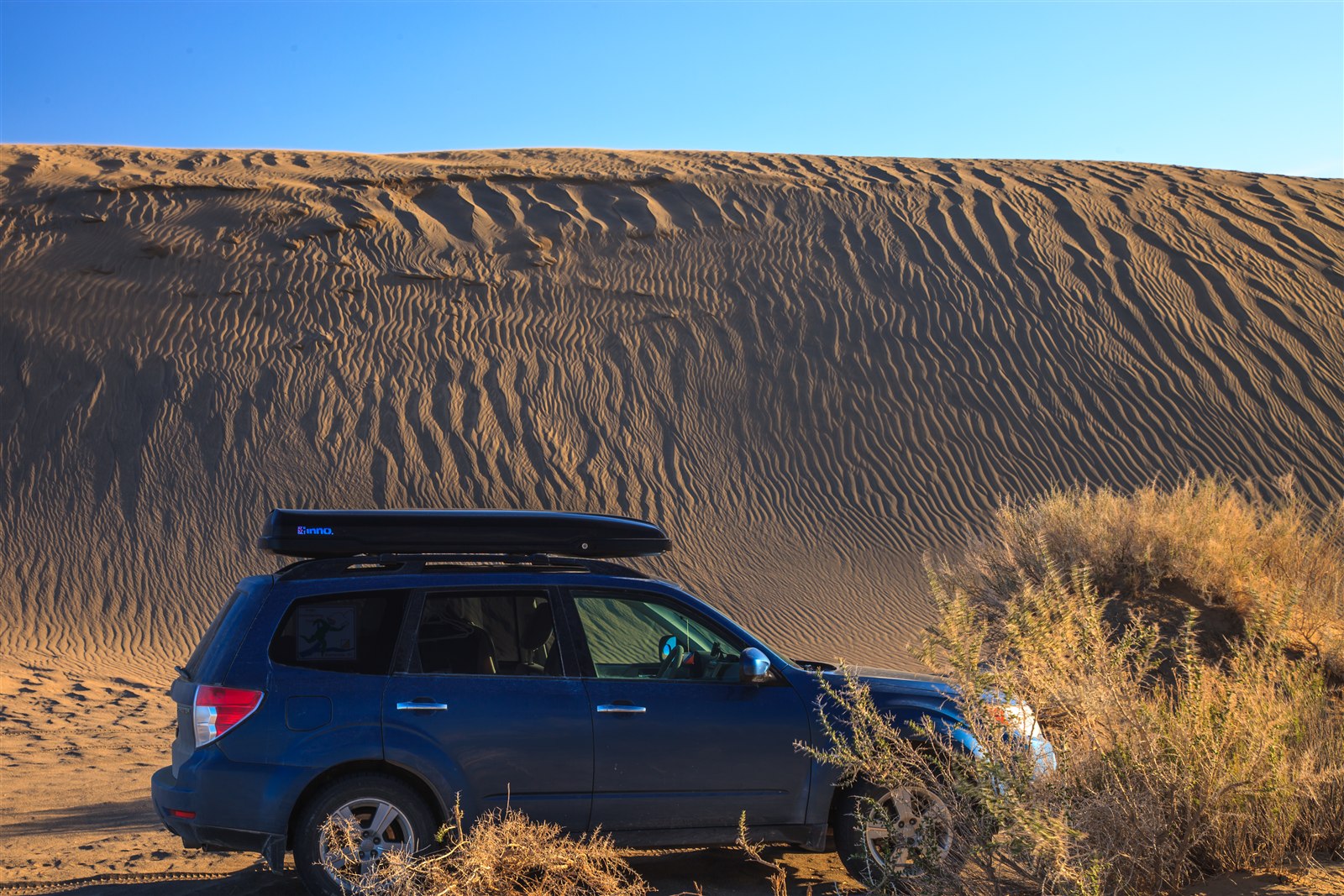
What Size Cargo Box Fits a Forester?

Written by

in

Disclosure: This article contains affiliate links. I may earn a commission at no extra cost to you.

Many Forester owners eventually need more space for road trips, camping gear, and family travel.

Fortunately, the Forester works well with a wide range of cargo box sizes. The key is choosing one that fits your needs without adding unnecessary bulk.

For most owners, fitment and usability matter more than maximum capacity.

Why The Forester Works Well With Cargo Boxes

More Cargo Space Doesn’t Eliminate The Need For A Box

The Forester offers generous interior cargo space, but it can still fill up quickly during vacations and outdoor adventures.

A cargo box provides additional storage without sacrificing passenger comfort or visibility inside the vehicle.

Why Forester Owners Frequently Add Roof Storage

Many Forester owners use their vehicles for road trips, camping, skiing, and family activities.

Adding roof storage makes it easier to carry bulky gear while keeping the cabin organized and comfortable.

Family Travel And Outdoor Gear Add Up Quickly

Suitcases, coolers, strollers, camping gear, and sports equipment can quickly overwhelm even a spacious SUV.

A cargo box helps spread out the load and gives families more flexibility without having to pack the interior to the roof.

Understanding Cargo Box Sizes

Small Cargo Boxes (10-14 Cubic Feet)

Small cargo boxes work well for couples, weekend trips, and overflow storage.

They provide extra room for luggage and outdoor gear while maintaining a compact footprint and minimizing added bulk.

Medium Cargo Boxes (15-17 Cubic Feet)

Medium cargo boxes offer a balance between capacity and everyday usability.

For many Forester owners, this size range provides enough space for family vacations, camping gear, and seasonal equipment without becoming difficult to manage.

Large Cargo Boxes (18-20 Cubic Feet)

Large cargo boxes are popular with families and frequent travelers.

They provide room for multiple suitcases, coolers, strollers, and bulky gear, making them well suited for longer trips and outdoor adventures.

XL Cargo Boxes (21+ Cubic Feet)

XL cargo boxes maximize storage capacity and are best suited for large families and extended travel.

While the Forester can accommodate these larger boxes, fitment and hatch clearance become increasingly important as box size increases.

Size CategoryTypical CapacityBest For
Small10-14 cu ftCouples, weekend trips
Medium15-17 cu ftMost owners
Large18-20 cu ftFamilies, camping
XL21+ cu ftExtended trips, large families

What Size Cargo Box Fits A Forester Best?

Best Size For Most Owners

For most Forester owners, a medium cargo box in the 15-17 cubic foot range offers the best balance of capacity and everyday usability.

It provides plenty of space for vacations, camping gear, and seasonal equipment without becoming overly bulky.

Best Size For Couples

Couples often find that small to medium cargo boxes provide all the extra storage they need.

A box in the 10-17 cubic foot range works well for weekend trips, luggage, and outdoor gear while keeping the setup compact.

Best Size For Families

Families typically benefit from larger boxes in the 18-20 cubic foot range.

The extra capacity helps accommodate strollers, coolers, suitcases, and other bulky items that quickly fill the Forester’s cargo area.

Best Size For Camping Trips

Camping gear can consume space quickly. Medium and large boxes usually provide enough room for tents, sleeping bags, chairs, and other equipment while preserving passenger comfort inside the vehicle.

When An XL Box Makes Sense

XL cargo boxes make the most sense for large families, extended vacations, and owners who regularly carry bulky gear.

While the Forester can accommodate these larger boxes, fitment and hatch clearance become increasingly important as box size increases.

Use CaseRecommended Size
Daily TravelSmall-Medium
CouplesSmall-Medium
FamiliesLarge
Camping TripsMedium-Large
Winter SportsMedium-Large

Bigger Isn’t Always Better

Loading Height And Convenience

Larger cargo boxes offer more storage, but they can also be heavier and harder to load.

For many Forester owners, a slightly smaller box is easier to manage while still providing plenty of capacity.

Garage Clearance

As cargo boxes get larger, overall vehicle height becomes more important.

Owners who regularly use garages or parking decks should consider clearance before choosing the largest box available.

Wind Noise And Fuel Economy

Larger boxes create more aerodynamic drag and can increase wind noise, especially at highway speeds.

While the impact varies, bigger boxes are generally more noticeable during daily driving and long road trips.

Living With A Large Box Year-Round

Many owners leave their cargo boxes installed for months at a time, making everyday usability important.

A large box provides impressive storage, but it also adds height, weight, and bulk. For many Forester owners, choosing a size that matches their typical travel needs results in a more practical setup.

Hatch Clearance Matters More Than Capacity

Why Box Length Matters

Cargo box length often has a bigger impact on usability than overall capacity.

Longer boxes can extend farther over the rear of the Forester, increasing the chances of interfering with the rear hatch when opened.

Crossbar Positioning And Bar Spread

Proper crossbar placement plays a major role in maintaining hatch clearance.

Adjusting bar spread and box position can often solve clearance issues without requiring a smaller box. In many cases, setup flexibility matters more than box size.

Common Fitment Problems

One of the most common mistakes is focusing only on cubic feet and ignoring overall box dimensions.

A box that is too long or mounted too far back can prevent the hatch from fully opening and make loading less convenient.

Why Capacity Numbers Can Be Misleading

Two cargo boxes with similar capacities can have very different dimensions and fitment characteristics.

For most Forester owners, proper fitment, box length, and crossbar positioning matter more than maximizing storage volume.

Cargo Box Size By Forester Generation

2009-2013 Forester

Third-generation Foresters provide enough roof space for a wide range of cargo box sizes.

Most owners find that medium and large boxes offer the best balance of capacity and fitment, while larger boxes may require closer attention to hatch clearance.

2014-2018 Forester

The fourth-generation Forester works well with medium and large cargo boxes for family travel, camping, and road trips.

Many owners find that boxes in the 15-20 cubic foot range provide plenty of storage without compromising usability.

2019-Present Forester

Current-generation Foresters offer excellent flexibility for cargo box setups.

Medium and large boxes work well for most owners, while XL boxes are possible with proper fitment and attention to rear hatch clearance.

Forester Wilderness Considerations

The Forester Wilderness offers the same generous roof dimensions as the standard Forester, but owners should still verify crossbar compatibility and cargo box fitment.

Its increased ride height can make loading slightly more challenging, making overall usability just as important as storage capacity.

Forester vs Outback Cargo Box Sizes

Similar Capacity, Different Roof Length

Both the Forester and Outback can accommodate medium and large cargo boxes, making them excellent choices for family travel and outdoor gear.

For most owners, overall storage capacity is very similar between the two vehicles.

Why The Outback Can Accommodate Longer Boxes

The Outback’s longer roof provides additional flexibility for positioning larger cargo boxes.

This extra length can make hatch clearance easier to achieve and allows the Outback to accommodate some longer and XL-sized boxes more comfortably.

Why Most Forester Owners Don’t Need An XL Box

Most Forester owners find that medium and large boxes provide plenty of storage for road trips, camping gear, and family vacations.

While XL boxes are possible, they often add size and complexity without providing meaningful benefits for typical use.

FeatureForesterOutback
Roof LengthShorterLonger
Large BoxesExcellentExcellent
XL BoxesPossibleEasier
Hatch ClearanceGoodBetter
Best Overall Size15-20 cu ft15-20 cu ft

What Actually Works (Based On Real Use)

Medium And Large Boxes Fit Most Needs

For most Forester owners, medium and large cargo boxes provide the best balance of storage capacity and everyday usability.

They offer enough space for vacations, camping gear, and family travel without becoming unnecessarily bulky.

Families Tend To Appreciate Extra Space

Families often find that extra storage fills up quickly.

Coolers, strollers, luggage, and outdoor gear can consume space fast, making larger boxes a worthwhile upgrade for many owners.

Bigger Boxes Aren’t Always More Practical

Maximum capacity does not automatically mean maximum convenience.

Larger boxes add height, weight, and bulk that many owners simply do not need. Choosing a size that matches your typical travel habits usually results in a more practical setup.

Proper Fitment Matters More Than Cubic Feet

The best cargo box is one that fits the Forester properly and works with your crossbar setup.

For most owners, hatch clearance, box length, and overall usability matter far more than squeezing out a few extra cubic feet of storage.

FAQs

What size cargo box fits a Subaru Forester?

Most Foresters comfortably accommodate cargo boxes in the 15-20 cubic foot range. Proper fitment and hatch clearance matter more than capacity alone.

Is an 18 cubic foot cargo box too big for a Forester?

No. An 18 cubic foot box is a popular choice and works well for many families and road-trip setups.

Can a Forester fit a 21 cubic foot cargo box?

Yes. Many Foresters can accommodate 21+ cubic foot boxes, but fitment and hatch clearance become more important.

Which size is best for a family of four?

For most families, an 18-20 cubic foot box provides a good balance of capacity and practicality.

Does the Forester Wilderness fit larger cargo boxes?

Yes. The Forester Wilderness can support larger boxes with the proper crossbar setup and fitment.

Will a large cargo box affect gas mileage?

Yes. Larger boxes create more aerodynamic drag and may reduce fuel economy, especially at highway speeds.

Can you still open the rear hatch with a large box?

Usually yes, provided the box is properly sized and positioned. Hatch clearance should always be verified during installation.

Is a bigger cargo box worth it?

It can be. Extra space is valuable, but larger boxes also add height, weight, and bulk. Choosing a size that matches your typical needs is usually the better approach.

Do I need aftermarket crossbars for larger cargo boxes?

Not always. Many factory crossbars work well, but larger boxes may benefit from aftermarket systems that offer greater adjustment and positioning flexibility.

Final Thoughts

The best cargo box size depends on your travel habits and storage needs.

For most Forester owners, medium and large boxes offer the best balance of capacity and usability. Fitment and hatch clearance usually matter more than maximum cubic feet.

The goal is choosing a setup that adds storage without adding unnecessary size or complexity.

Recommended products:

Yakima SkyBox 18

Thule Motion 3 XL

Related Guides

What Crossbar Length Do You Need?

Best Crossbars For Kayaks

What Size Cargo Box Fits an Outback?

What Size Cargo Box Fits a Crosstrek?

Comments

Leave a Reply

Your email address will not be published. Required fields are marked *